Introduction
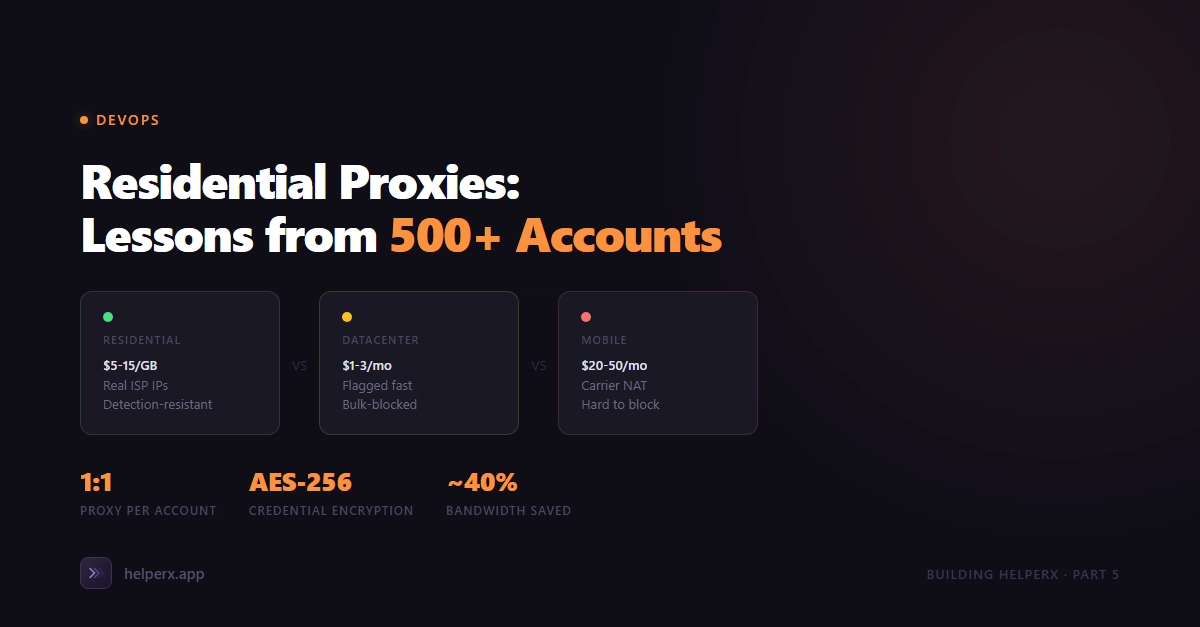
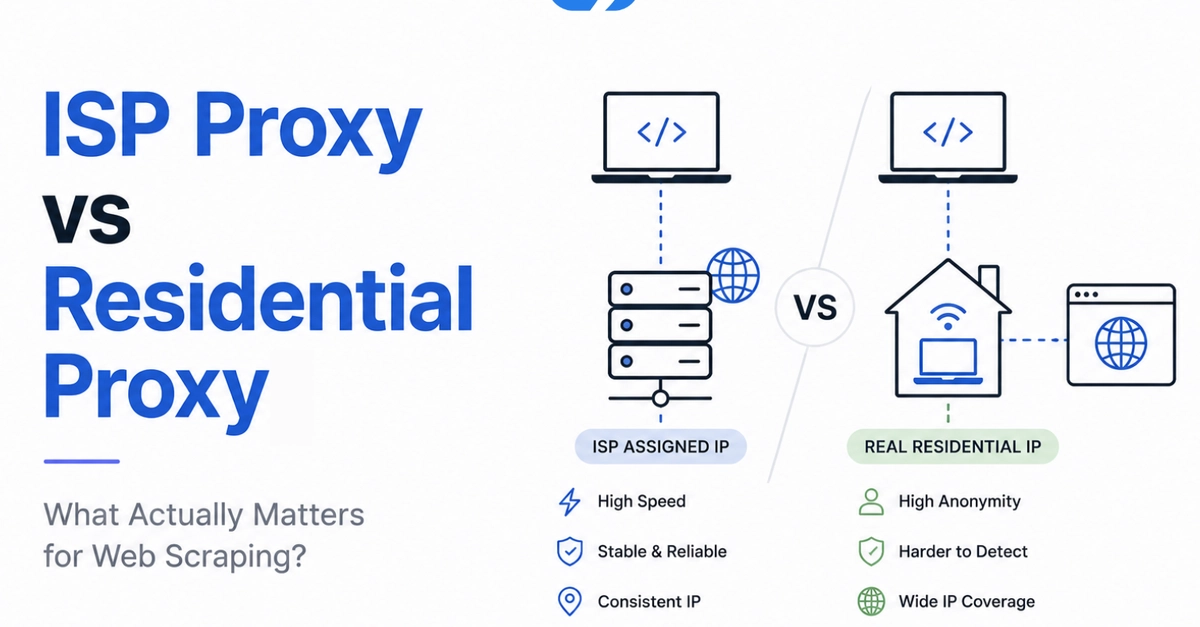
Residential proxy pools have become essential infrastructure for businesses that need to collect data, test applications globally, or access geo-restricted content. Unlike datacenter proxies that route traffic through cloud servers, residential proxies use real IP addresses from residential internet service providers (ISPs). This makes them significantly harder to detect and block—but also more complex and expensive to operate.
If you're considering residential proxies for your business or development work, understanding how they actually work matters. This article breaks down the mechanics, economics, and practical realities of residential proxy infrastructure.
What Are Residential Proxies?
A residential proxy is an intermediary server that forwards your requests using an IP address assigned to a real residential device—typically a computer or mobile phone connected to an ISP. When you send a request through a residential proxy, the target website sees the request coming from an actual home user, not a datacenter.