If you've ever built a scraper that worked perfectly in dev and then got blocked or CAPTCHA'd the moment it hit production traffic volume, you already know why proxy choice matters. This post breaks down residential proxies from a practical, implementation-focused angle: what they are, when to use them vs. alternatives, how to wire them into common tools, and how the major providers stack up.
TL;DR
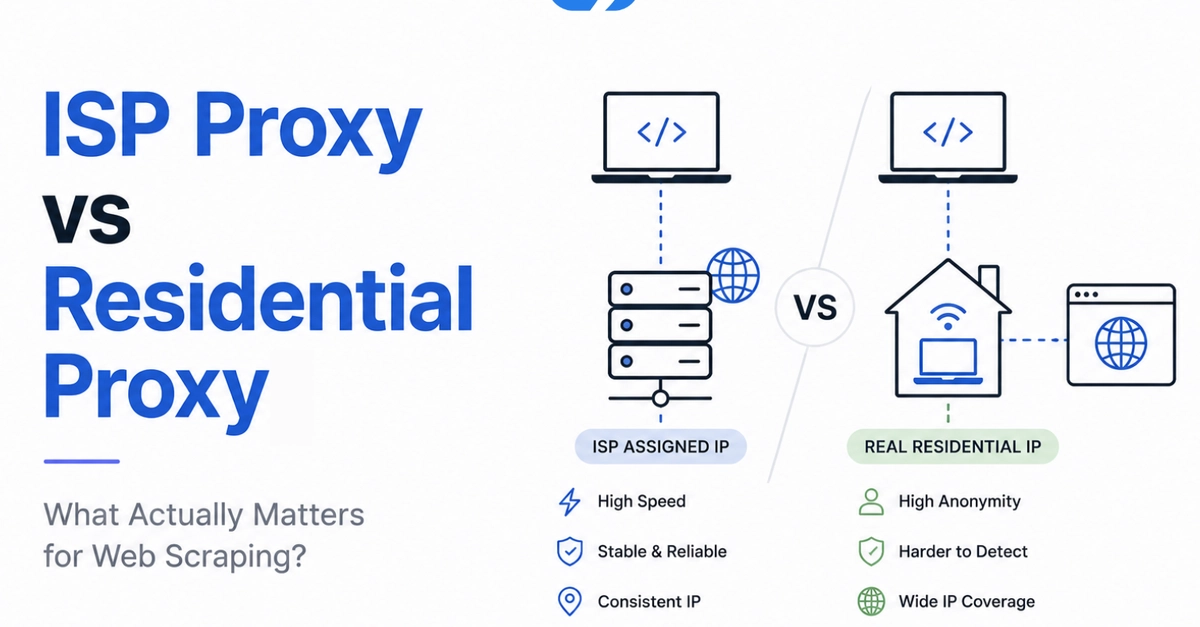
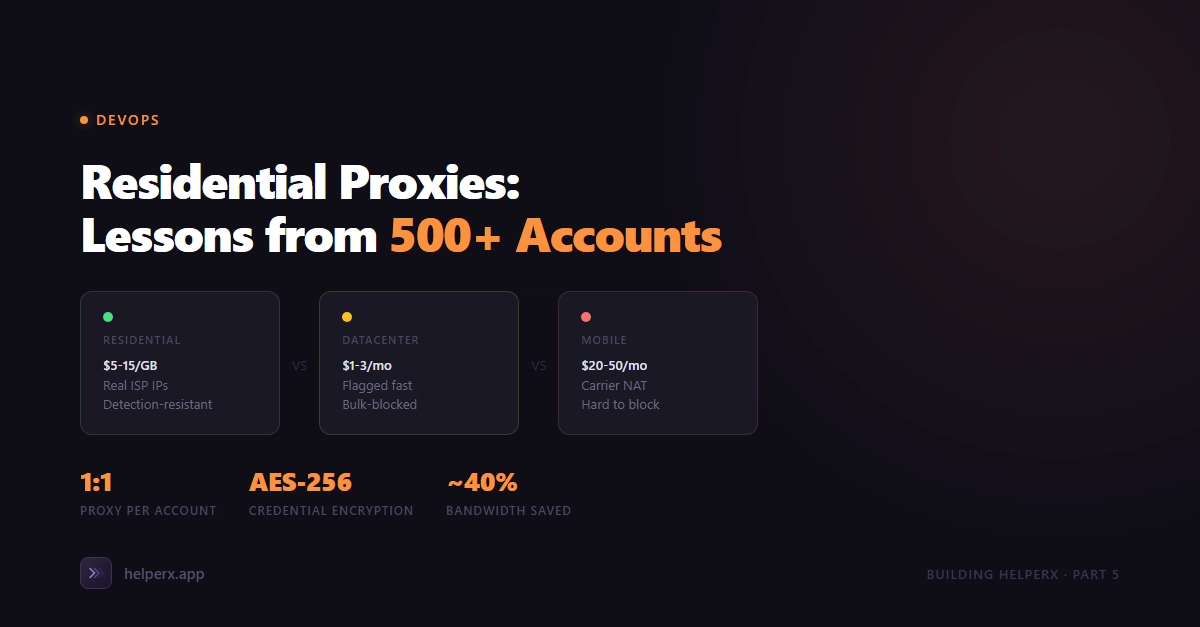
Residential proxies route requests through real ISP-assigned IPs, so they're harder for anti-bot systems to fingerprint than datacenter IPs.
Rotating residential proxies are for scraping/data collection. Sticky sessions (or static ISP proxies) are for anything stateful — logins, checkout flows, long-lived account sessions.
Nstproxy is a good default pick if you want residential, static ISP, and mobile proxies under one API/dashboard instead of juggling multiple vendors for different parts of your stack.