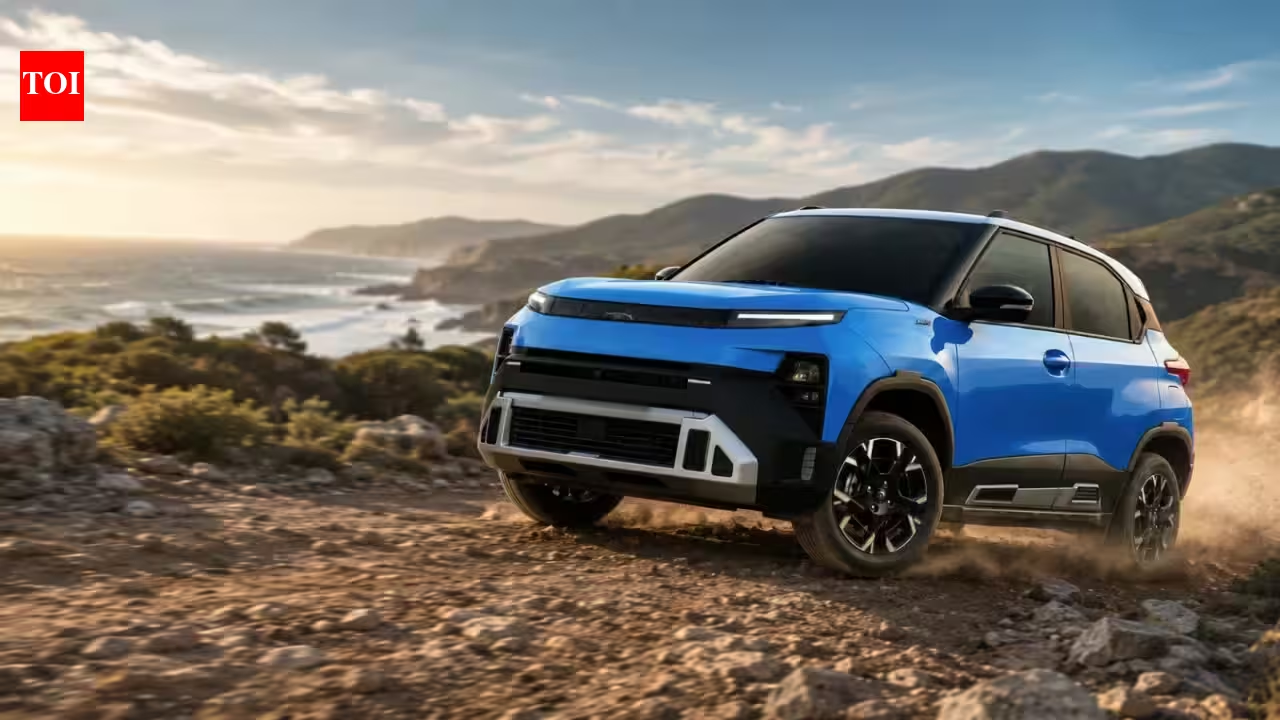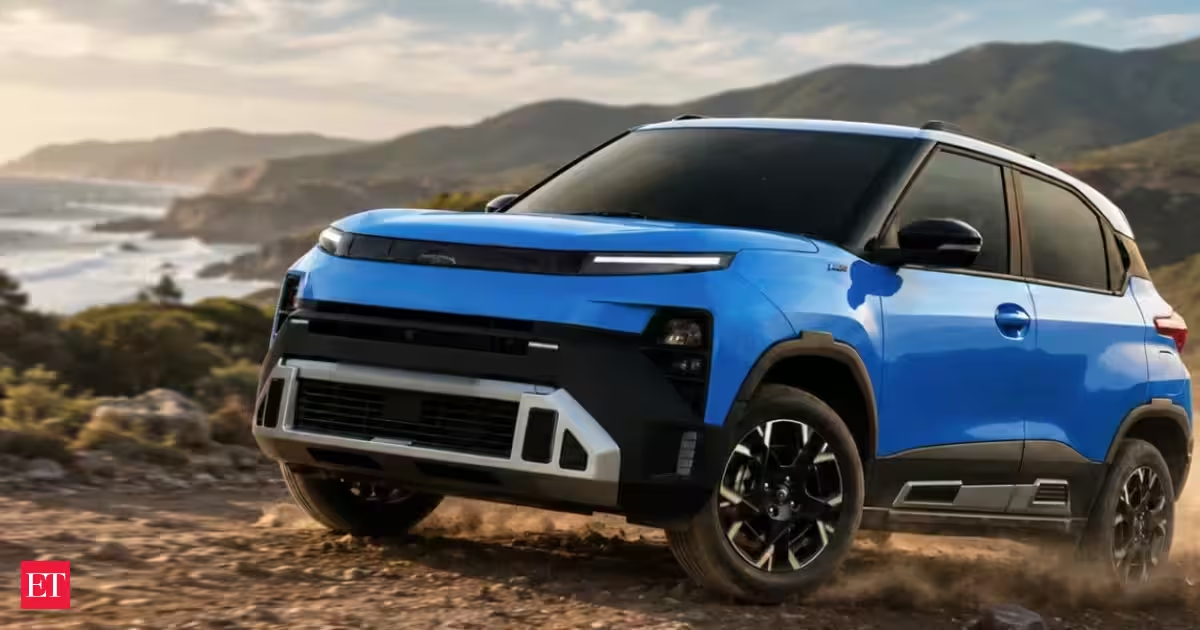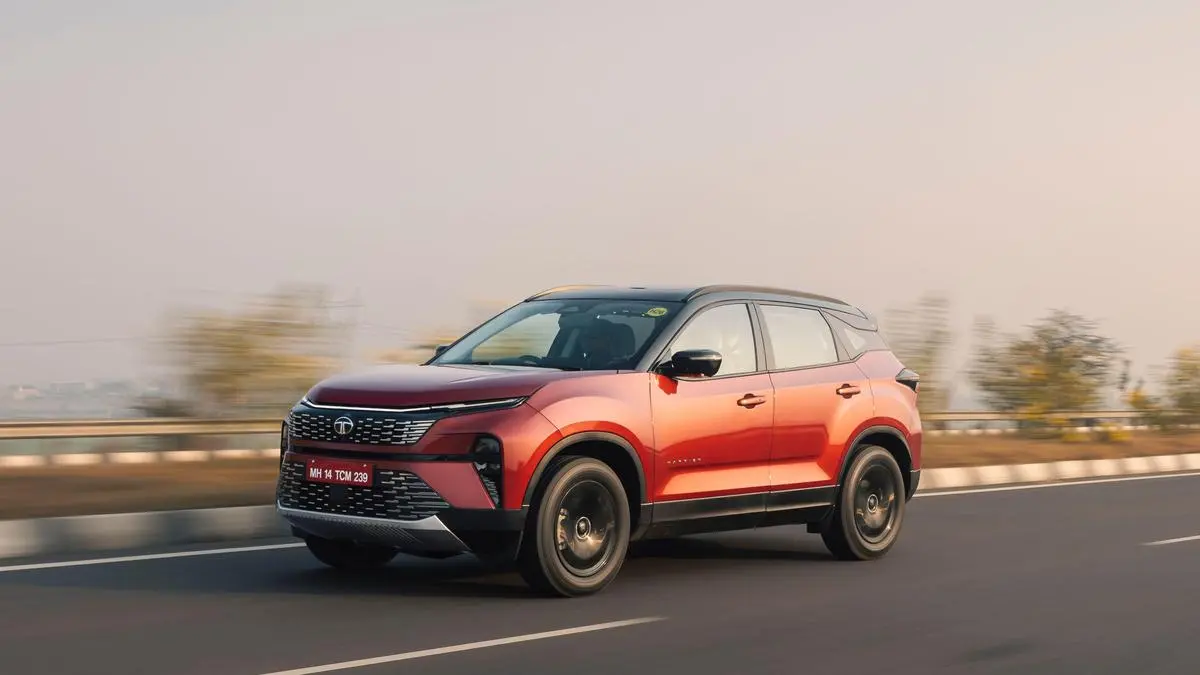
Mahindra’s BE 6 and XEV 9e and Tata Motors’ Harrier EV are bringing large batteries, ADAS, panoramic roofs and premium cabins into the ₹25-35 lakh market.
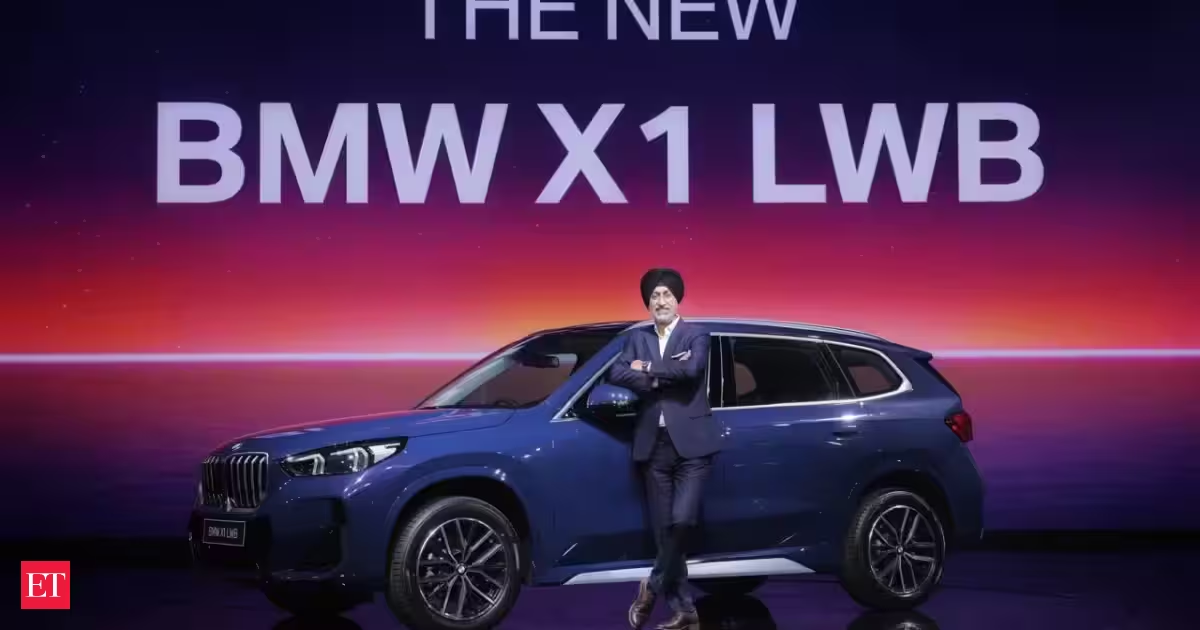
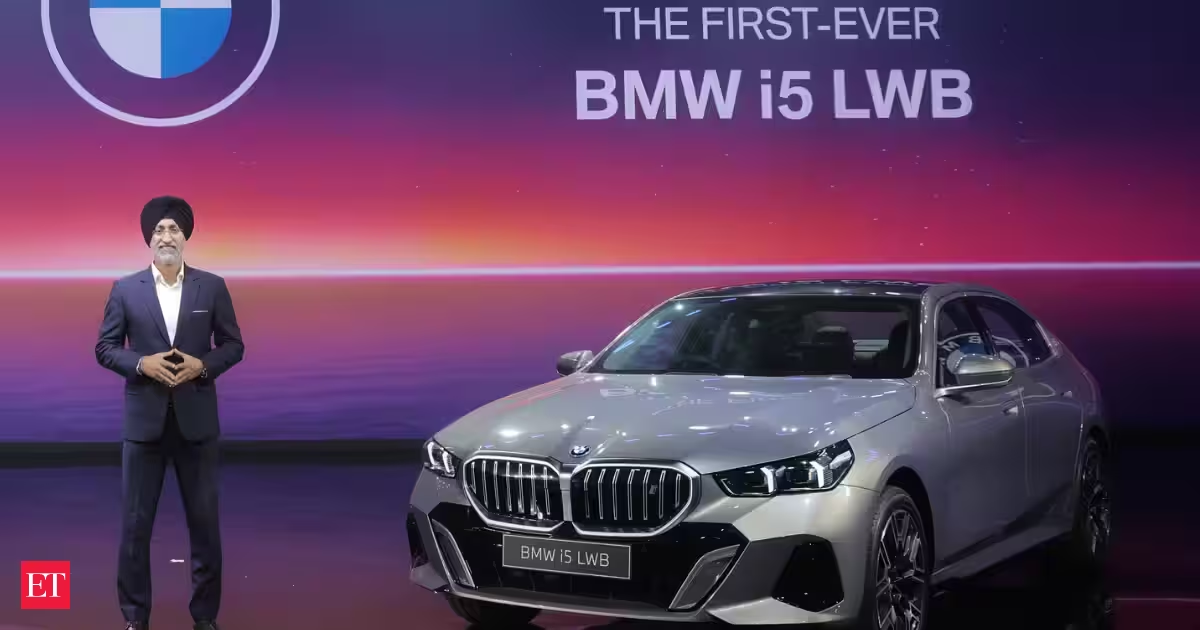
Aruni Mishra already has BMW’s latest 5 Series Long Wheelbase in his garage. For a second car, the Tramontina India chief executive had considered BMW’s electric iX1 a natural choice. Now, a vehicle potentially costing less than half as much has caught his attention.JSW MG Motor later today will unveil a three-row SUV based on its new ADAPT architecture, capable of supporting plug-in hybrid and other electrified powertrains. The PHEV configuration is expected to offer up to 125 km of electric-only running and more than 1,000 km of combined range. With trade estimates putting the vehicle around ₹20-25 lakh, Mishra sees the appeal of EV-like daily running without depending entirely on charging.His choice illustrates one side of a squeeze developing around luxury cars: existing owners shopping for an additional vehicle may increasingly trade down when cheaper alternatives can satisfy a specific everyday requirement, industry experts said.Does the ₹50-lakh entry-luxury buyer want to sit at the wheel or at the back?BMW has pushed its rear-seat strategy below ₹50 lakh with the ₹49.90-lakh X1 Long Wheelbase, while Audi is preparing its third-generation Q3 at an estimated ₹46-52 lakh and Mercedes-Benz’s GLA starts at ₹51.8 lakh. Volvo provides another sub-₹50-lakh route into luxury through the electric EX30, putting four established marques around an increasingly contested gateway.But they are chasing somewhat different buyers. BMW is betting that many first-time luxury customers have reached a professional stage where they have less time or inclination to drive themselves, making rear-seat comfort important.The X1 LWB adds 108 mm to the wheelbase yet costs about ₹1 lakh less than the standard petrol X1. The strategy is gaining traction: LWB models accounted for 52 per cent of BMW India’s H1 2026 sales, rising 24 per cent to 4,428 units.Mercedes and Audi lean more towards the owner-driver: the GLA offers petrol and diesel choices, including a 190 hp all-wheel-drive diesel, while Audi’s forthcoming Q3 is expected with a 204 hp turbo-petrol engine and Quattro. Volvo, meanwhile, is using the EX30’s low-₹40-lakh positioning to offer an electric route into luxury.The squeeze from belowThe bigger structural challenge is what customers can now buy without entering a luxury showroom .BYD’s Sealion 7 Dynamic at ₹41.9 lakh sits ₹8 lakh below the X1 LWB. Mahindra’s BE 6 and XEV 9e and Tata Motors’ Harrier EV are bringing large batteries, ADAS, panoramic roofs and premium cabins into the ₹25-35 lakh market. MG and Kia are widening the choice further.These vehicles are not direct substitutes for German luxury cars. But they are narrowing the hardware gap and creating an opportunity to intercept affluent buyers before they trade up.Luxury marques retain badge equity, refinement, service and ownership experience, while financing programmes such as BMW’s 360° Finance Plan and Mercedes-Benz’s STAR Agility can narrow monthly ownership-cost differences.But the ₹50-lakh gateway is becoming crowded from both directionsIndustry analysts said that BMW, Mercedes-Benz, Audi and Volvo will have to rev harder to defend their turf, while BYD, Mahindra, Tata Motors, JSW MG Motor and Kia in the ₹25-45 lakh market have their clearest opportunity yet to woo buyers who might previously have automatically moved up to a German luxury badge.Published on August 26, 2026