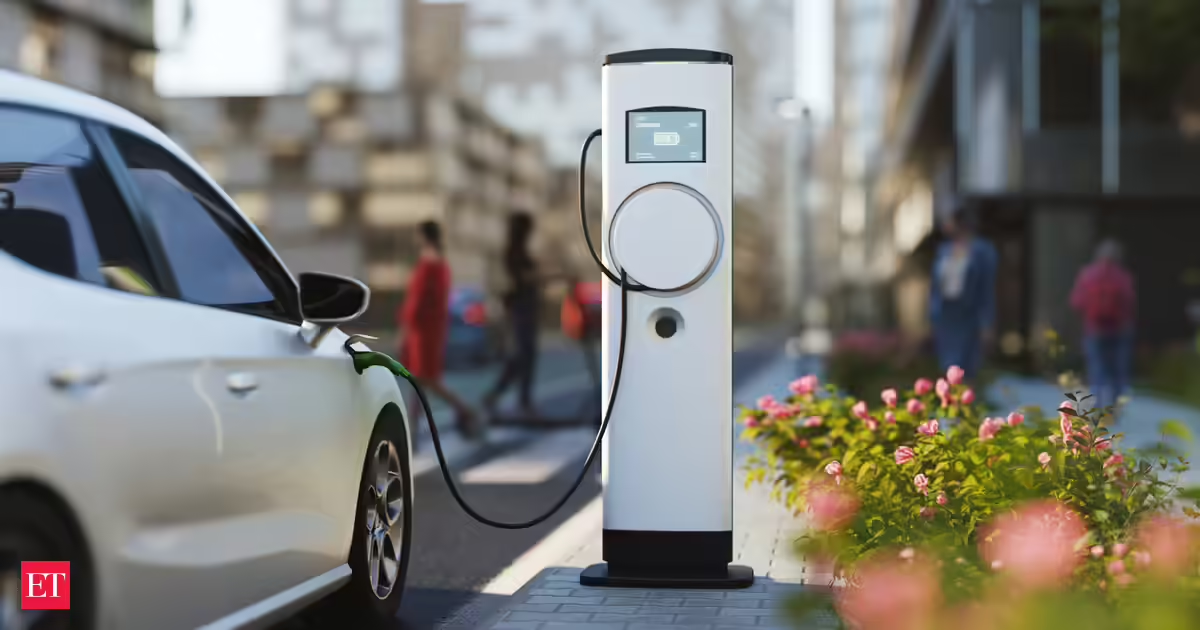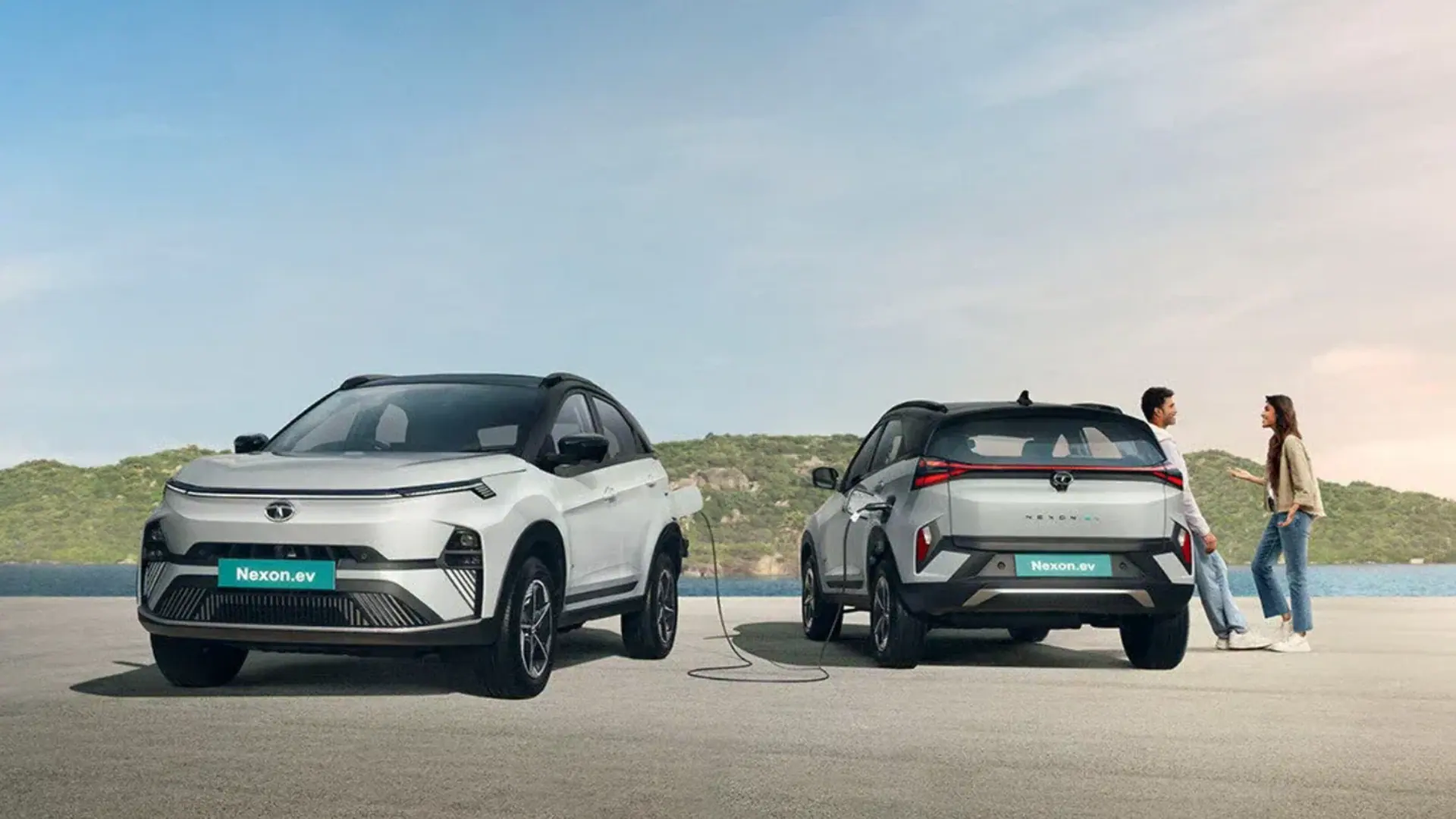
Electrified vehicles are on the verge of overtaking petrol and diesel models in India’s premium car market.Nearly one in two passenger vehicles priced above ₹30 lakh registered this year is a battery electric vehicle, hybrid or plug-in hybrid, signalling a sharp shift in buyer preferences in the country’s most profitable automobile segment.Even as policy and consumer conversations in the mass market remain centred on E20 (ethanol-blended) petrol, fuel efficiency and running costs, premium buyers are increasingly choosing between electrified powertrains rather than simply petrol or diesel.Read more: India's new sugar substitute is gaining popularity, but doctors say real problem isn't sugar, it's the way we eatThe shift is prompting luxury carmakers to redraw product strategies and investment plans for India.According to Jato Dynamics, electrified vehicles accounted for 49.1% of registrations in the ₹30 lakh-plus segment during January-May 2026, up from about one in 10 vehicles three years ago, signalling one of the fastest shifts in buyer preference seen in India’s passenger vehicle market.The wider availability of hybrid and battery electric models, better technology and rising consumer confidence are accelerating the shift. Sustainability & ExperienceBuyers are increasingly weighing performance, refinement, ownership experience and sustainability, rather than simply choosing between petrol and diesel. For premium carmakers, the shift is reshaping purchase decisions, with technology and total ownership costs emerging as key differentiators.“Consumer preference for a powertrain depends on the latest technology and the total cost of ownership,” said Santosh Iyer, managing director and CEO, Mercedes-Benz India.“Customers are doing the math, and if the total cost of ownership is lower than an internal combustion engine vehicle, they are willing to look beyond traditional ICE (internal combustion engine) technologies,” he addedElectric vehicles now contribute about 14% of Mercedes-Benz India’s sales, roughly double their share until recently. Iyer said charging infrastructure and lower residual values remain the biggest hurdles to faster EV adoption.Volvo Car India is also witnessing a change in buying behaviour.“Earlier an EV would be a second or third car in a household. Today, we are seeing a remarkable shift where a luxury EV is proudly chosen as the primary, and often the only, vehicle in the household,” said Jyoti Malhotra, managing director, Volvo Car India.Buyer confidence risingImproved battery technology and longer driving ranges have boosted buyer confidence, while digital features, sustainability and the ownership experience are becoming key purchase drivers, he said. “The conversation has shifted from ‘Should I buy an EV?’ to ‘Which EV should I buy?’.”The shift reflects a broader change in the mindset of premium buyers, said Ravi Bhatia, president, Jato Dynamics India. “Premium buyers are no longer simply choosing between petrol and diesel. They are evaluating multiple propulsion technologies based on performance, refinement, ownership experience and sustainability. That represents a fundamental shift in the market.”Numbers speak for themselves in the first half of the year for BMW India too. “ We sold 78% more EVs as compared to the same period last year. The share of EVs which was 21% last year, jumped to 26% in the first half,” said the CEO Hardeep Singh Brar.The shift is reshaping product strategies. Carmakers are expanding portfolios across hybrids, plug-in hybrids and battery electric vehicles instead of backing a single technology as India increasingly mirrors global trends, said Bhatia.
Premium car buyers drive EV, hybrid shift as high-margin segment goes electric
Electrified vehicles are now nearly half of new premium car registrations. This significant shift reflects changing buyer preferences in India's luxury market. Buyers now consider performance, sustainability, and ownership costs over traditional fuels. Carmakers are adapting product strategies to meet this growing demand for electrified options. Improved technology and consumer confidence are accelerating this transition in the market.
538 words~2 min read