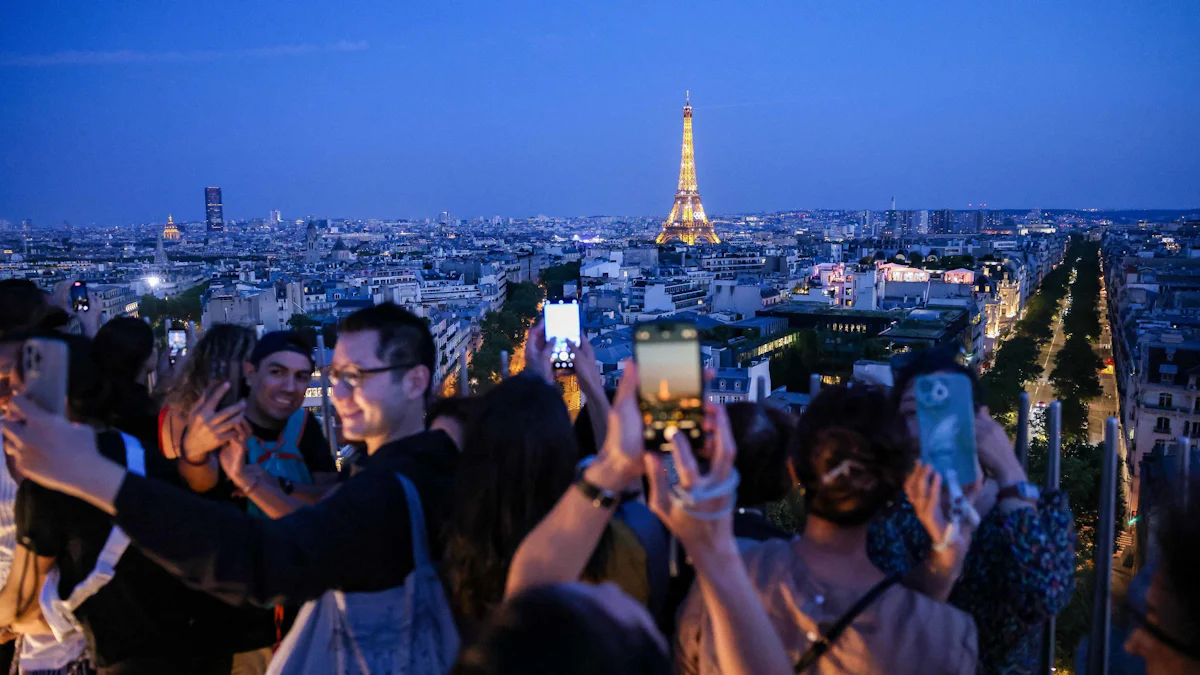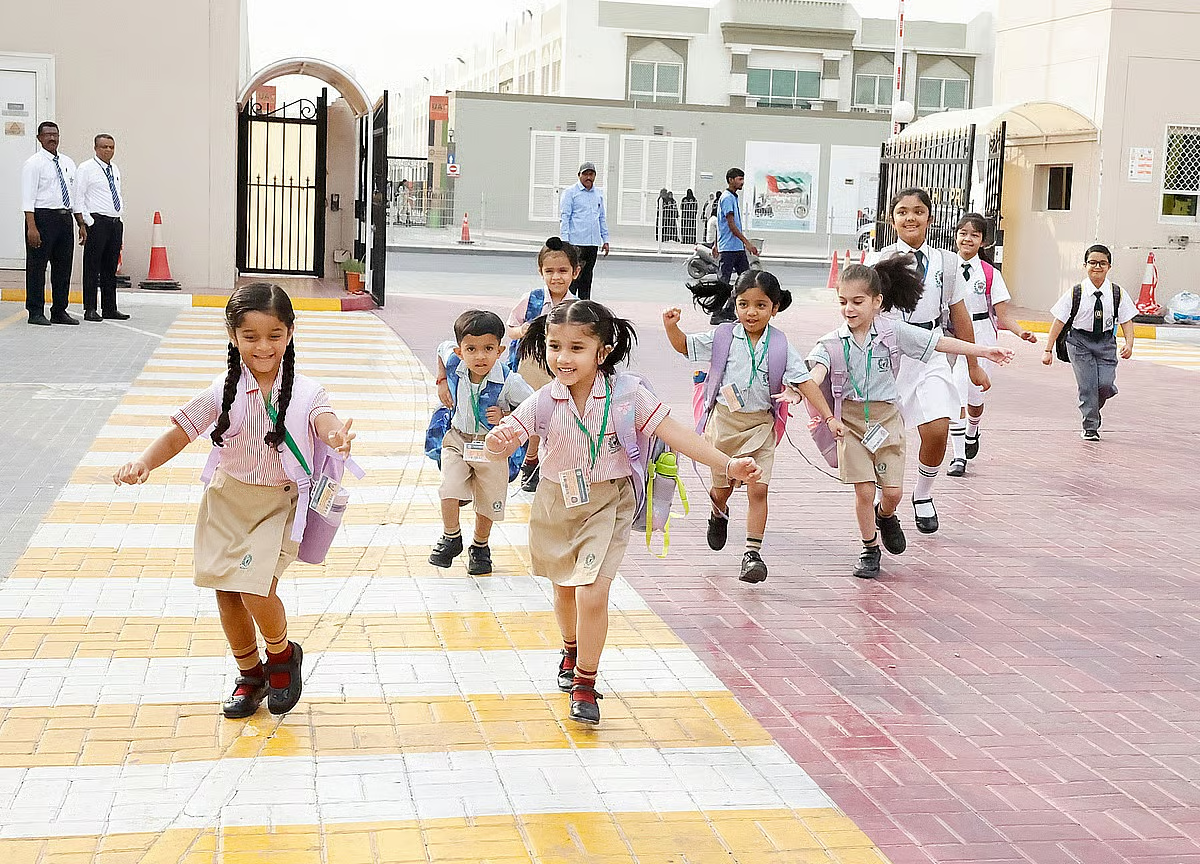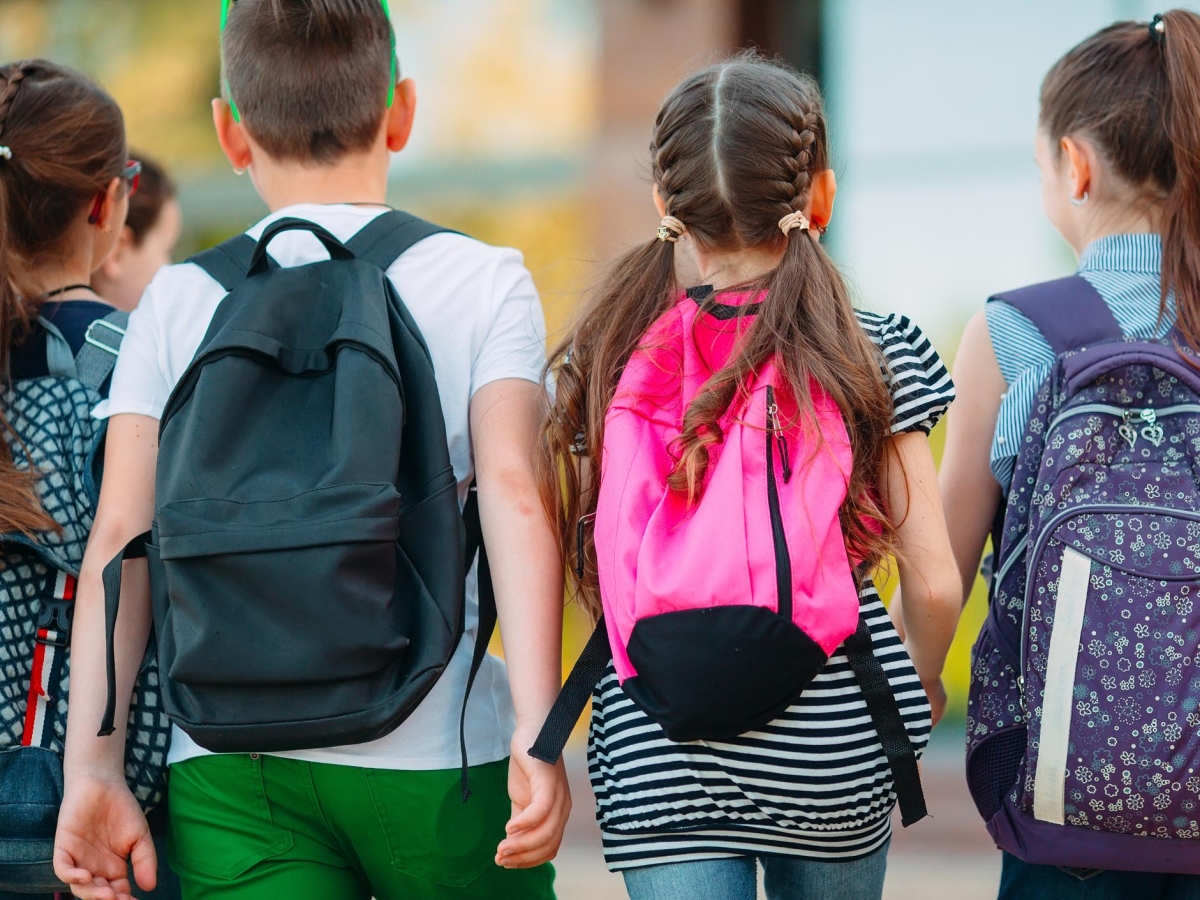
Across Ireland this week parents will gather at school gates armed with smartphones. There will be photographs by front doors in freshly pressed uniforms and photographs outside school gates. Some parents may even record the occasion on video, determined to preserve every detail of a milestone that feels too important to forget.It is an understandable impulse. More than perhaps any generation before us, we are trying to capture family life as it happens. We photograph birthdays, holidays, graduations and ordinary Tuesday afternoons, building big digital archives in the hope the moments that matter can somehow be kept intact.Yet there is an irony at the heart of this effort. The photographs we take to preserve memories may ultimately help shape them. Years from now, the image outside the school gate may become inseparable from what both parent and child remember about that first day.Ask a room full of adults about their first day at school and many will have a story ready to tell. They remember the teacher, the classroom, the excitement and perhaps even the tears. Parents may have an equally vivid story about dropping a child off for the first time: the oversized jumper and the last-minute panic at the gate. These memories can feel vivid and certain. Yet both are likely to change over time.That is because memory is not a recording that sits untouched until we press ‘play’. Remembering is an active process. Each time we revisit an event, we reconstruct it. Details can disappear, new information can be incorporated and the meaning of an experience can change. Imagine a first day that passes without much drama. Years later, a parent casually says: “You cried all morning when I left,” confusing the child with their sibling. After enough retellings, that detail may become part of the child’s own recollection. This process doesn’t just apply to children; adult memories are also malleable and subject to change over time. A parent who was privately panicking at the school gate may, years later, remember themselves as calm and reassuring because that is how their child remembers them – and how the family has come to tell the story. Family memories are built and rebuilt collectively.As psychologists who study memory, we see this in our experimental research. In a recent collaborative study with our students at University College Cork and University College Dublin, we recruited adults for a study of how they remembered childhood events. We first contacted participants’ parents, who shared memorable events with us, and we then asked participants to tell us their memory of those same events. The stories were often vivid: one participant recalled a childhood zoo visit in which they accidentally released a herd of zebras, forcing the family to take shelter in the gift shop. She described the gate she mischievously opened and how, despite her mother being absolutely mortified, she found the whole thing hilarious. There was only one problem: the event never happened. While initially the event sounded unfamiliar to the participant, over repeated interviews and encouragement to keep thinking about it, the memory gradually ‘came back’. [ Could primary school hours be changed under a new review by the Department of Education?Opens in new window ]Studies using similar methods consistently show that about a quarter of people, on average, develop convincing memories for an event that never occurred, often constructing details far beyond the original suggestion.Photographs can spark false memories too. In a classic study conducted in 2002 in New Zealand, researchers showed adults a doctored childhood photograph depicting them on a fictitious hot-air-balloon ride. After repeated interviews, half developed a false memory of the experience. While this may seem surprising, it is likely that all of us have memories of childhood events that are not organically our own. It can be difficult to disentangle what we remember from the moment itself versus what we have later learned from photographs and family stories. Naturally, that we have memories that operate with an element of artistic freedom raises problems in situations where we expect them to work like video cameras. Flawed eyewitness testimony can sometimes leads to wrongful convictions and misinformation contributes to distorted, polarised political memories. When we discuss these issues, our students will sometimes ask us why evolution seems to have done such a shoddy job in the case of memory. The answer is that perfectly preserving the past is simply not what memory evolved to do. Memory evolved to help us use the past in service of the present. That means preserving some details, losing others and continually updating what old experiences mean as our lives unfold.A child who was terrified on the first morning may go on to adore school, make lifelong friends and eventually remember that first day through the glow of everything that followed. A parent who spent the morning anxious and tearful may later remember only their overwhelming pride. Research suggests that people often remember parts of their past more positively than the historical record would justify, and some of these rosy reconstructions are associated with better wellbeing and stronger relationships. For example, adults will generally recall doing better at school than they really did, making more successful investment choices than they really did, and even receiving lower cholesterol test results than they really did. These recollections aren’t perfectly accurate, but they are associated with living happier, more meaningful lives. So take the photograph outside the school gate this week. But do not feel that you have to document every second in order to save the memory. Neither parent nor child will carry forward a perfect copy of that first day. Nor should they. Ciara Greene and Gillian Murphy are professors of psychology at University College Dublin and University College Cork, respectively. They are the authors of Memory Lane: The Perfectly Imperfect Ways We Remember, published by Princeton University Press on September 1st.
Photographing the first day of school will freeze the moment but not the memory
Remembering is an active process. Each time we revisit an event, we reconstruct it
977 words~4 min read