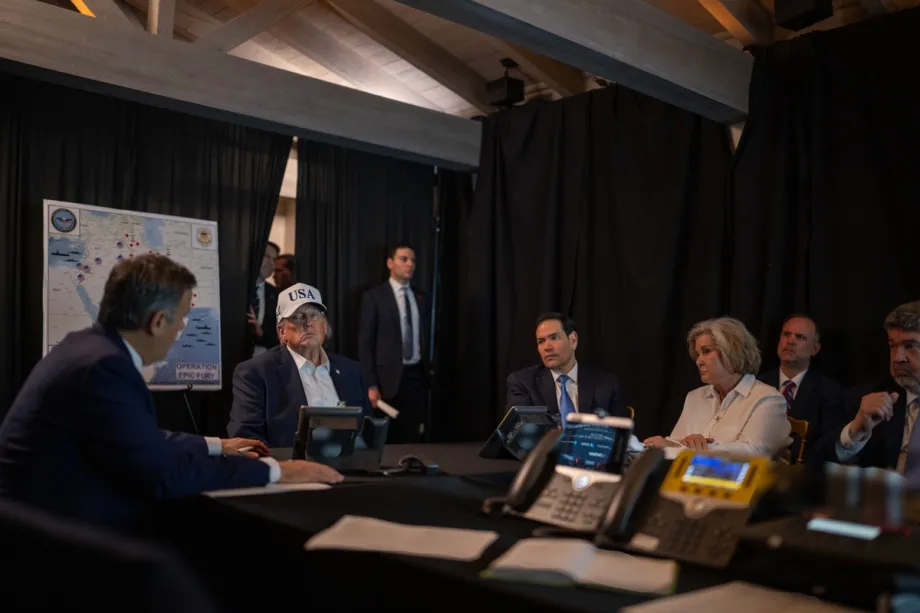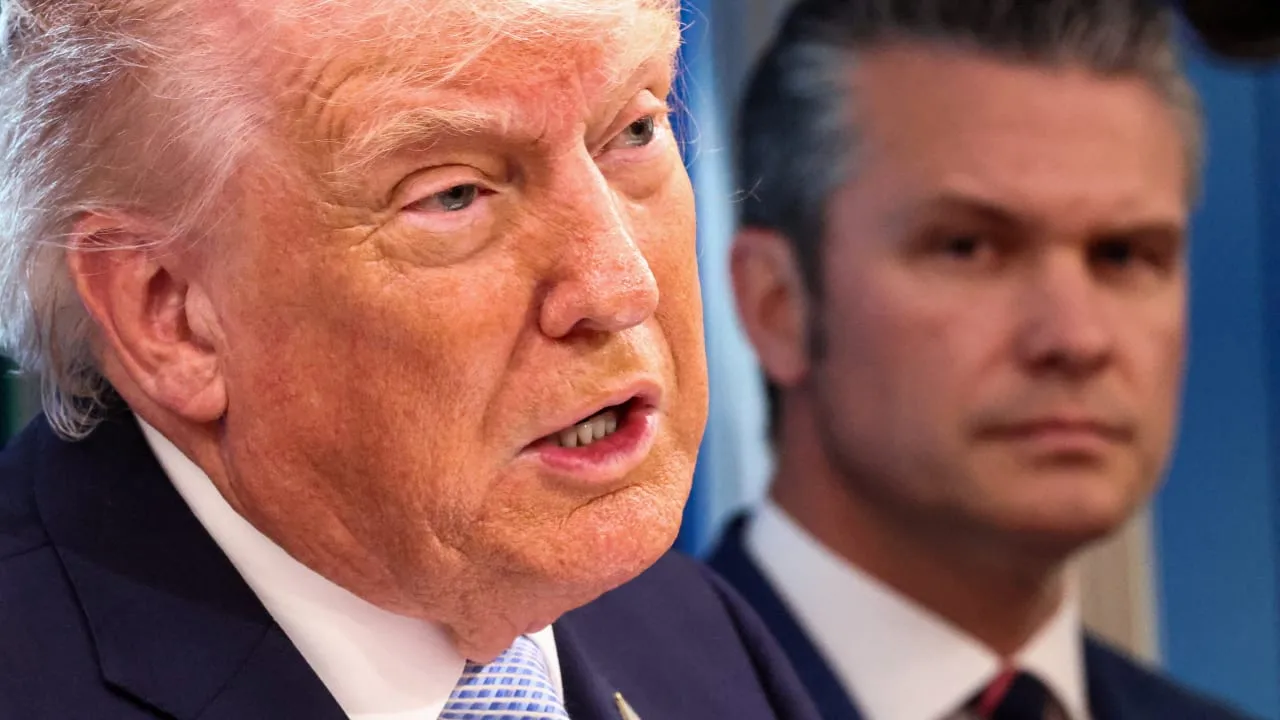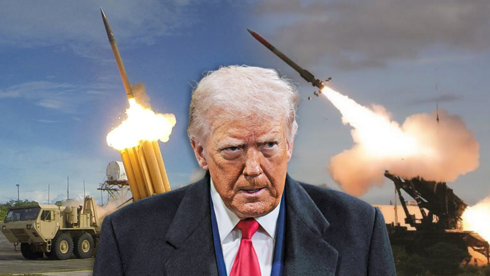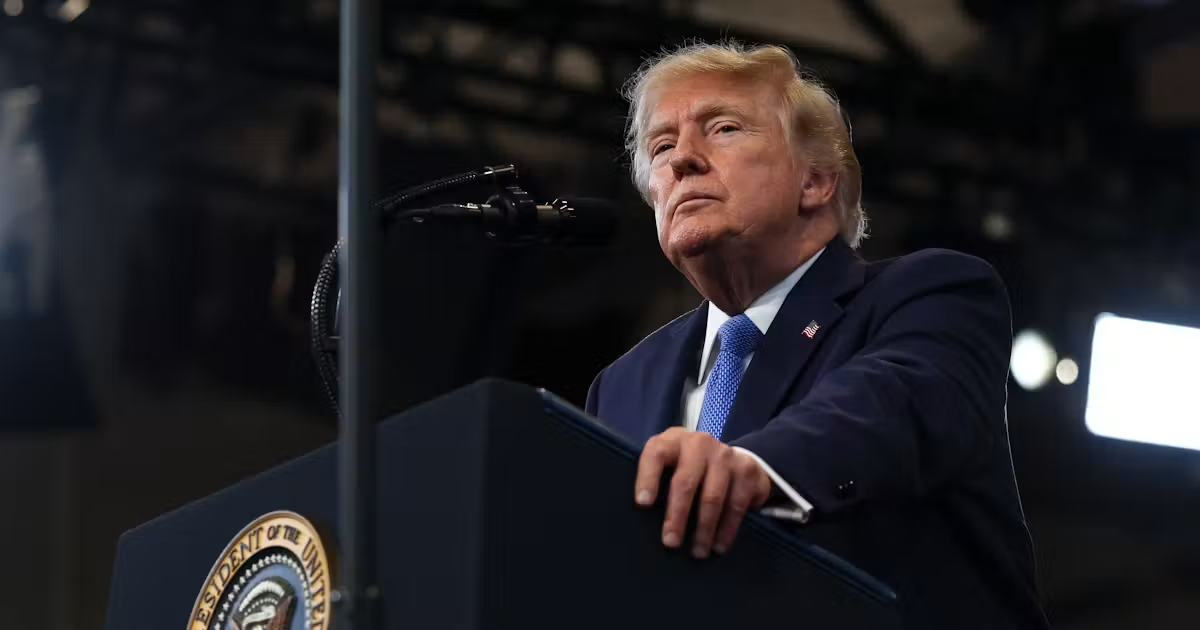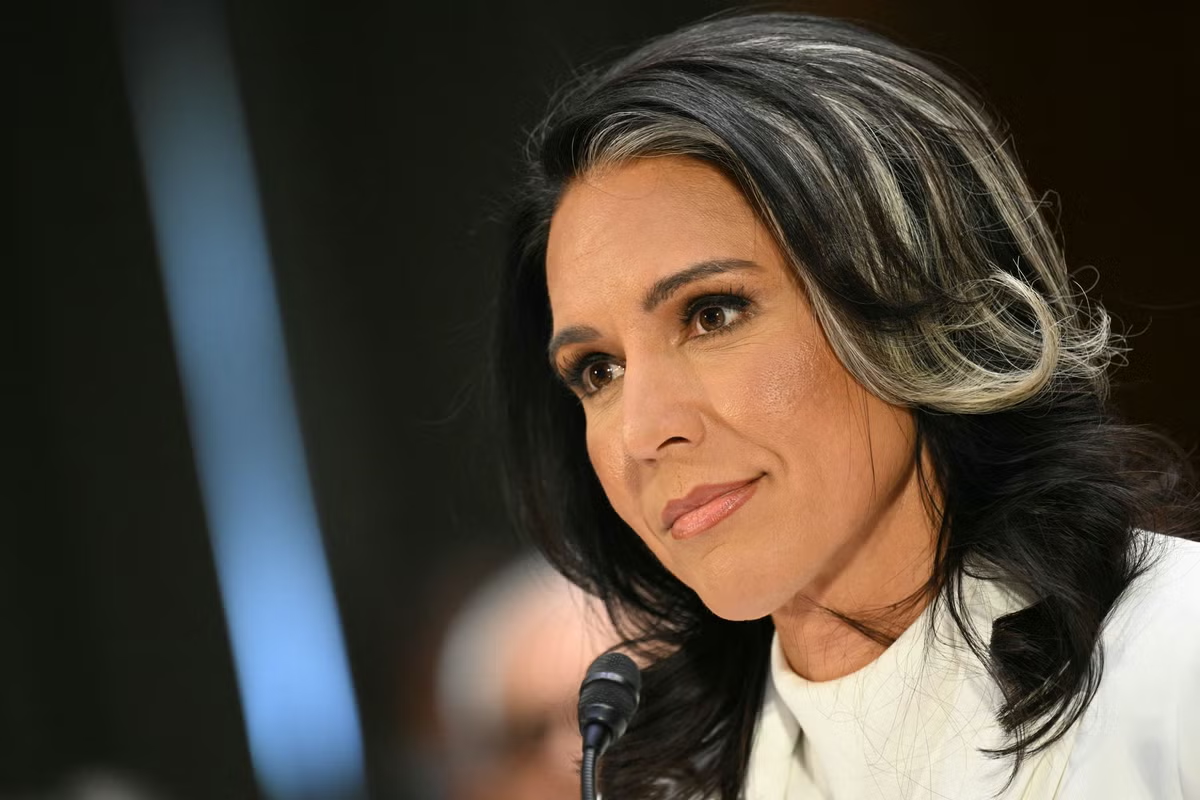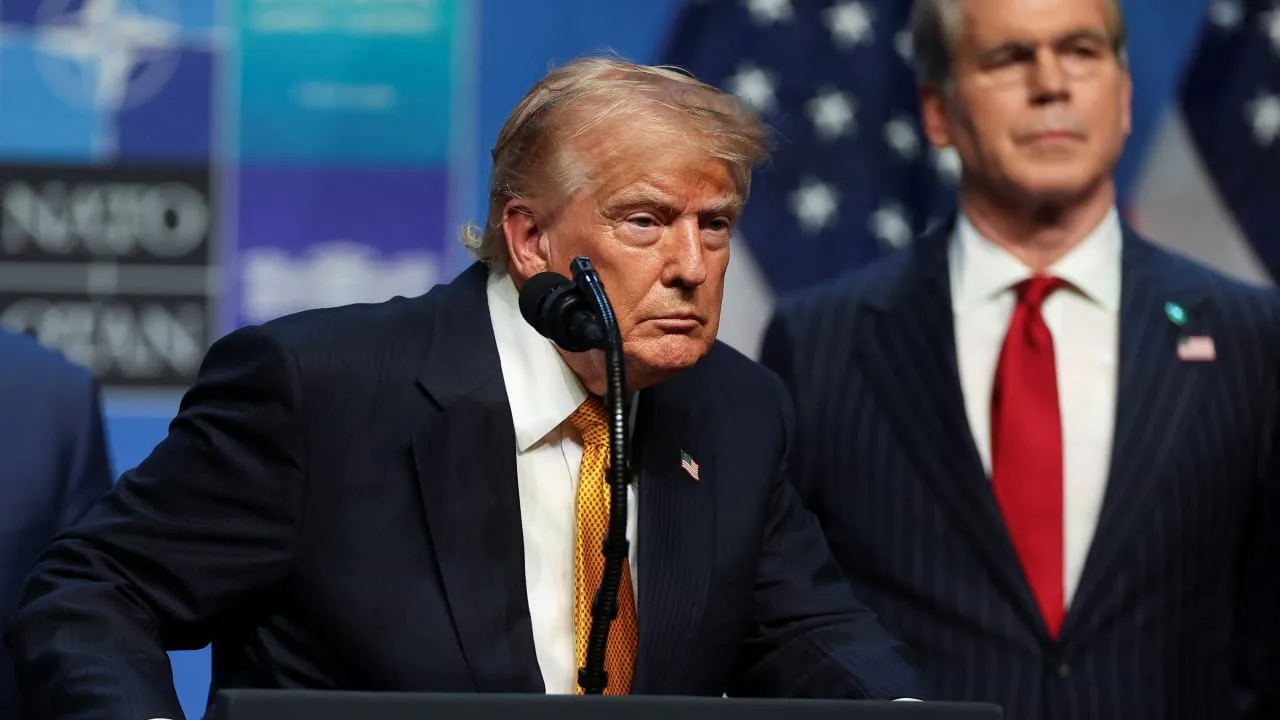
US intelligence and military officials warned President Donald Trump in the days before the February war with Iran that a large-scale attack could trigger many of the consequences Washington has since struggled to contain, according to a Wall Street Journal report.For all the latest headlines, follow our Google News channel online or via the app.Days before strikes began on February 28, Trump summoned then-Director of National Intelligence Tulsi Gabbard to the Oval Office and asked whether launching an all-out assault on Iran was a good idea, the WSJ reported on Monday.Gabbard reportedly presented assessments from US intelligence agencies warning that killing Iran’s supreme leader could produce a more hardline government that might be even more willing to pursue nuclear weapons, the WSJ reported, citing people familiar with the meeting.She also warned that Tehran would likely move quickly to close the Strait of Hormuz, disrupting global energy markets, and retaliate against US forces and Washington’s regional partners.Senior military officials separately cautioned that a wider conflict could result in American casualties, place additional pressure on already stretched US forces and expose concerns over weapons stockpiles and military readiness.Vice President JD Vance was also among those advocating a more cautious approach, according to the report. He argued that Washington should first test whether Iran could be pushed into dismantling its nuclear program through negotiations, particularly as its economy was already under pressure from US sanctions. A failed diplomatic effort, he argued, could strengthen the case for military action later.Trump ultimately sided with officials presenting what were described as decisive military options and ordered the attack.Nearly six months later, several of the risks raised before the conflict have materialized. Iran has disrupted commercial shipping through the Strait of Hormuz, US bases have been damaged and American munitions stockpiles have come under pressure.The conflict has also caused US casualties and shaken global energy markets, while efforts to secure a lasting nuclear agreement have repeatedly stalled.The Wall Street Journal said Trump dismissed many of the prewar concerns at the time, expressing confidence that the US military could deal with complications as they emerged.
US intelligence warned Trump of Hormuz closure, wider regional fallout before Iran war
US intelligence and military officials warned President Donald Trump in the days before the February war with Iran that a large-scale attack could trigger
347 words~2 min read