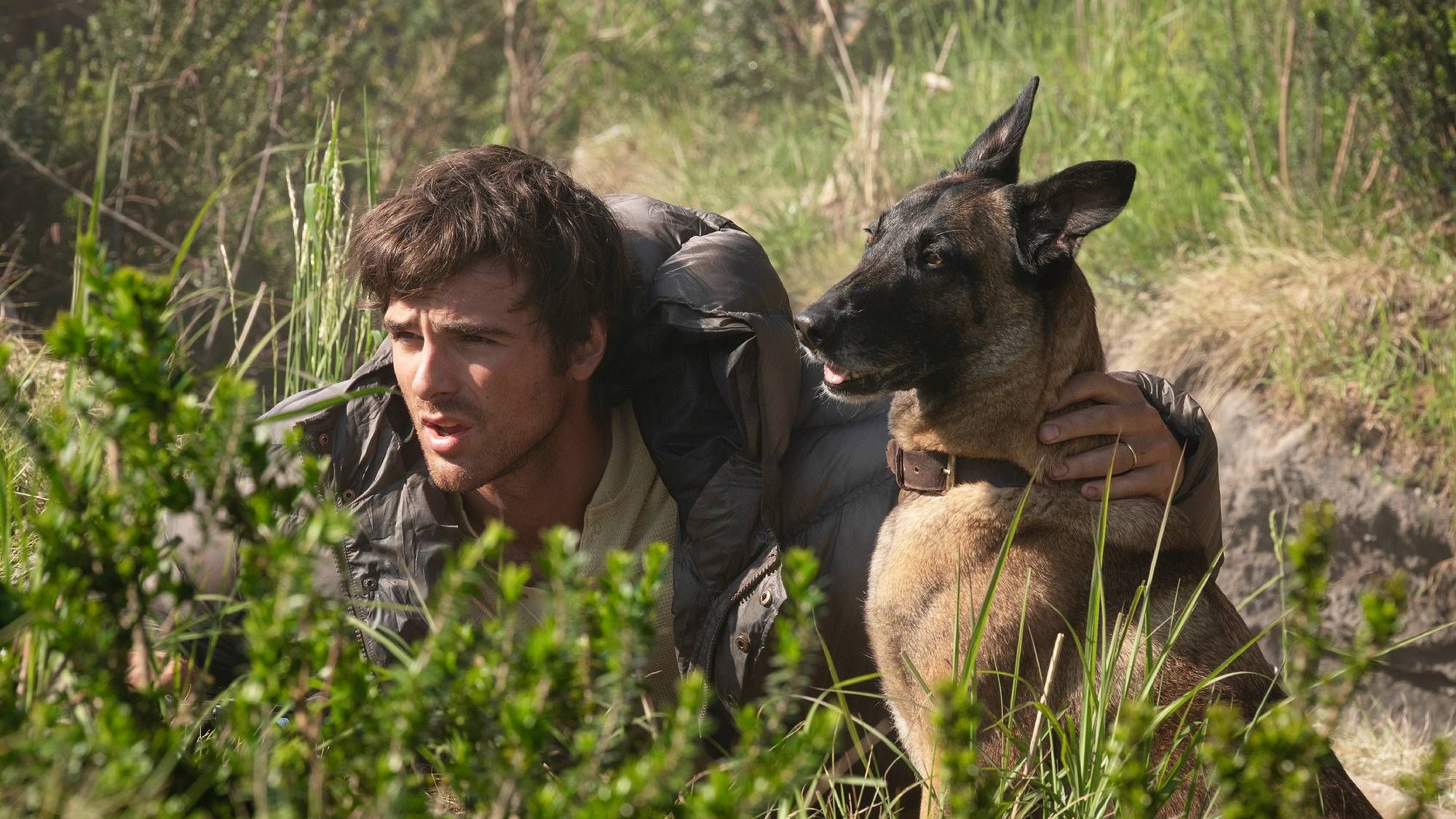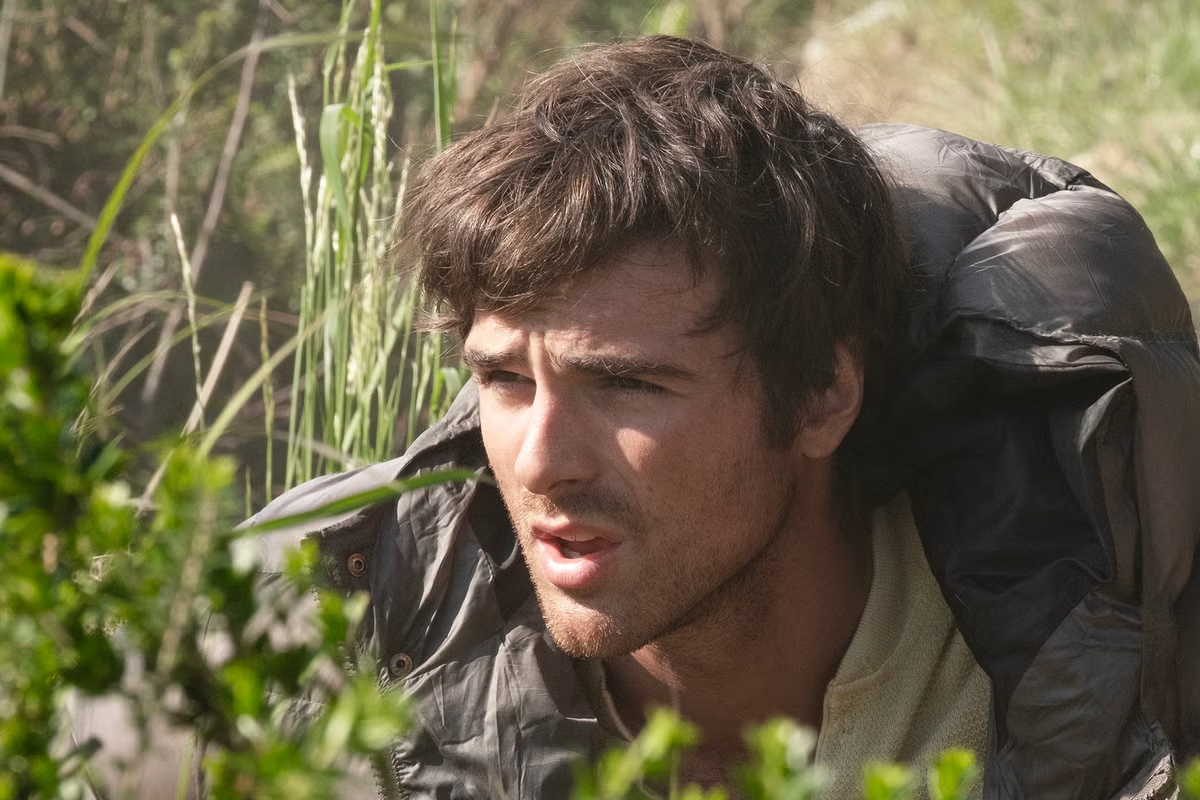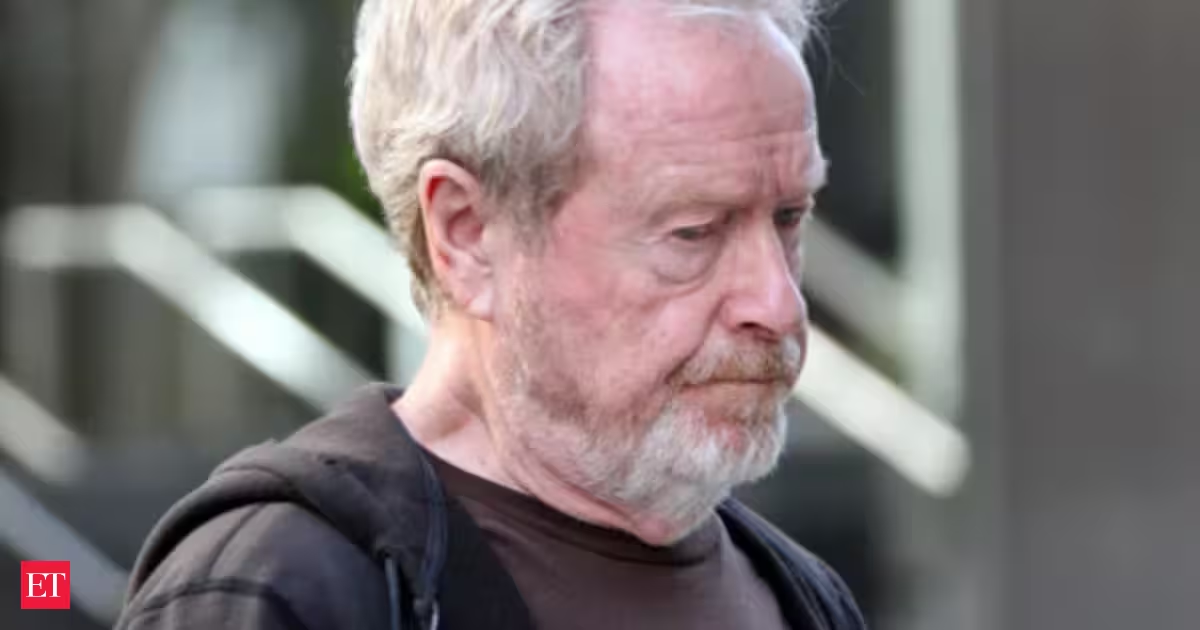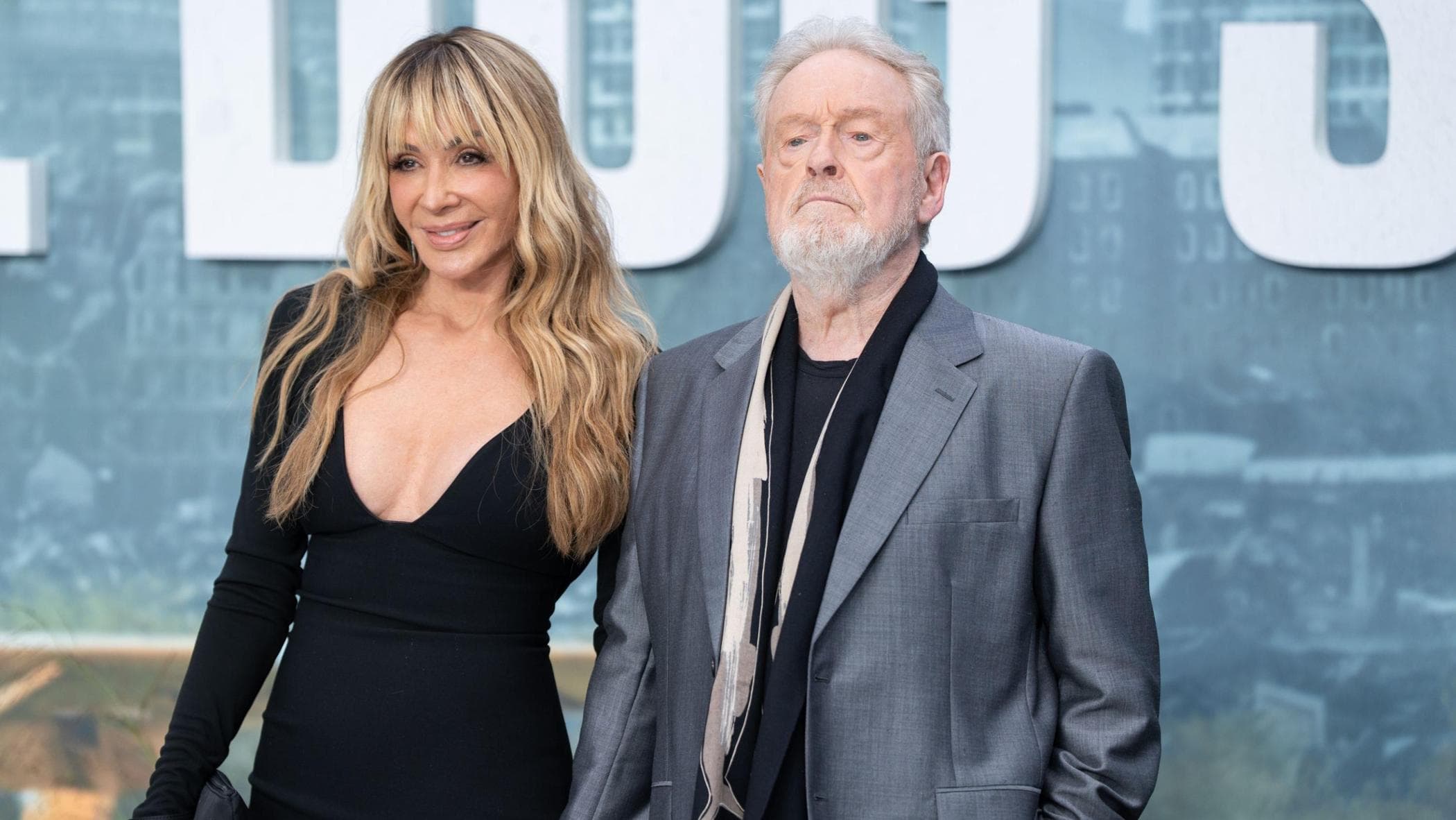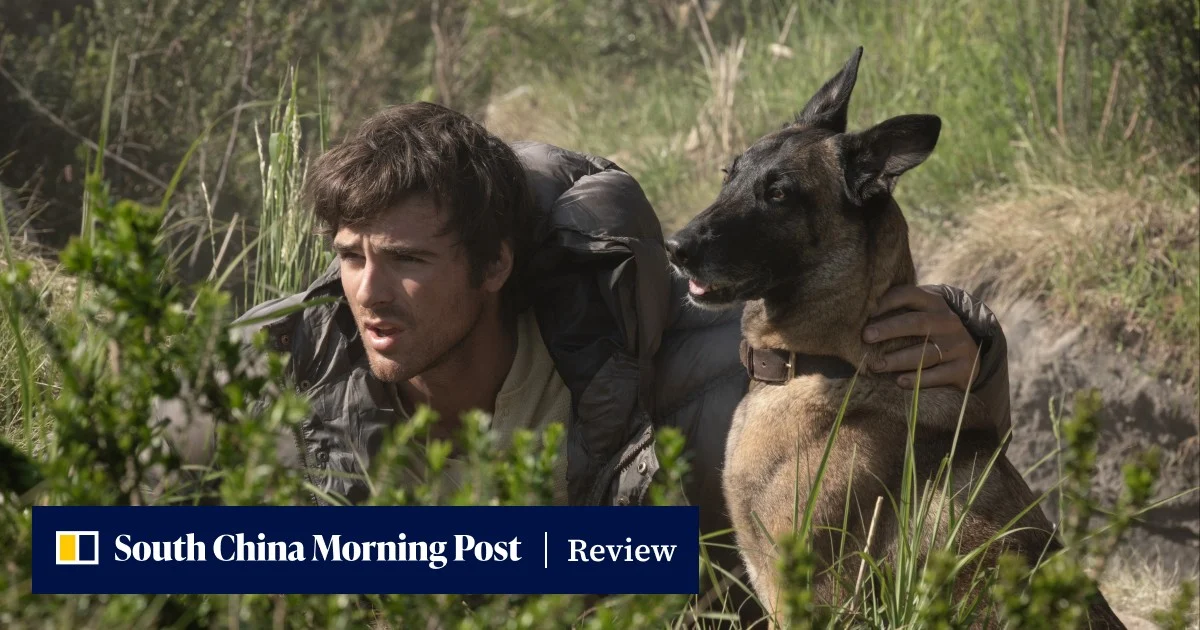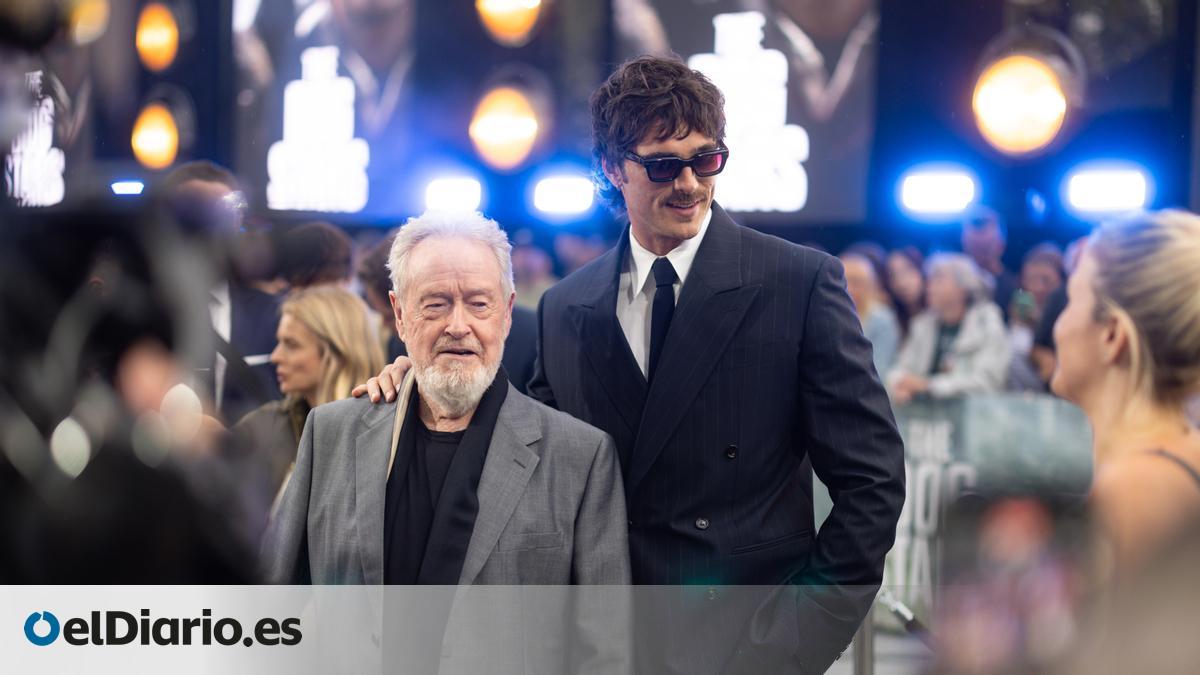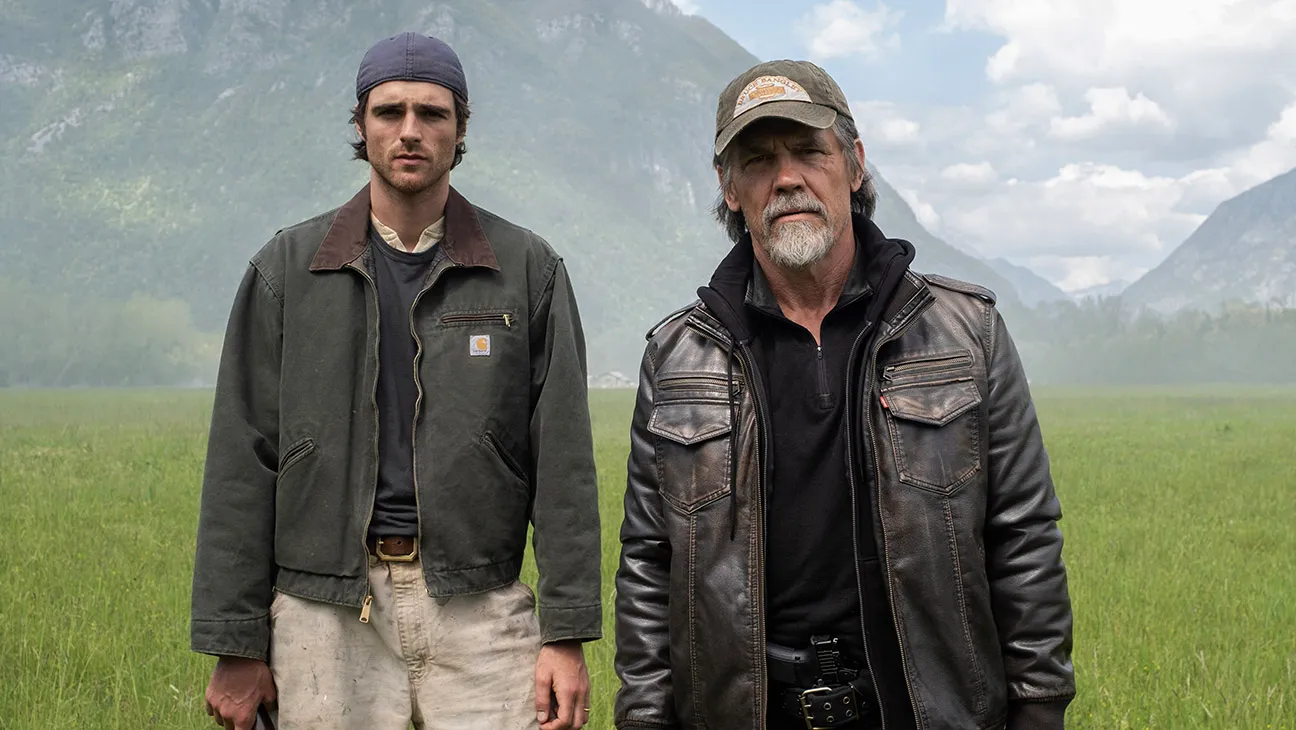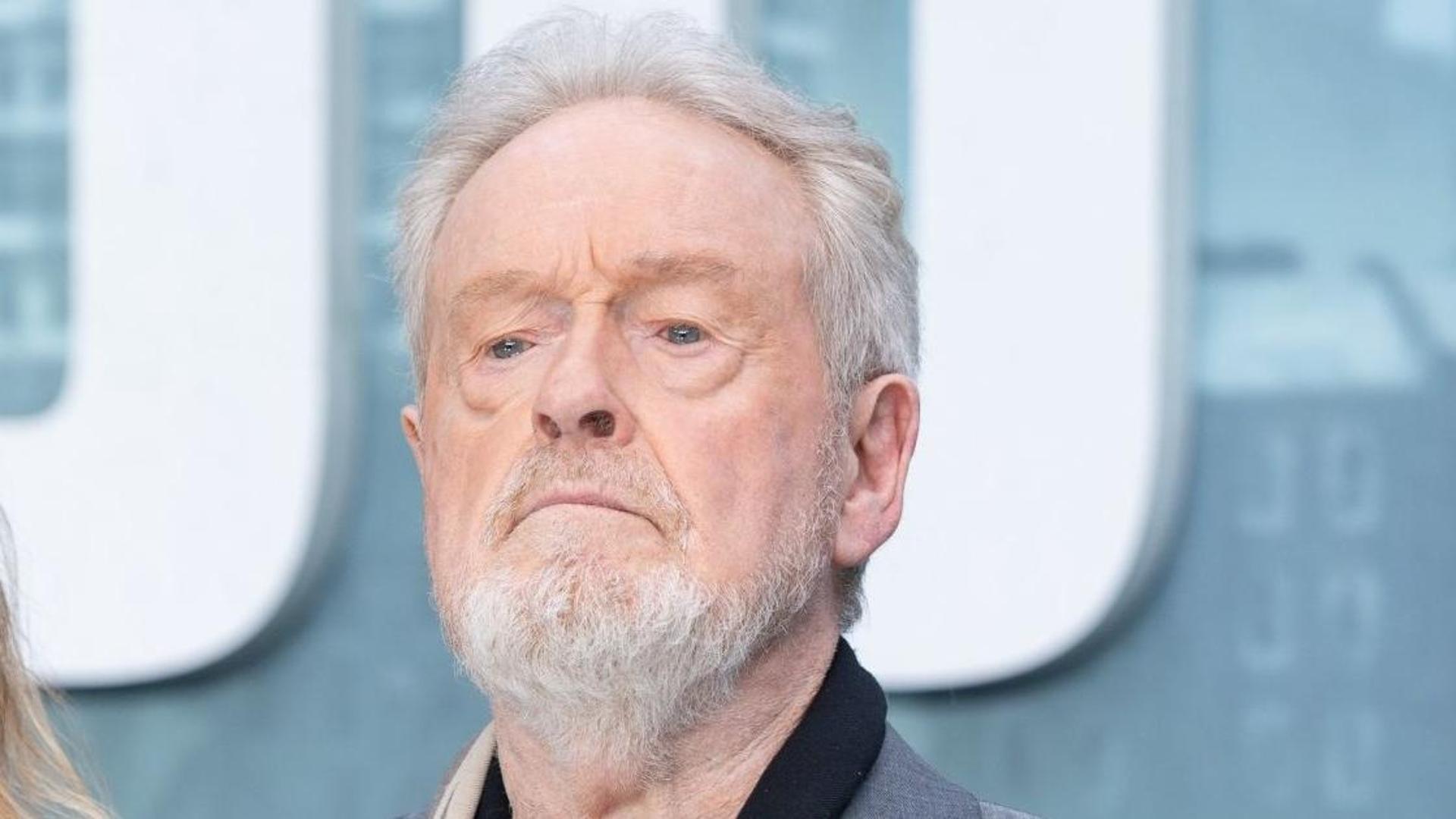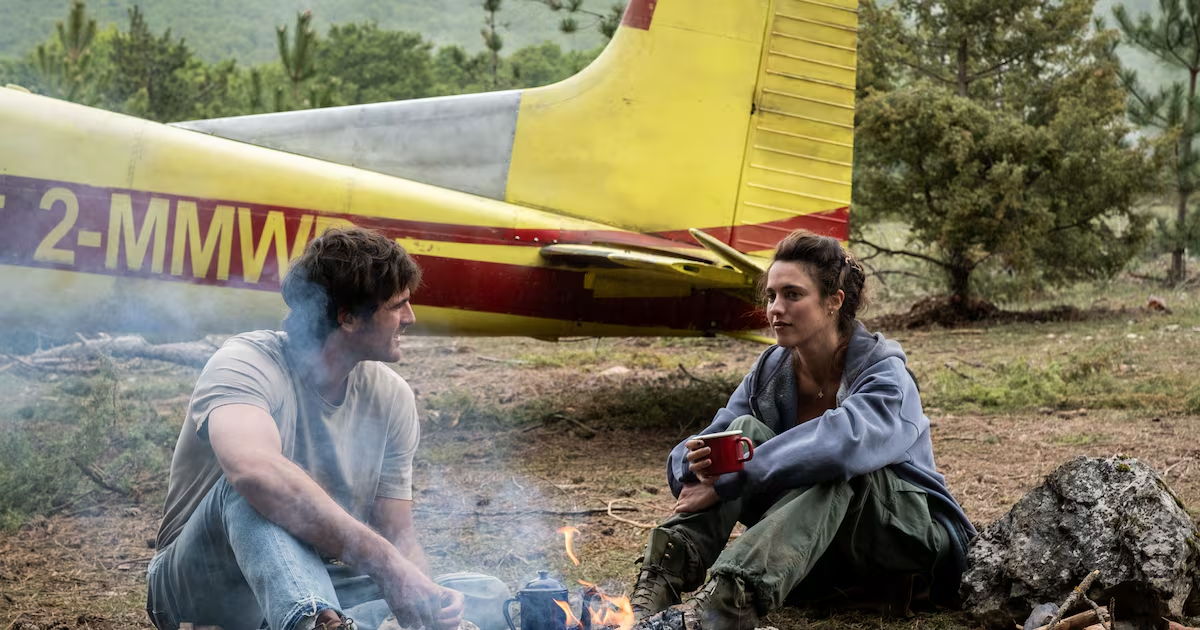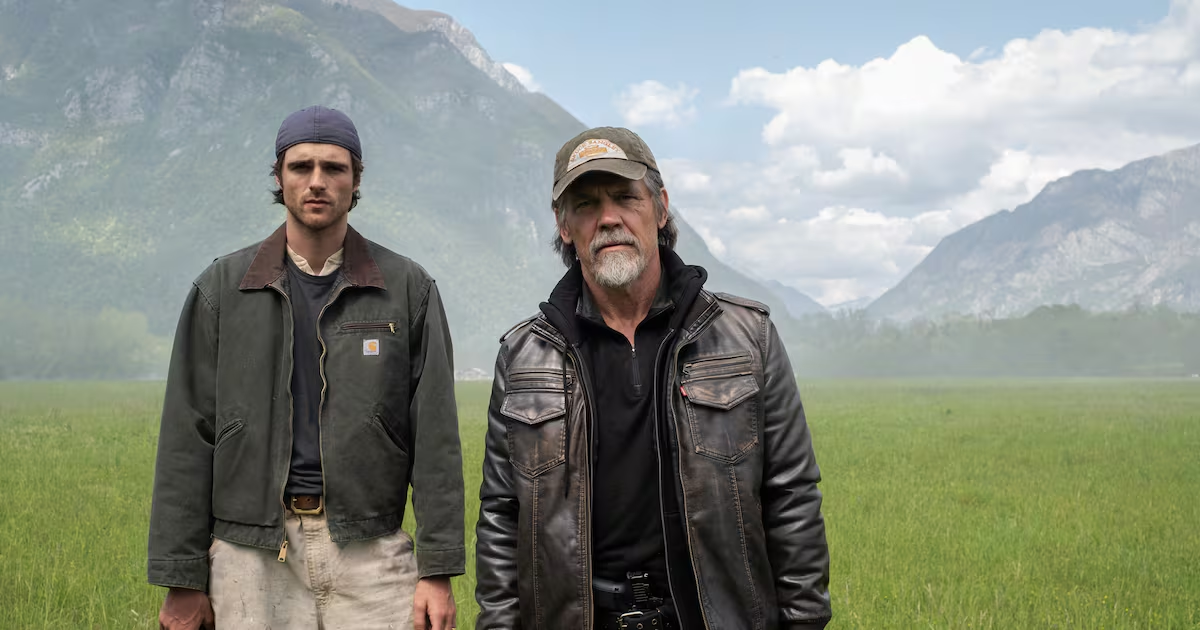
Wake up, world. Ridley Scott is on another press tour. Over the past few decades the indomitable British director, now an implausible 88, has established a reputation for saying whatever the heck he likes in the most colourful manner imaginable. He had particular fun during press duties for his film Napoleon, in 2023. “Excuse me, mate, were you there?” he asked of an imagined critical historian. “No? Well, shut the f**k up then.” He was, at the same bash, keen to impress his proletarian credentials on this writer. “I do 120 hours a week,” Scott told me. “So what do you think I am? I think I’m f**king working class, right?” And so forth.That means there’s a sense of tourists gathering around a simmering volcano at the press event for The Dog Stars. Scott’s latest film, adapted from a novel by Peter Heller, stars Jacob Elordi, Josh Brolin, Margaret Qualley and Guy Pearce in a tale of survival following an apocalyptic flu epidemic. (The book was written eight years before the Covid pandemic, but it ended up offering prescient commentary.) Elordi, enormous and cautious, Brolin, grizzled and charismatic, and Pearce, gentle and charming, join their veteran director for what turns out to be The Scott Show.Every question is an opportunity for a riff. What about shooting in Italy? Were there delights to that?“Food!” Scott says tartly. “I was in Canada, recceing the film in Calgary. And, you know, Canada is majestic. You get out of a car for a pee and walk in the forest for five minutes. You turn around suddenly. You don’t know where you are. You die there. There are wolves and birds. “So I found that intimidating. I’d already recced in the Dolomites, where the food’s better. I said to my small crew, who were recceing, ‘Anybody frightened? I’m frightened.’ So we all went to Italy.”One imagines he has shot there a few times. In the 49 years since he gave the world The Duellists, a celebrated debut, Scott has clocked up 30 feature films. And few of those have been delicate chamber pieces involving quiet liaisons in suburban greenhouses. Alien, Blade Runner, Gladiator, Kingdom of Heaven, The Martian, The Last Duel: the plain-speaking Tynesider has always enjoyed the larger scale. The current film – more intimate than most mentioned above, to be fair – was partly filmed at the renowned Cinecittà Studios in Rome. That was where the likes of Sergio Leone and Federico Fellini plied their trade.“Italian and French cinema were my school, even more than Hollywood,” Scott says. “And somehow Italy kind of lost it. Sorry, you did Italy – and France lost it. There’s no tax rebate in France. So they don’t have that kind of industry.”That’s them told.“I met Fellini and Sergio Leone,” he drops in.“Very cool,” Elordi says.It sounds as if Scott and Fellini met when the Italian was shooting his 1983 epic And the Ship Sails On.“Fellini took me around the thing he did with the giant boat,” Scott says. “He had the set on two pistons the size of this building. And he walked me around. He was very proud. He wore a very English mackintosh. What’s the English mackintosh that has plaid inside? Famous English mac?”“Burberry?” someone suggests.“Yes. He had a Burberry scarf. I always remember that. So much class.”Anyway, where were we? The Dog Stars is plainly warning us about something or other. Elordi and Brolin play two oddballs operating from what remains of a remote airfield. Elsewhere, the sparse surviving population squabbles over fuel and canned goods.This is not exactly an ecological disaster, but the film is awake to a ticking clock. One way or another, this is how humanity might end up.“People don’t watch the news,” Scott says. “And I’m a news hound. So I watch the global news twice a day, and a lot of this is happening already. “And we have just all got blinkers on every level about climate change. Worse chaos in certain territories around the world. I’m not going to mention where they are, but there’s chaos fundamentally – calamities.”The Dog Stars: director Ridley Scott. Photograph: John Phillips/Getty Was that why he wanted to make the film?“Yeah, I don’t want to make it into a documentary. It does need to, in that very loose term, entertain. But ‘entertain’ should also challenge you. You can’t just sit there grinning at some stupid movie. It’s great when it starts telling you something. When the film starts speaking to you.”Scott is furrowing his brow in close concentration. The party is listening closely.“I try and hide what I think underneath, because I tend to get very dark, being Celtic. I was killed on Blade Runner for being so tough. I’ve never forgotten that.”Really?“Pauline Kael! Full page of destruction.”Scott is not wrong in suggesting the critics have occasionally had it in for him. And the most notable mauling was, indeed, for Blade Runner in 1982. Pauline Kael, the buzziest critic of her age, gave that science-fiction noir a full 1,200 words of forensic “destruction” in the New Yorker magazine. She had praise for the production design, but little else met with approval.Harrison Ford with Ridley Scott on the set of Blade Runner (1982) “Blade Runner is a suspenseless thriller,” she wrote. “It appears to be a victim of its own imaginative use of hardware and miniatures and mattes. At some point, Scott and the others must have decided that the story was unimportant.”Scott had his eventual revenge. A director’s cut in 1992 tidied away some of the original release’s missteps as it propelled the picture to its current legendary status. But Kael’s review seemingly continues to sting.“I framed it in the office. I never read a critic again. With respect to you guys.”“Was the review that bad. Pauline Kael’s?” Brolin asks.“Full page in The New Yorker. I framed it in my office,” Scott repeats. “What it taught me is don’t read your own press, good or bad. Because if it’s great press you think you own the world – and you don’t. If it’s bad press, you think ... ”He makes grumbling noises.“So I don’t. I just do what I have to do. That’s it.”Scott, in so many ways, comes across as the last of the great heroic directors. Indeed, you could argue that, by the time he moved from advertising into features at the end of the 1970s, that domineering breed – the likes of John Ford and John Huston – was already becoming a thing of the past. Scott comes across as the unflappable general at the heart of a cinematic war. Like those earlier Hollywood film-makers, he is not afraid to tackle the big genres. Sword and sandals with the Gladiator movies. Historical epic with Napoleon. Crime saga with American Gangster.Jacob Elordi in The Dog Stars. Photograph: 20th Century Studios I imagine actors come to him with expectations. Elordi, the unavoidable Australian star of Wuthering Heights, Priscilla and Frankenstein, was a canny pick for the resourceful lead character in The Dog Stars. He marvelled at Scott’s energy.“It’s like Ridley mainlines the shooting process,” he says. “He just comes to life in the morning. It’s like nothing I’ve seen before.”How does Scott do that?“It used to be Marlboro, and then it became cigars,” the director says. “I’d do four packs a day. I’m still here.”“Four packs a day of cigars?” Brolin says, slightly aghast.“No, four packs a day of Marlboro reds,” Scott clarifies.“Then you switched to cigars!”He is now more prolific than he was in his 40s. He releases close to one (huge) film a year, and if he misses that target he will often follow up with two in 12 months. The Last Duel and House of Gucci both arrived in 2021. As we speak, he is planning an adaptation of Treasure Island with Hugh Jackman as Long John Silver. “I develop a lot of my own material,” Scott says. “In fact, 80 per cent is chosen by me. I then find a writer, and then we develop it. And so I spend a lot of time sitting with the writer. And I’m good at saying, ‘This is getting boring.’”He remembers his work on The Martian, the Oscar-nominated adaptation of Andy Weir’s science-fiction adventure.“The Martian was sitting on the shelf,” he says. “They didn’t know what it was. I said, ‘It’s a comedy’. They said, ‘A comedy?’ I said, ‘Yeah. How can it not be a comedy? If a guy survives by eating food grown in his own manure, that’s funny.’”The film went on to win award for best motion picture at the 2016 Golden Globes.One thing that keeps Scott going is concern at the state of the world. He worries about a lot. The Dog Stars was, to an extent, driven by recent financial convulsions.“In 2008 we all stared at the financial abyss,” Scott says. “The greed of the banks. Hedge-fund traders and bankers would charge a per cent to tell you what to invest, then charge another per cent on the profit. When all you should really have is per cent on the profit. “That is just a basic symbol of what went wrong. And then not paying attention when the oldest bank in the world crashed. You had that on the top of a pandemic.”He’s on a roll.“You want me to go on and get depressing?”That’s fine for now. Maybe the press tour for Treasure Island will be a bit jollier. It should be along in another 15 minutes or so. The Dog Stars is in cinemas from Wednesday, August 26th
Ridley Scott’s impending apocalypse: ‘People don’t watch the news. This is happening already’
The Dog Stars director on bringing his bleak ‘Celtic’ world view to The Dog Stars, the Pauline Kael bad review he had framed, and his fear of Canada
1,593 words~7 min read