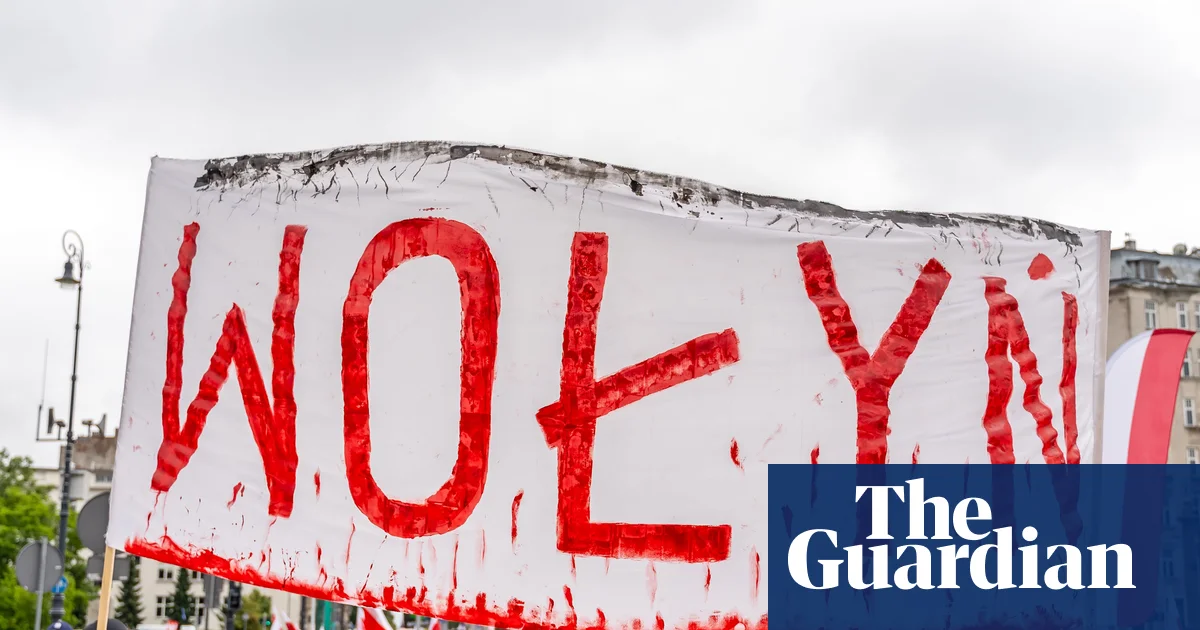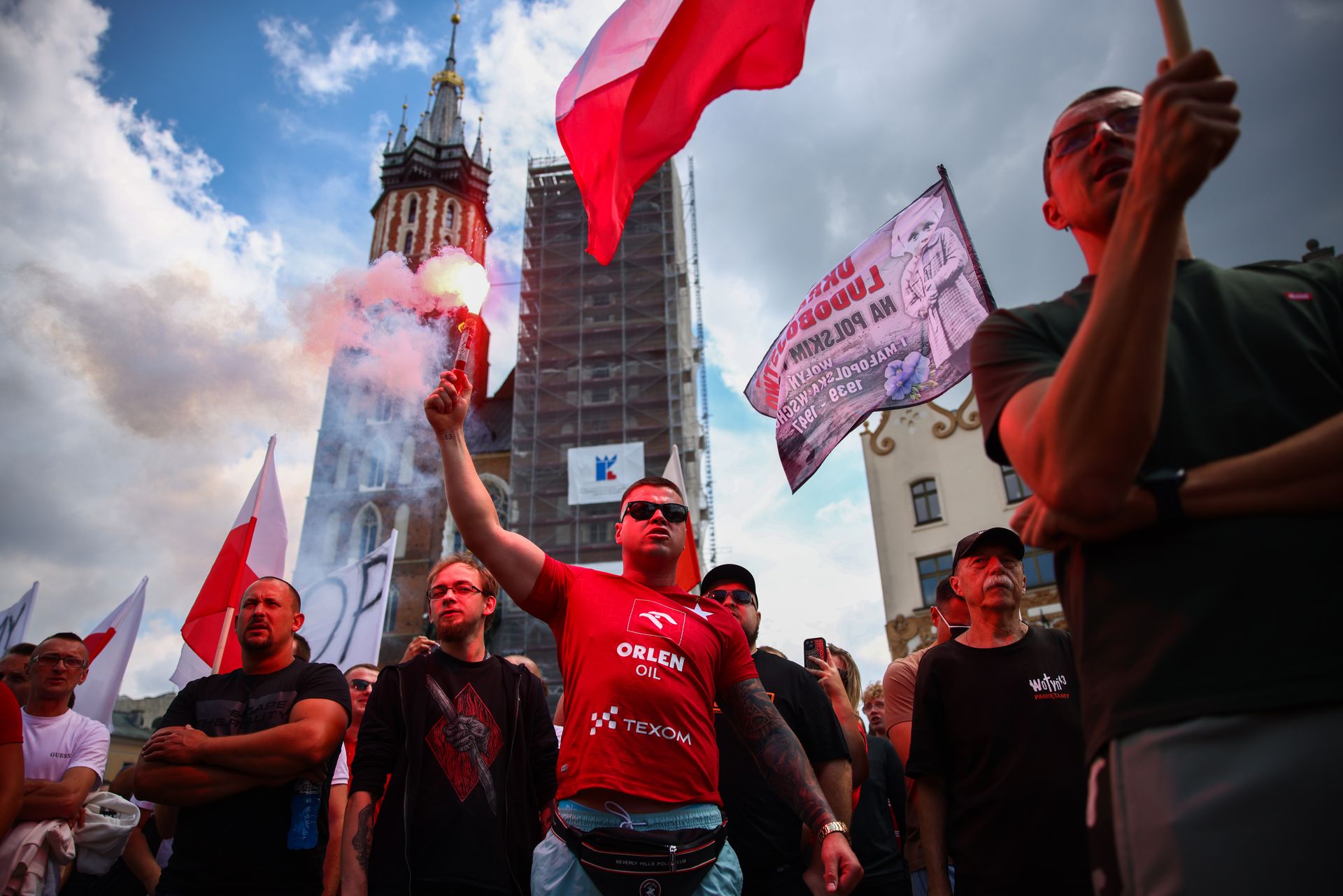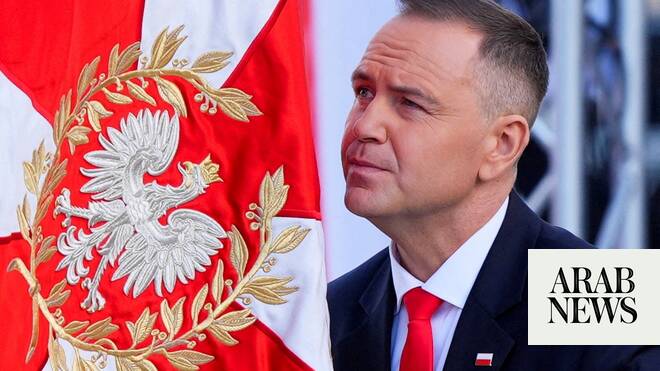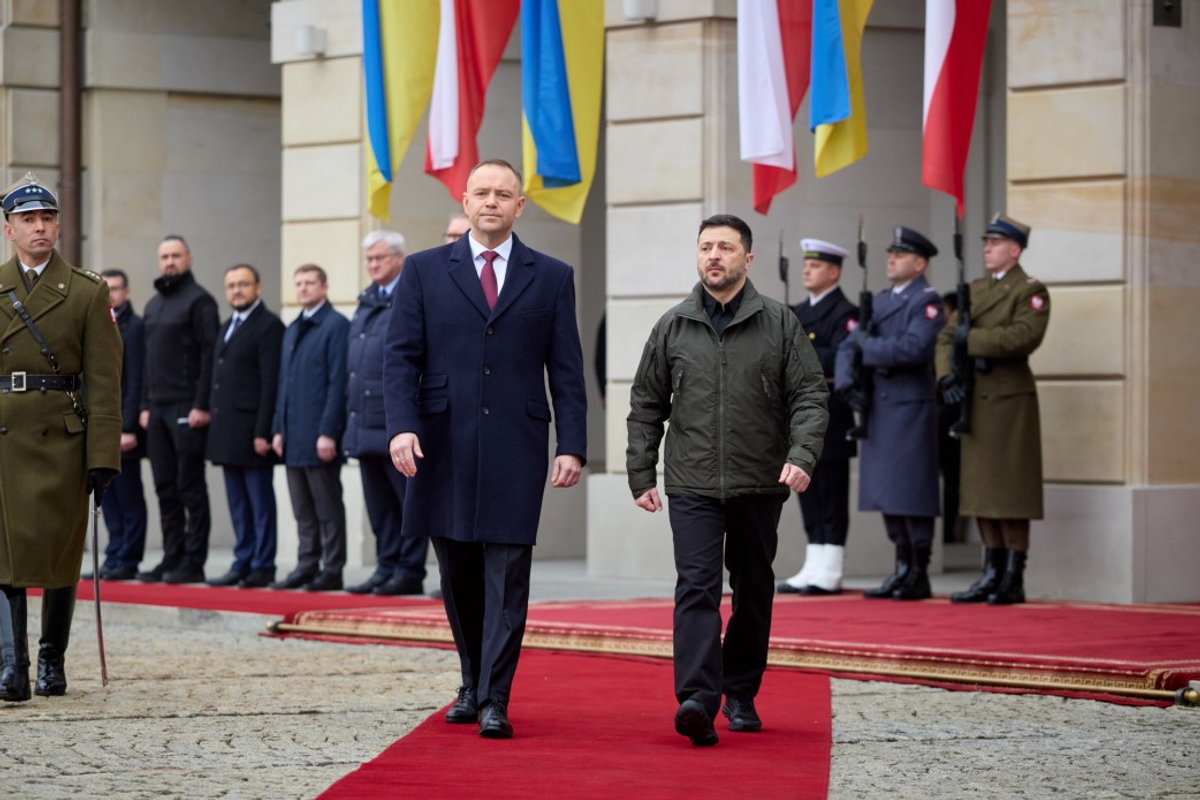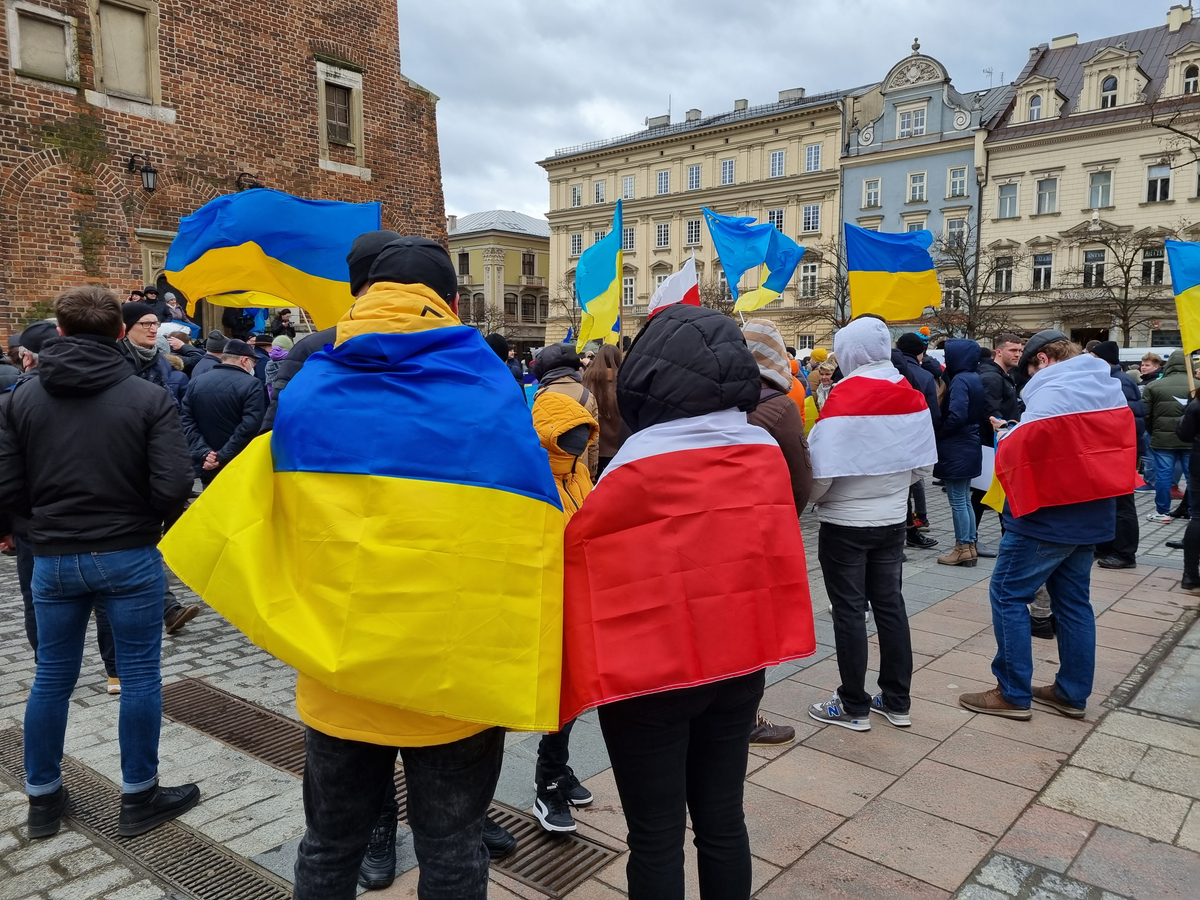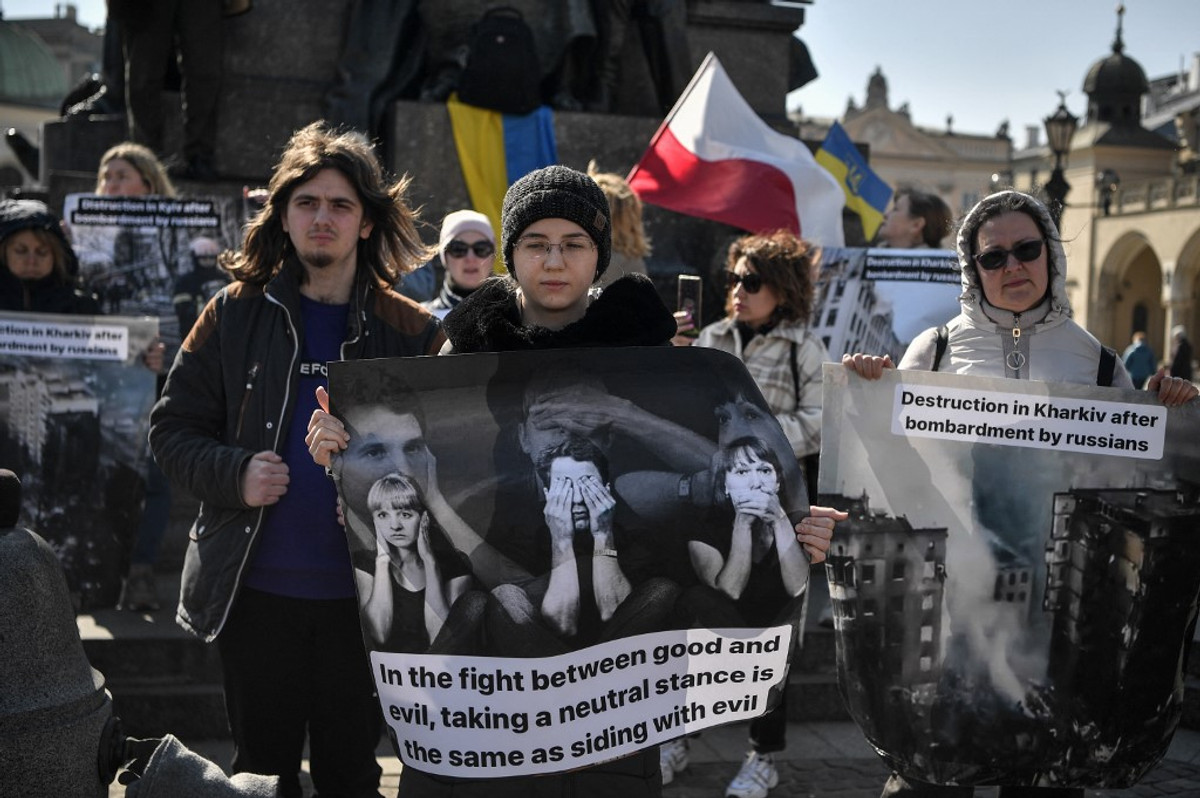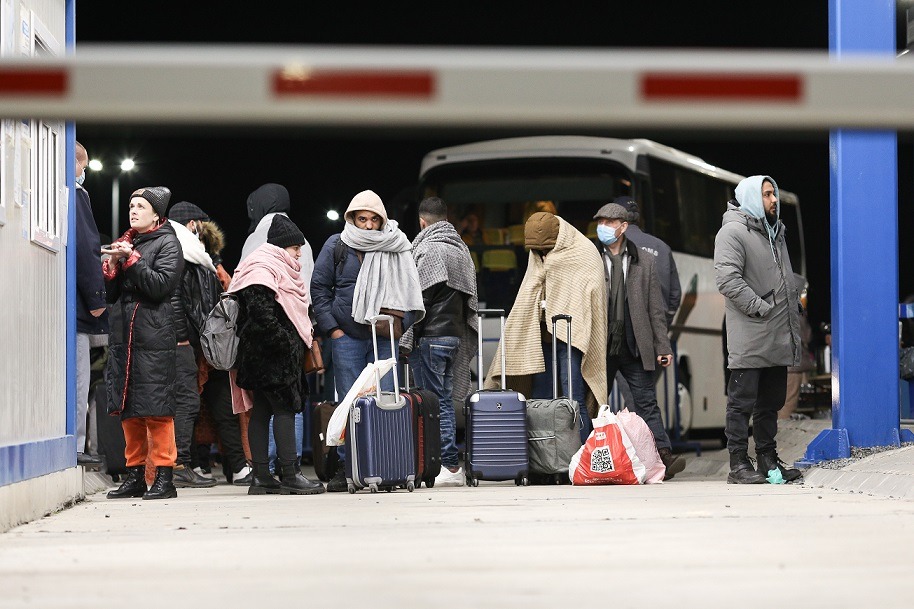
One of the unintended consequences of Russia’s full-scale war against Ukraine was that it gave Poland a rare slice of geopolitical stardom. When Russian tanks started their ultimately unsuccessful cavalcade towards the Ukrainian capital, ordinary Poles rushed to help millions of people fleeing the looming conflict. As Polish people opened their doors to civilians running from Russian bombs, even the then ruling populist Law and Justice party had to follow suit.It seemed that Poland and Ukraine were bound for an iron-clad alliance, unprecedented in their shared history. Poland advocated for the Ukrainian cause in the west, with some success. Ukrainian leaders, in turn, praised Poles for their generosity and the government in Warsaw for contributing weapons and money to the war effort. Given that recent history between the two countries had been marked by accusations of second world war-era genocide, border shifts and postwar displacements of millions of people, it was a remarkable change.But it has not lasted. According to a an opinion poll by CBOS, Poland’s largest polling institution last month, 52% of Poles now oppose their country accepting Ukrainian refugees. A steadily growing number are becoming weary of supporting Kyiv, with many rightwingers arguing that weapons transfers have depleted Poland’s own capacity to defend against a potential Russian incursion.Memory politics has unhelpfully reared its head after Volodymyr Zelenskyy named a military unit after the Ukrainian Insurgent Army (UPA), a branch of which massacred about 100,000 Poles in 1943. The Polish right responded in kind, and the president, Karol Nawrocki, revoked Zelenskyy’s Order of the White Eagle, the highest state honour available to non-Poles. Both sides refused to back down, returning further honours and pretty much freezing mutual relations.This is all great fodder for the Russian propaganda that runs amok on Polish social media. Misinformation about Ukrainian “welfare queens” claiming benefits at the expense of hard-working local people is fuelling tensions that, increasingly, turn to violence. A particularly vicious incident took place on 26 July, when a young Ukrainian couple was attacked outside a grocery store in Wrocław. The suspected attackers allegedly shouted, “go away to war”. Headlines trickle out almost daily about Ukrainian citizens being verbally abused or physically attacked in Polish streets.Personal spats between leaders, historical disputes, Russian influence – these are some of the many reasons why the honeymoon is over. But another dimension of this deteriorating relationship keeps being overlooked. In dealing with the urgent fallout of the conflict, neither country had done enough to understand each other beyond the war. That failure is now coming back to haunt them.To put it bluntly, Poland had failed to fully realise that Ukrainians were not just helpless victims of Vladimir Putin, but actual people with agency. As soon as they could, many Ukrainian refugees moved out of their hosts’ living rooms and rented or bought apartments. They set up businesses, many of which are now flourishing, and created a robust community, often engaging in direct competition with local people. They refused to behave as grateful or passive recipients of Polish charity. This is an understandable, indeed desirable progression, but as a result, compassion ceased to be the currency of the relationship between Poles and Ukrainians. For Poland, a country nearly entirely ethnically homogenous since its postwar years, such a change became difficult, if not impossible, to handle.But Ukraine is of course, a country like any other, with a large economy and national interests beyond its resistance to Putin’s war of aggression. It has evolved from passive recipient of western aid in the aftermath of the full-scale invasion in 2022, to a global exporter of new military technology and knowhow. Accustomed to direct talks with US and western European leaders, Ukranians do not need an “advocate”, certainly not in Warsaw. Zelenskyy can run his own show.What emerges, therefore, is contempt in place of cooperation, and hate in place of hope. The initial enthusiasm was bound eventually to disappear, and both governments should have prepared for that. Instead, they allowed a vacuum to be filled by Russian misinformation aimed at pulling the two countries further apart, thus weakening Europe’s support for Ukraine. Such an outcome could and should have been avoided, especially by Donald Tusk’s liberal governing coalition.It failed to recognise Ukraine’s growing ambitions and continued to feed the myth that Warsaw was destined to play a Promethean role in Kyiv’s future. It did not prepare its own people for accepting refugees as fully fledged members of society. And it fostered the delusion that it was Poland that, somehow, had a decisive vote on whether Ukraine enters democratic Europe.skip past newsletter promotionafter newsletter promotionPoland’s shortsightedness is a cautionary tale. Whatever happens in the next few years, it seems certain that Ukraine will be drawn closer to Europe, and Ukrainians closer to the European economies. They will become business competitors to the French and Germans, just as they have been to the Poles. Ukrainian leaders will come to Brussels, Paris and Berlin, asking not for free bullets and money, but for an equal voice, arguing that their defence of the continent against Russian barbarism has earned them a seat at the table.None of this should come as a surprise: Ukrainians are more than victims, and Ukraine is more than a country at war. Poland’s failure to take this into account has already had dramatic consequences. The rest of Europe still has time to prepare for that obvious reality.
In Poland, compassion for Ukrainians has turned to contempt. The consequences could be dramatic | Mateusz Mazzini
Warsaw failed to anticipate that refugees would build new lives and Kyiv would demand an equal place at the European table, says Polish journalist Mateusz Mazzini
914 words~4 min read