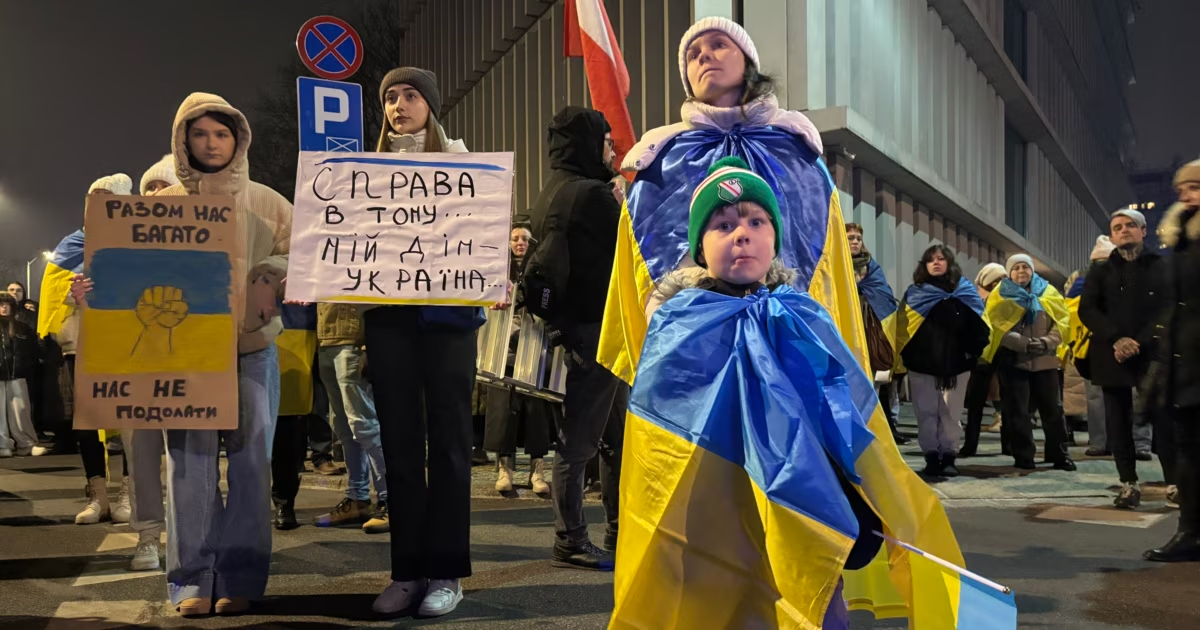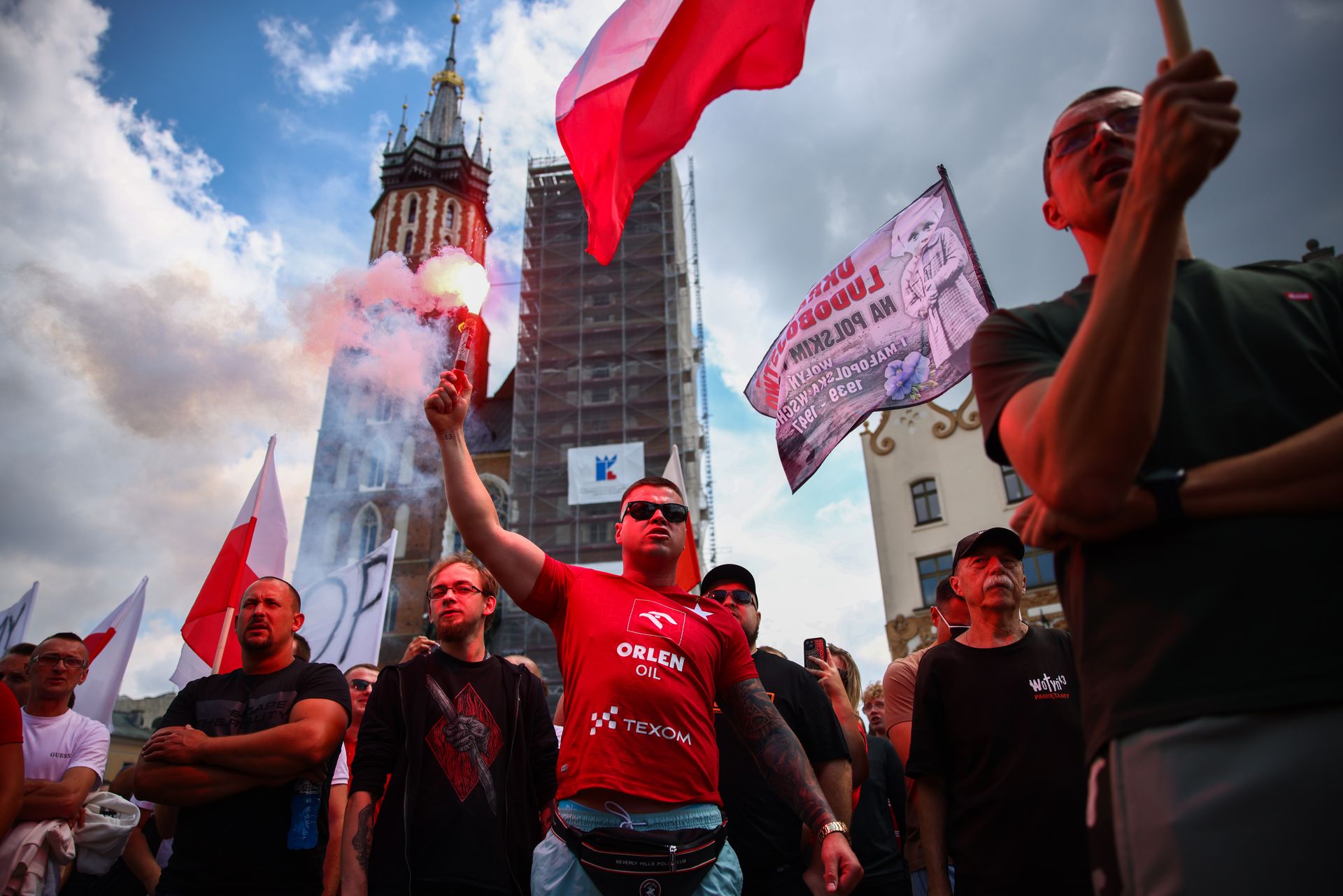
KRAKOW, Poland (AP) — When Nastya Podorozhnya’s relatives fled the war in Ukraine for neighboring Poland, volunteers welcomed them with open arms. Podorozhnya, 29, was already living in Poland when the war began. But days before Russia’s full-scale invasion on Feb. 24, 2022, she rushed back to Ukraine to help her sister and nieces get out.As she returned to Poland alongside an influx of refugees in the war’s first days, she witnessed the outpouring of support from Polish volunteers. But she also spotted a risk: Ukrainian women accepting help from strangers could become vulnerable to human traffickers.That was when she decided to found Martynka, a helpline and support group for female Ukrainian refugees escaping gender-based violence. Four years later, she is struggling to keep the organization afloat. Funding for refugee support is drying up, hostility toward Ukrainians is growing, and Poland still lacks a long-term integration strategy. As war fatigue deepens, politicians are increasingly exploiting anti-refugee sentiment for political gain.
The shift is being felt by groups such as Martynka. While fundraising was relatively easy in the first months of the war, international donors have since turned their attention to other global crises.