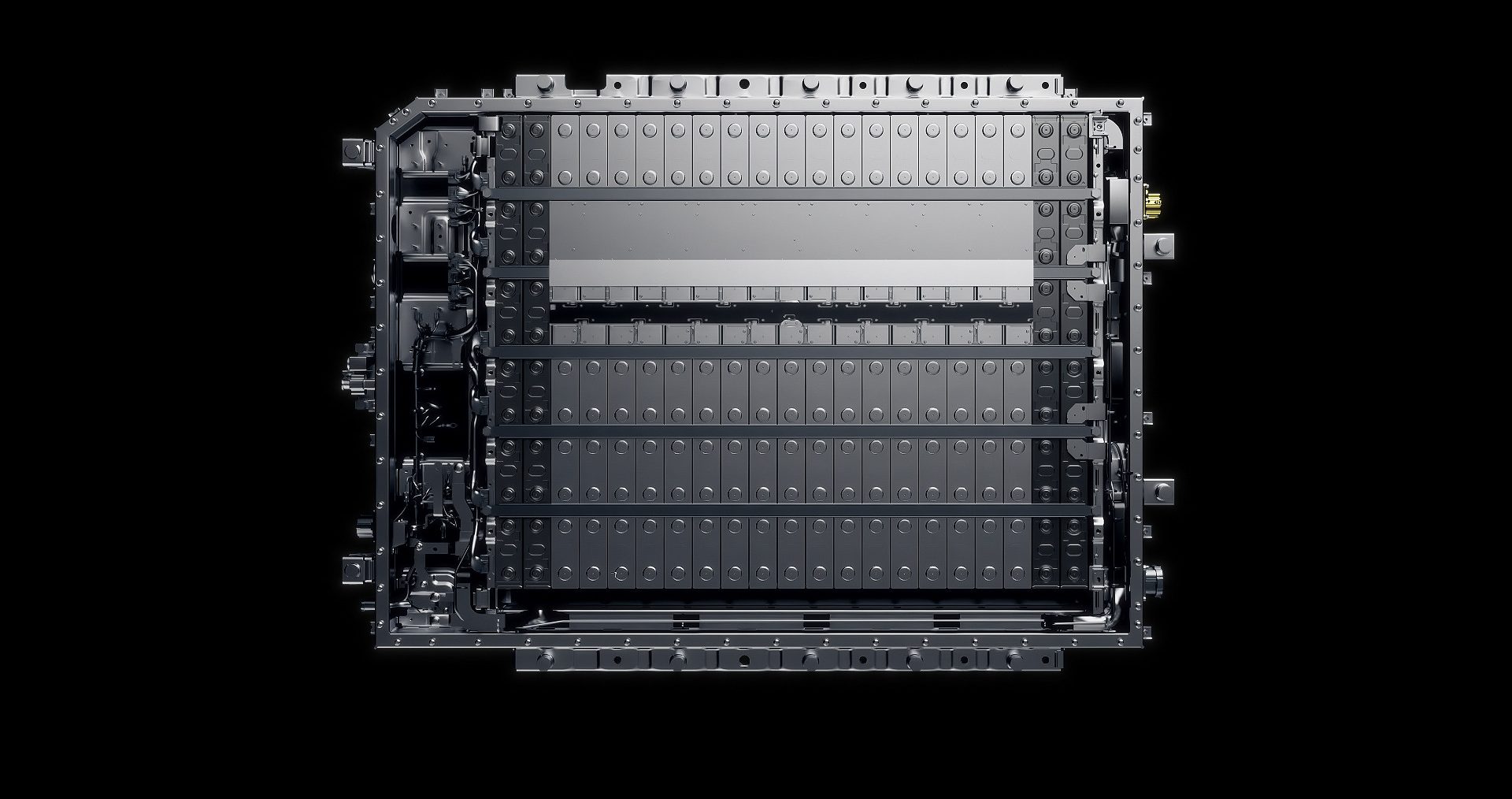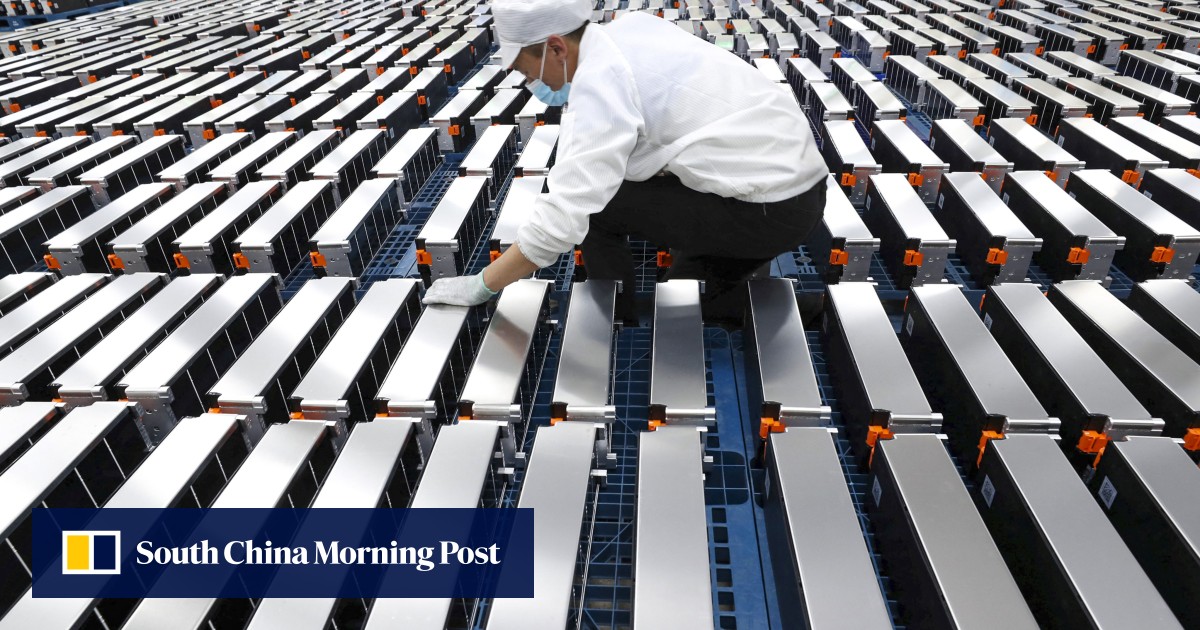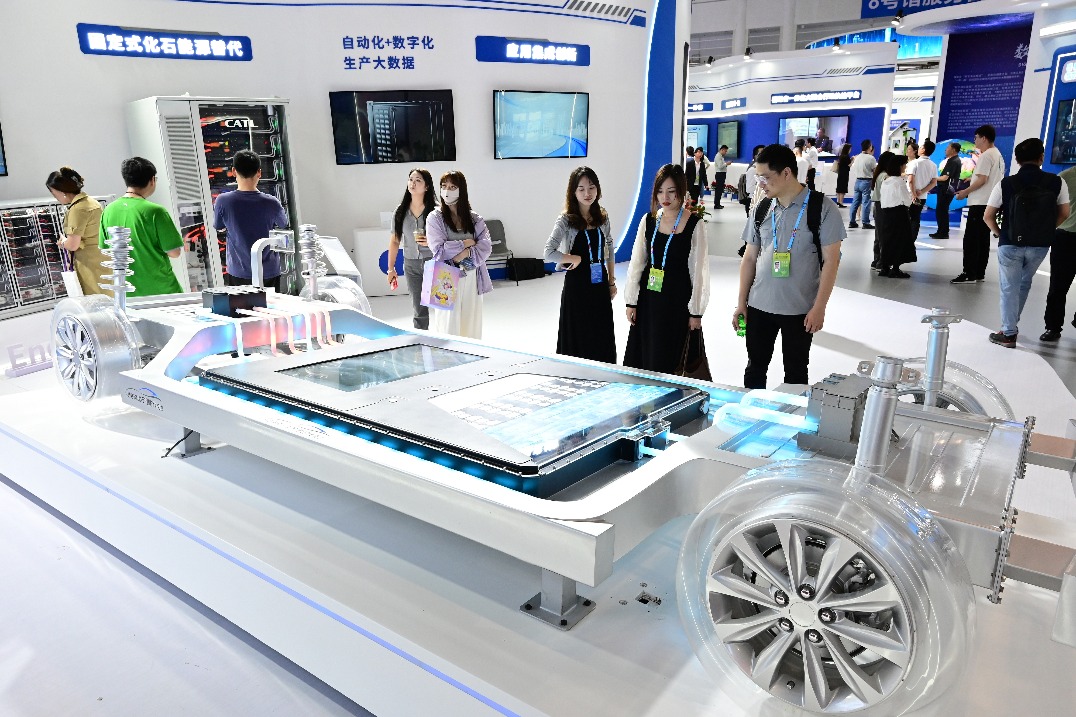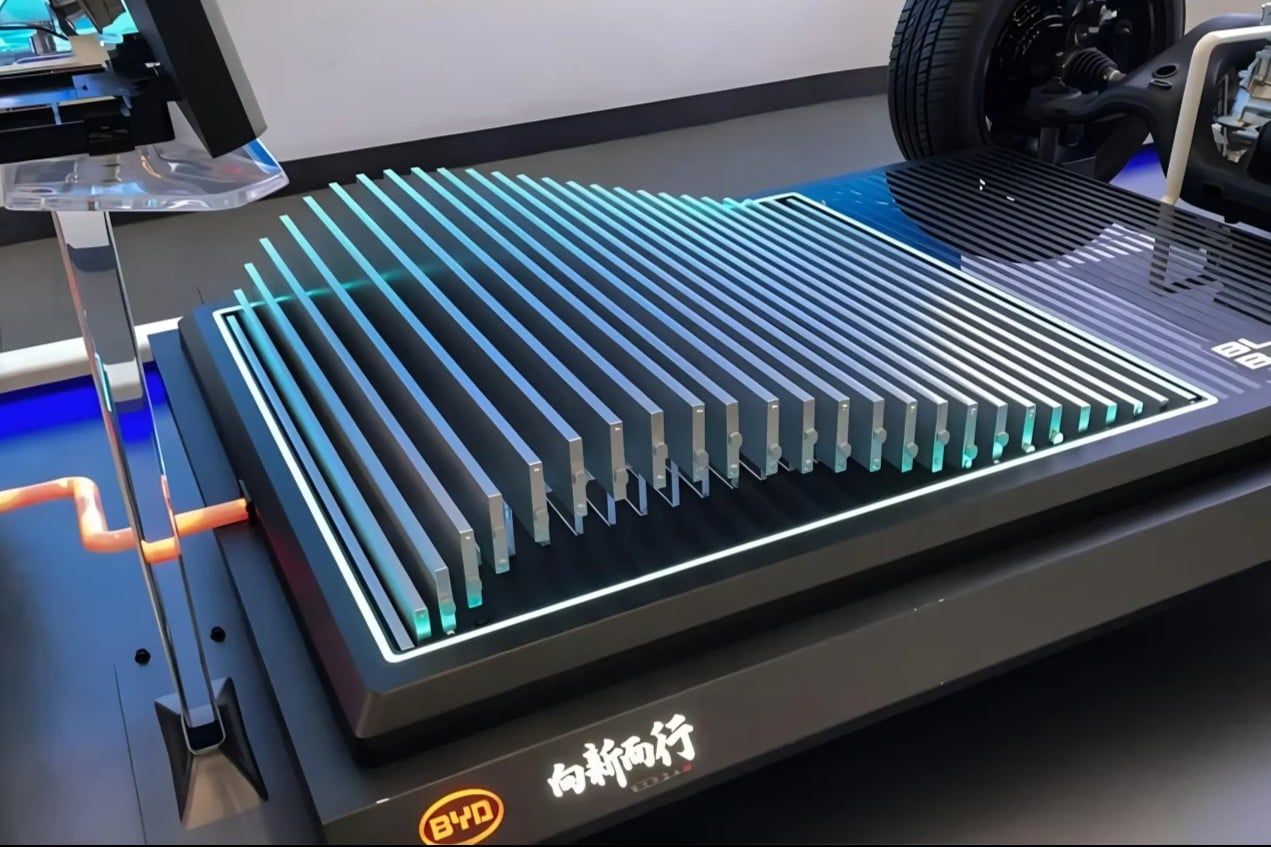
A Chinese-proposed international standard for automotive solid-state batteries has been approved as a new work item by the International Electrotechnical Commission (IEC) – marking the first of its kind for the advanced power systems and the nation’s latest effort to shape rules in emerging industries.Led by China, with input from technical experts in France, Japan, South Korea and other countries, the proposal outlined application guidelines, items and conditions for testing rechargeable lithium-ion solid-state batteries used in electric vehicles (EVs), according to an official statement by the State Administration for Market Regulation (SAMR).The governmental agency said the framework would draw on domestic research and development benchmarks to standardise testing specifications for solid-state batteries, which are widely viewed as the next frontier for EV power systems.While EVs on the market today mostly run on liquid-electrolyte lithium-ion batteries, solid-state alternatives are only beginning to see early, limited commercialisation. Beyond cars, their enhanced stability and performance across extreme temperatures have positioned them as promising power sources for emerging sectors, including humanoid robots, drones and electric vertical take-off and landing aircraft.Announced by the SAMR last week, the China-led proposal comes amid intensifying global competition in advanced technologies, as major economies increasingly leverage standard-setting to secure long-term industrial influence.“When Chinese products go to an overseas market, they will more easily meet the requirements – there will be few major changes in parameters, production processes and so on,” said a veteran Chinese researcher on international standardisation, who spoke on condition of anonymity. This would place China in the position of setting benchmarks that others followed, she noted.
Writing the rulebook? China to steer world’s first solid-state battery standards
As next-gen EV tech accelerates, the global standard agency’s nod could allow Beijing to export its domestic testing benchmarks worldwide.
260 words~1 min read