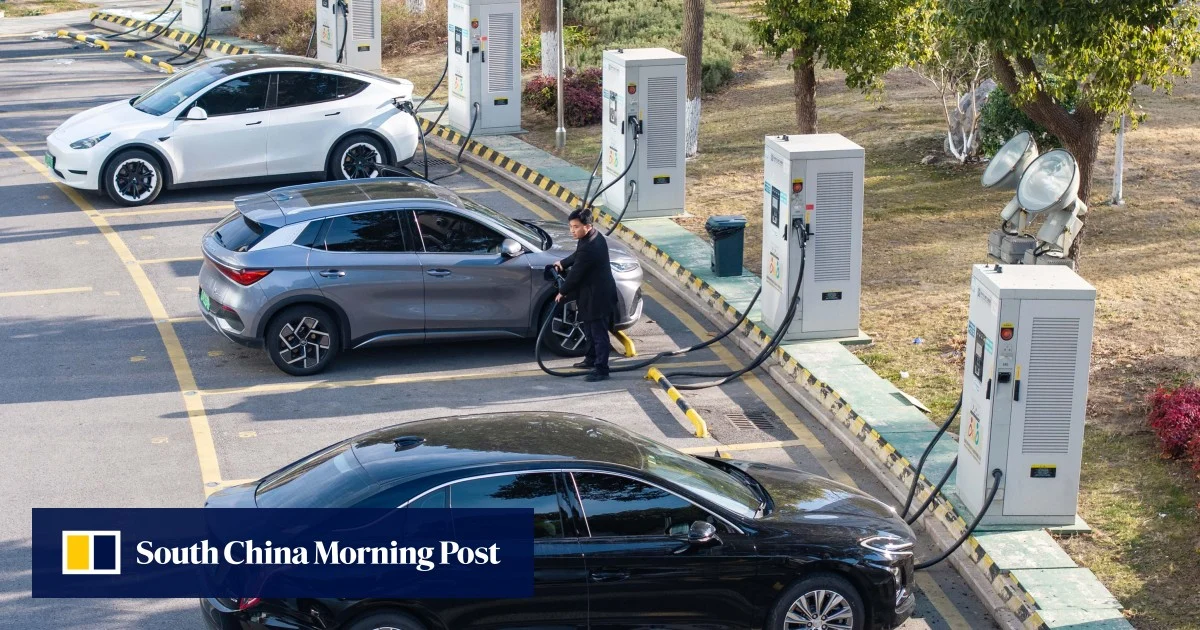
China has enforced two mandatory national standards for new energy vehicles effective from Wednesday, phasing out the 2020 version, with the strictest-ever safety requirements for NEVs and power batteries. Experts say the move sets higher safety guardrails for the world's largest new energy vehicle market and shapes global auto safety protocols.
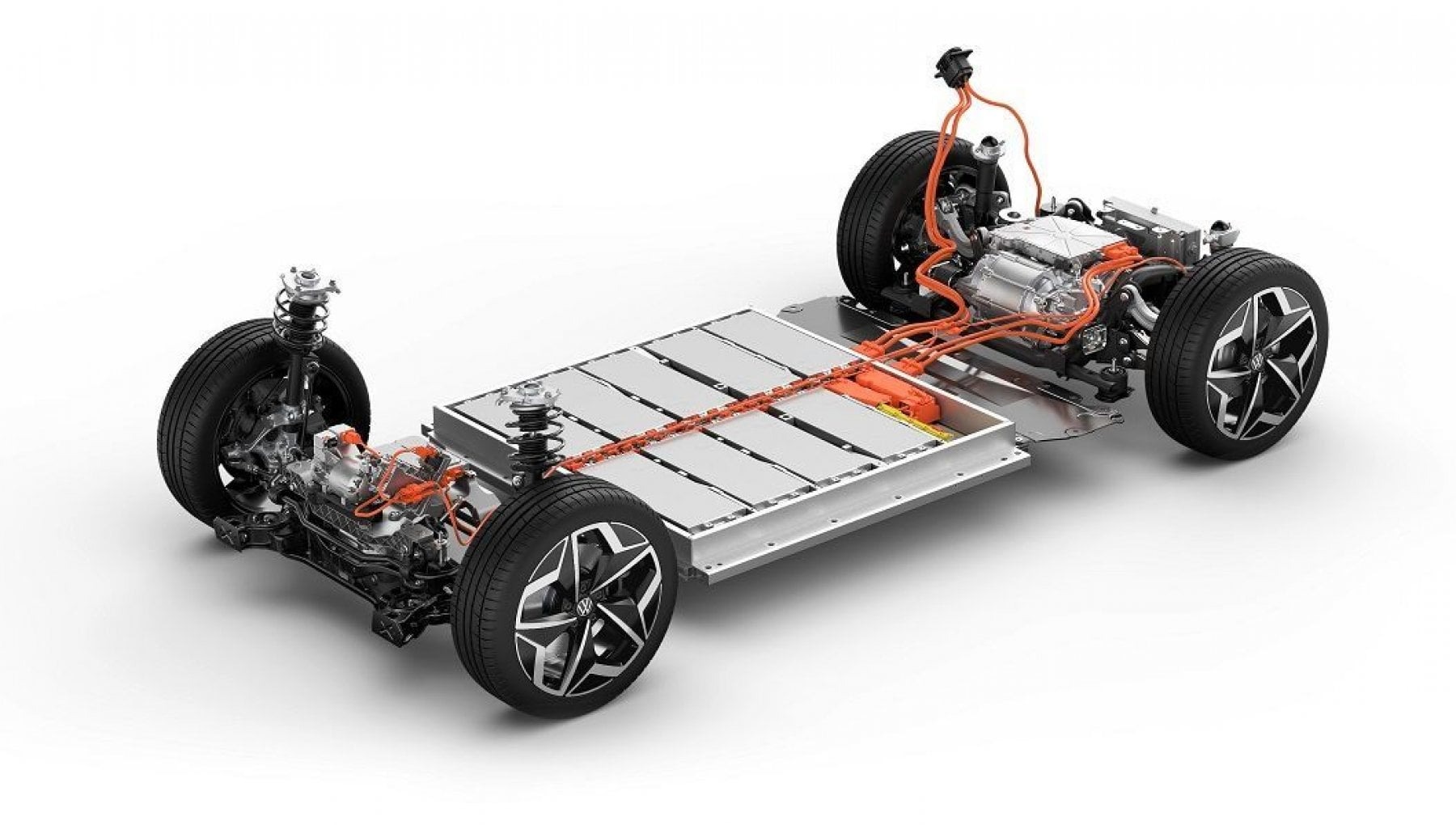
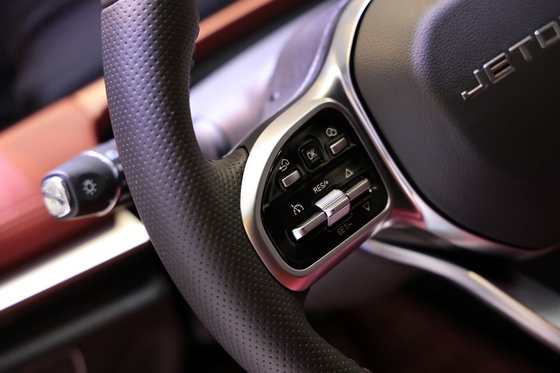
A key provision mandates that all NEVs be equipped with an independent physical high-voltage cutoff device, operable by a single tap or long press. This ensures a physical disconnection of the high-voltage loop, in contrast to previous software-based controls, which could fail in crashes.
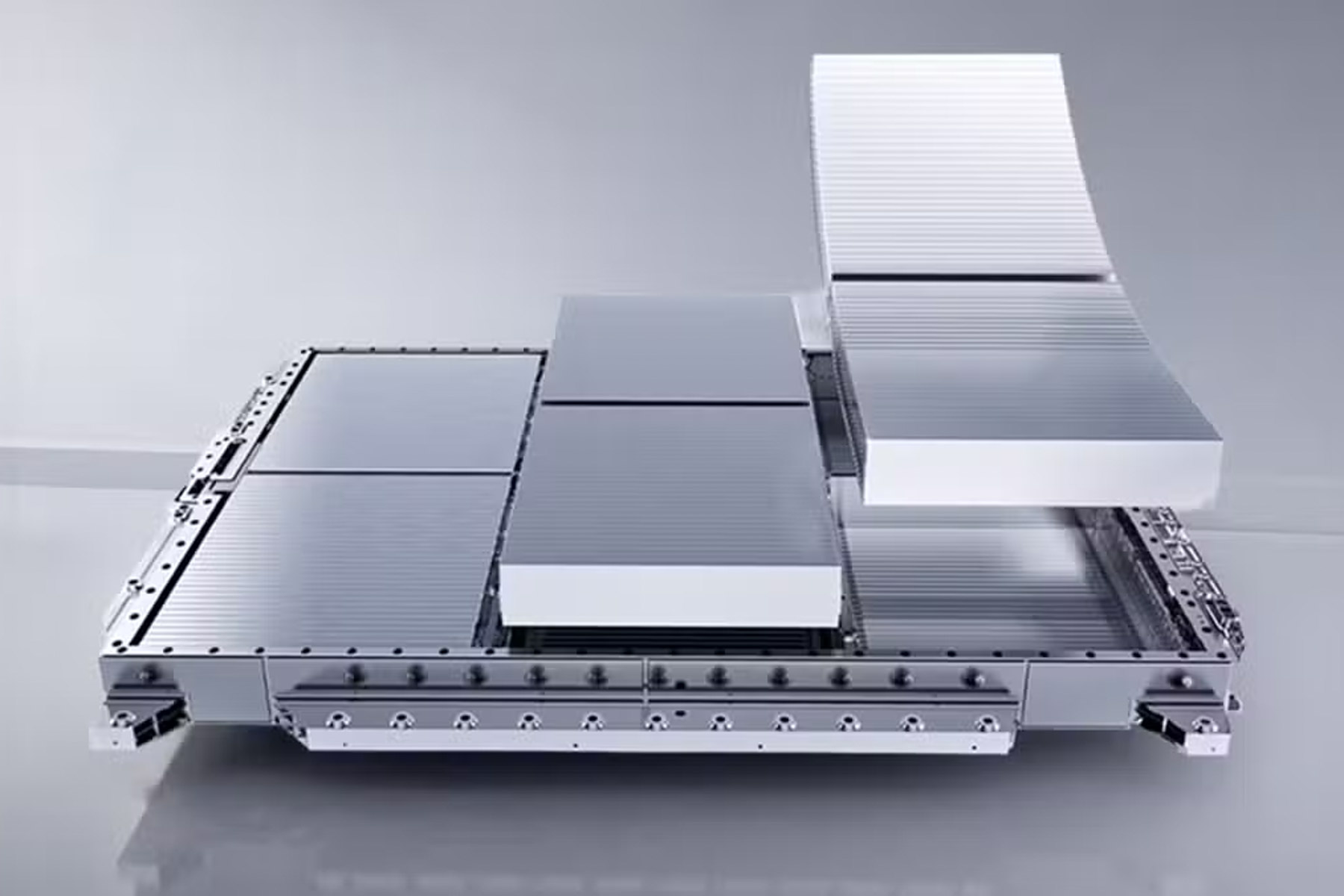
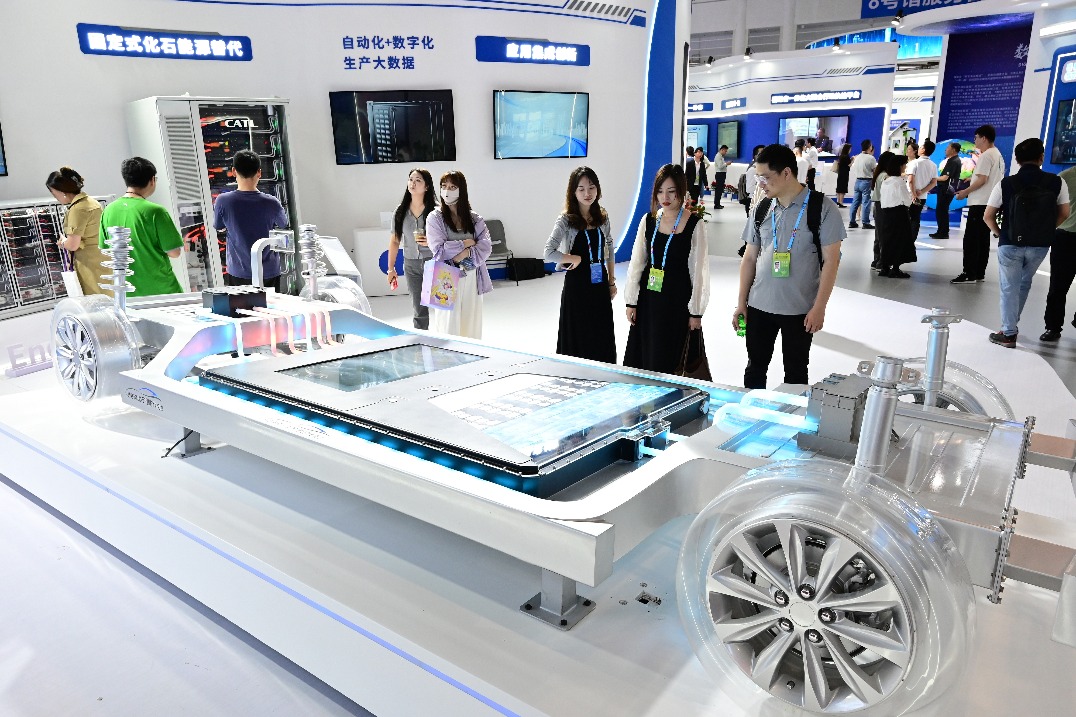
The battery standard raises the thermal runaway test threshold from a five-minute warning before fire or explosion to a mandatory "no fire, no explosion" outcome, while also requiring that any smoke emitted must not harm occupants.
The regulation also adds two new practical test scenarios to address prevalent consumer safety concerns: underbody impact testing to simulate road debris strikes and curb collisions, and a 300-cycle high-power fast-charging durability assessment to verify long-term battery safety under repeated ultrafast charging.
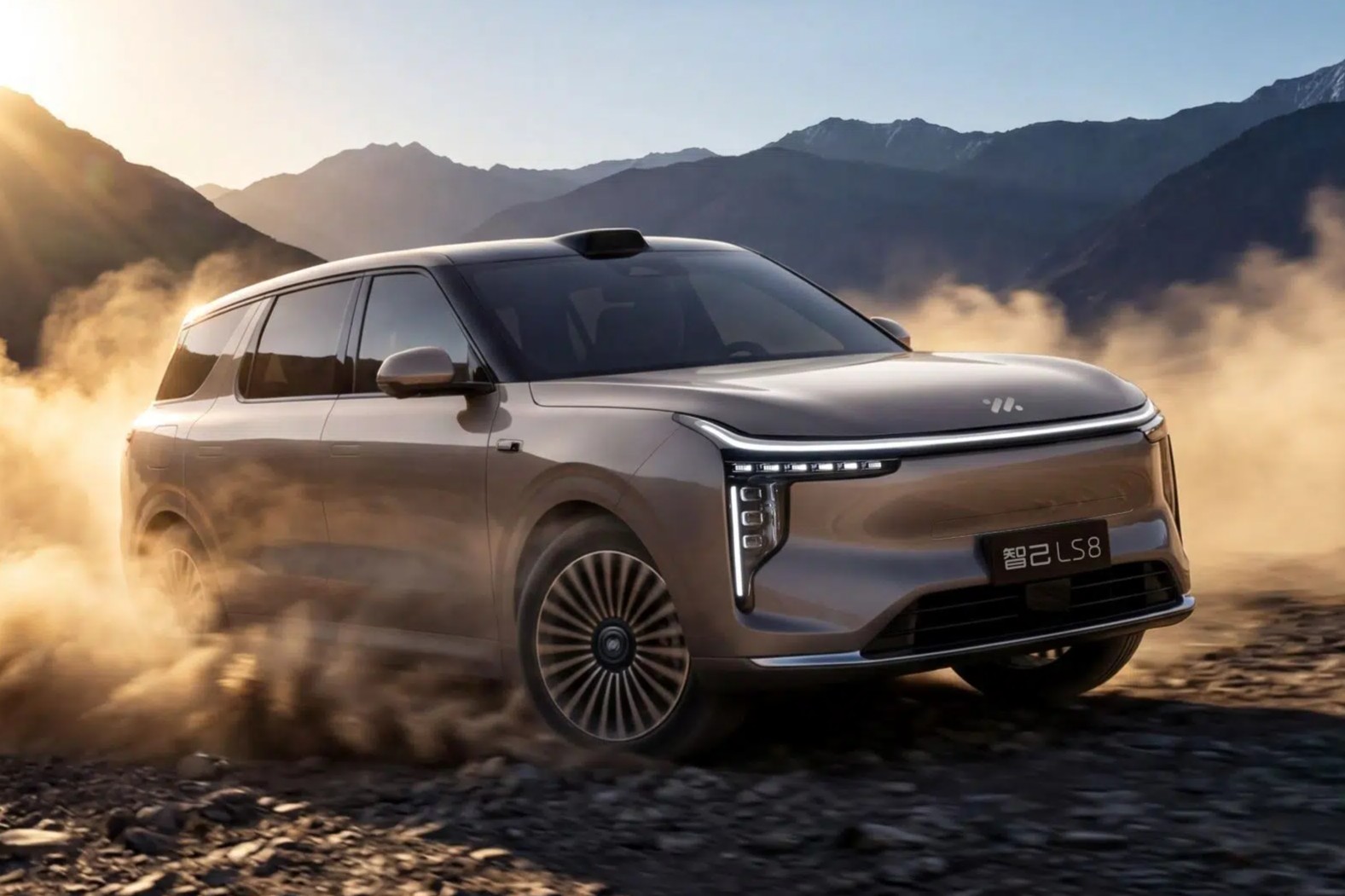
Major domestic NEV manufacturers and startups said they have completed technical upgrades ahead of time, with all new models compliant with the latest national standards.