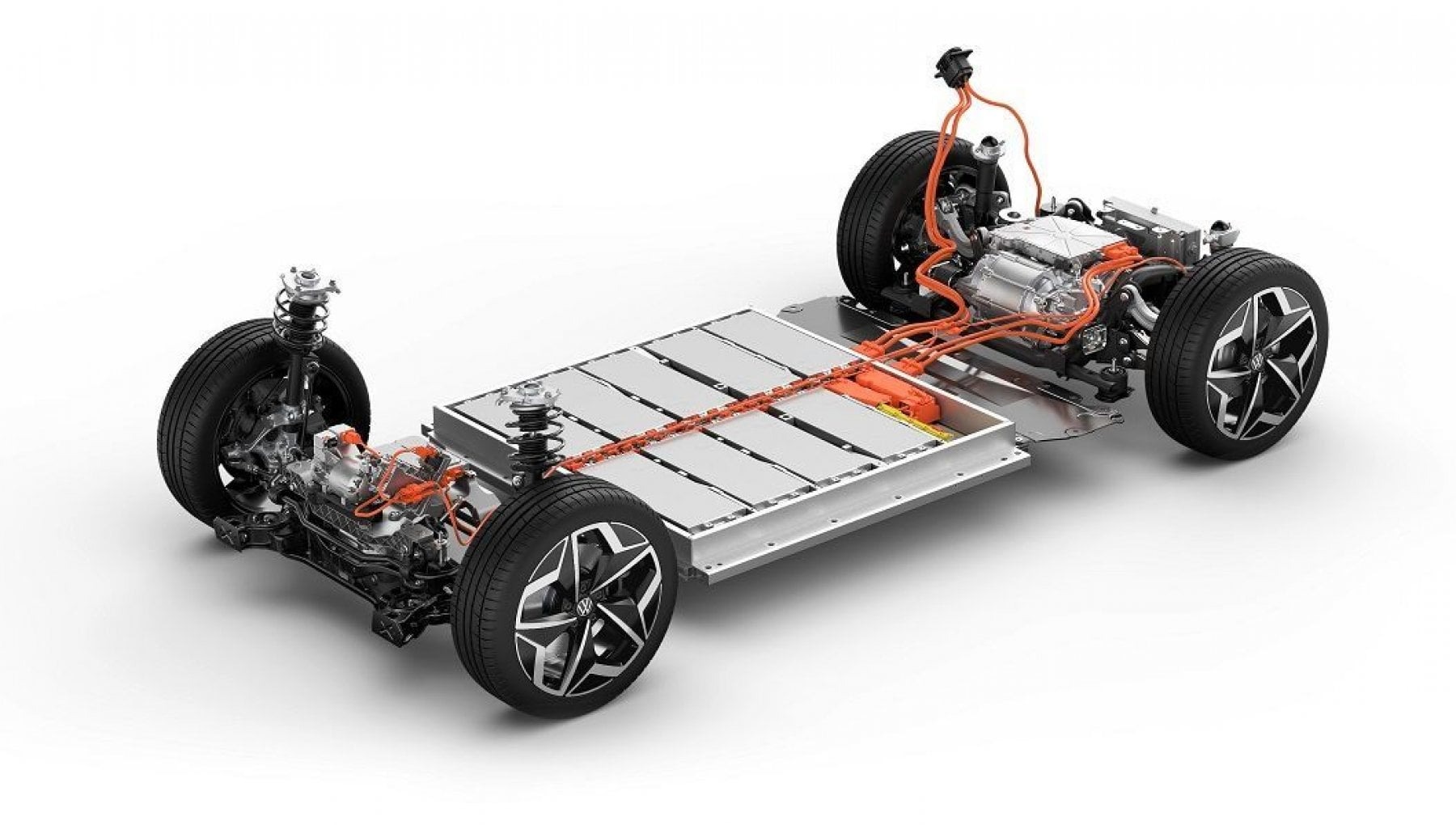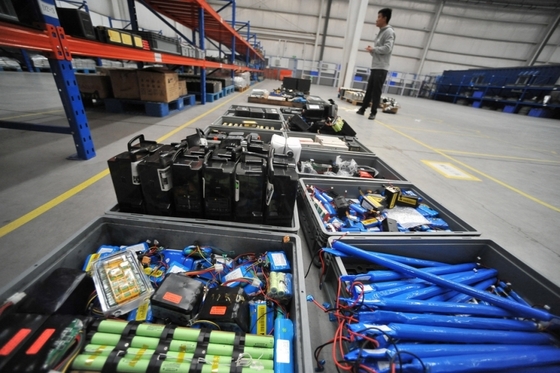
With the publication of details from the national standard GB/T 46991.1-2025, China is taking a significant step towards greater market transparency in the field of electric mobility. Led by the Ministry of Industry and Information Technology (MIIT) and the Standardisation Administration of China (SAC), the standard defines binding measurement methods and reference values for the ageing of traction batteries in electric vehicles. The aim is to drastically reduce the discrepancy between the values displayed in the cockpit and the actual usable capacity.
The standard was published on 31 December 2025 and entered into force on 1 July 2026. It defines requirements and test procedures for assessing battery ageing, residual capacity and the reliable display of traction battery health.
A key element of the standard is the introduction of the State of Available Energy (SOCE). This metric compares the battery’s remaining available energy with its original condition, providing an indication of long-term capacity retention. Under the standard, the deviation between the SOCE value displayed in the vehicle and the physically measured value must not exceed five per cent. For the first time, this establishes a precise benchmark for battery health displays, clearly distinguishing SOCE from the short-term State of Charge (SOC). The metric indicates how much of the battery’s original usable capacity has been retained over time.