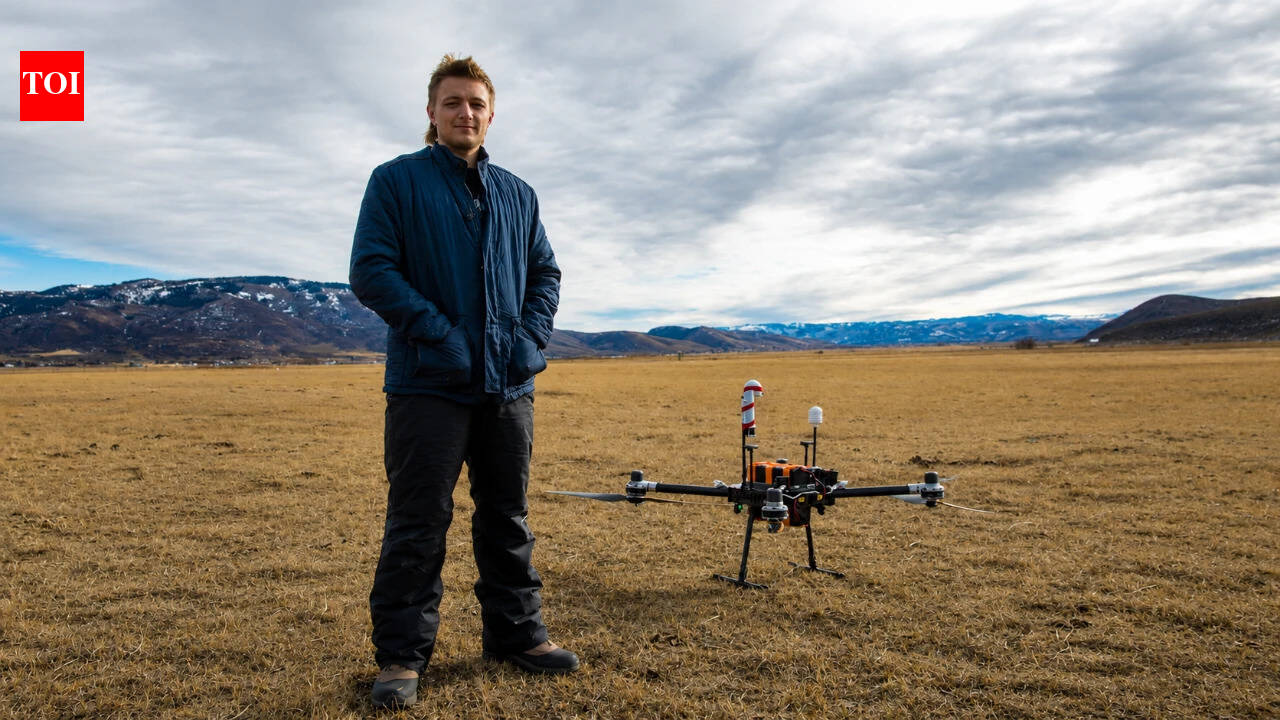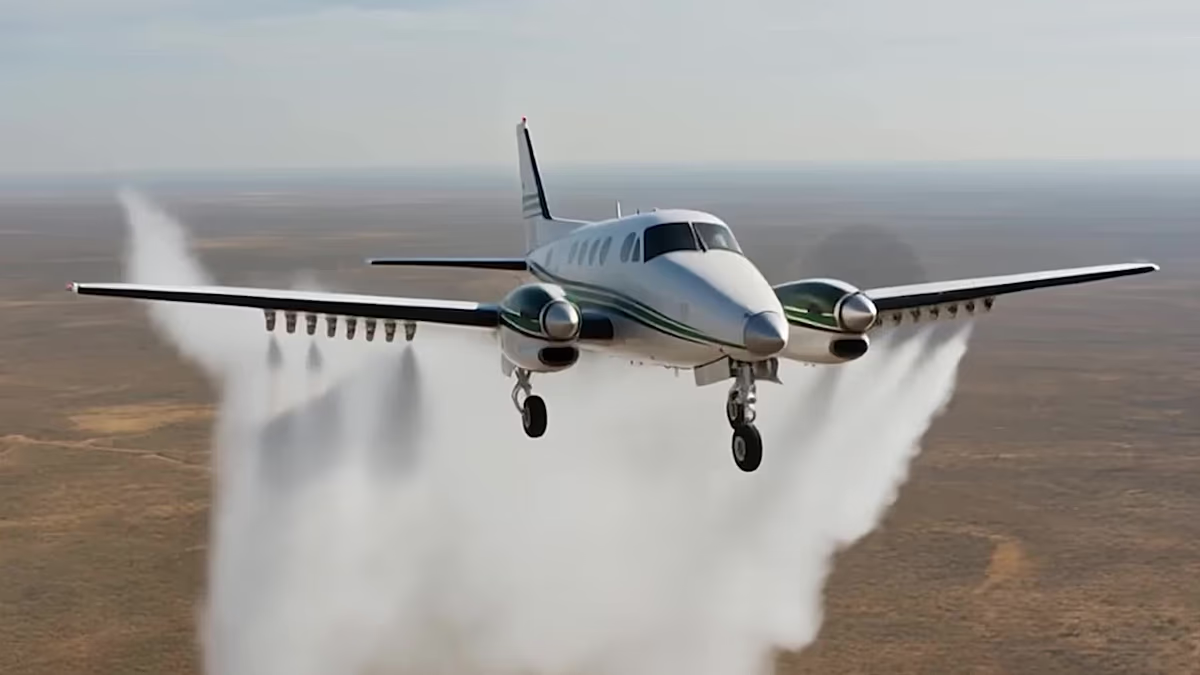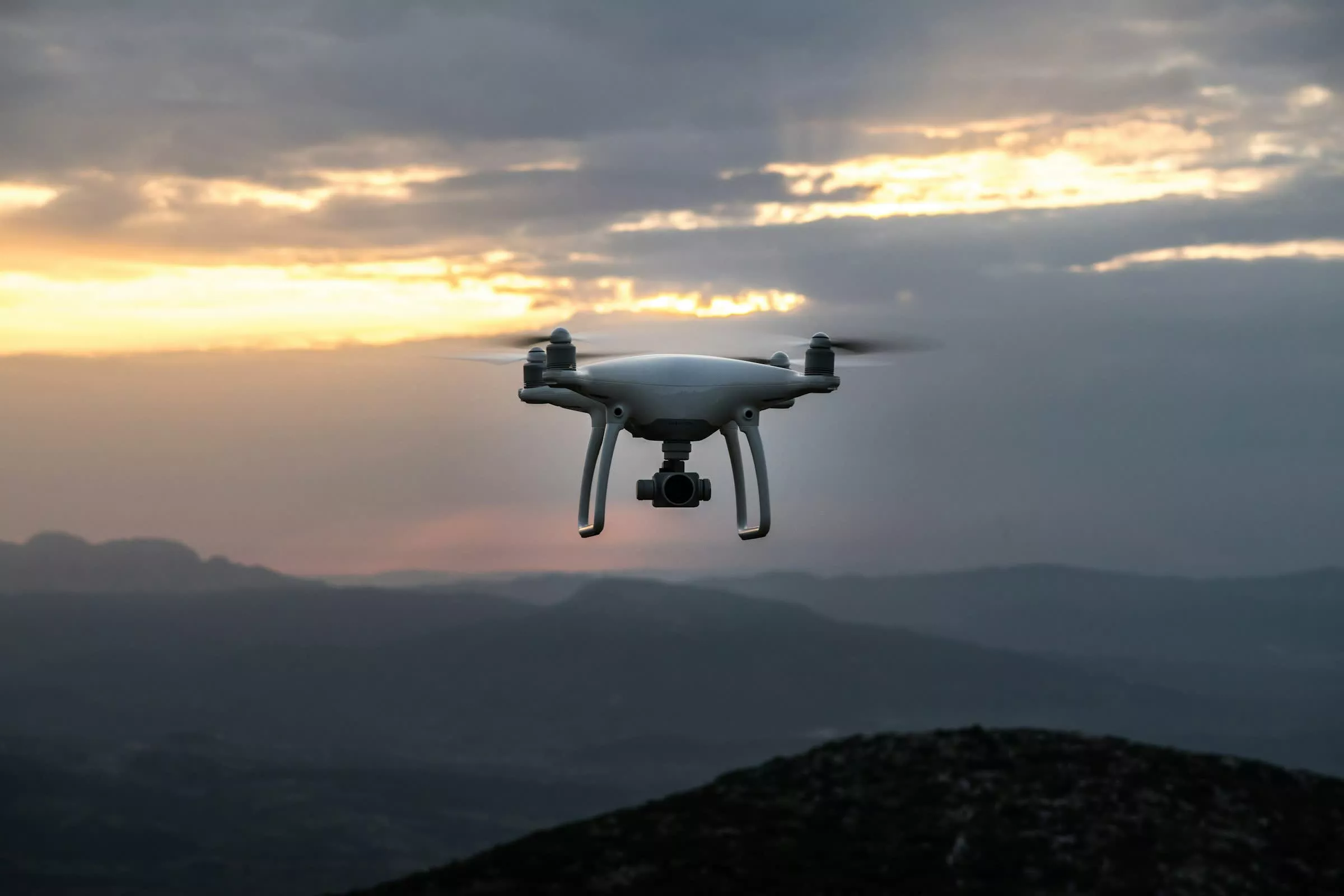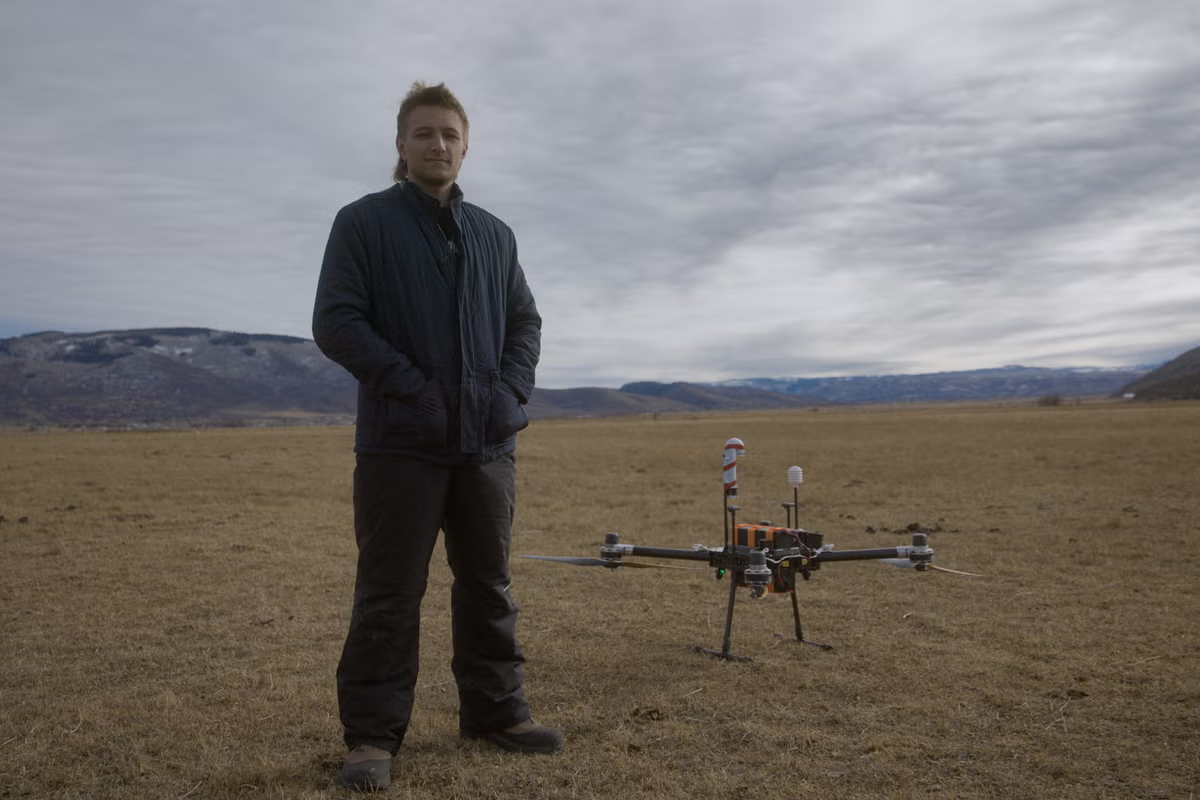
A Southern California start-up used high-tech drones to enhance a series of clouds in Alaska over the weekend, generating what it said was approximately 19 million gallons of water in three hours.The company, Rainmaker, argues the test is a breakthrough and proof that its tech will help fight drought and protect water systems across the country. “In the future, Rainmaker will protect and restore glaciers with man-made snowfall,” CEO Augustus Doricko wrote on X after the demo. “Immediately, this demonstration shows how Rainmaker will add new water to the Colorado River and Great Salt Lake in the coming months.”Rainmaker, which says it’s the first private company to “unambiguously prove” its cloud seeding technologies work at scale, conducted the test above Alaska’s Kenai Peninsula. It has previously conducted validated cloud-seeding in Utah, Idaho and Oregon, according to the company. Rainmaker uses drones and advanced weather-monitoring software to target clouds with silver iodide, which encourages the formation of ice crystals and ultimately precipitation as rain or snow. Rainmaker, a cloud seeding start-up, used drones in Alaska to generate roughly 19 million gallons of water in a recent test (Rainmaker)The company, founded in 2023, has inked contracts with Western states and water systems, and it has raised more than $50 million from investors.Rainmaker was previously the target of unfounded claims from conspiracy theorists that it caused deadly Texas flooding.It has spent an estimated $450,000 on federal lobbying in 2025, according to E&E News, and has funded advertisements in Washington, D.C. to make the case to the public and lawmakers about its technology. “People have had very, very legitimate questions about what cloud seeding is and whether it’s safe and whether it should be allowed at all,” Doricko told the outlet in January.The company hopes to use its technology to protect glaciers and fill drought-starved Western water systems (Rainmaker)“My first priority is just making sure that America and American farms and communities have the option to use this technology,” he added.Scientists and local officials have been experimenting with cloud-seeding since the mid-1900s.The climate crisis, coupled with advances in drone, weather monitoring and AI technology, have all helped spur a new wave of companies working on cloud-seeding.“We’re looking at a really, really kind of dire situation, drastic times and we’ve got to be smart with the water we have,” Joel Ferry, executive director of the Utah Department of Natural Resources, told The Washington Post earlier this year. “We can’t be stuck in kind of the old ways. And a big part of that is using cloud seeding.”The practice is regarded as a promising tool, though climate experts emphasize that cloud seeding alone cannot offset the impacts of the climate crisis and ongoing megadroughts. As The Independent has reported, another weather-modification practice, using aerosol particles to block out solar radiation, has also generated considerable investor interest and controversy.
Cloud seeding start-up uses drones to generate 19 million gallons of water in Alaska
The company says its technology will help refill the Colorado River and battle droughts across the West
472 words~2 min read