John Sirlin/Alamy
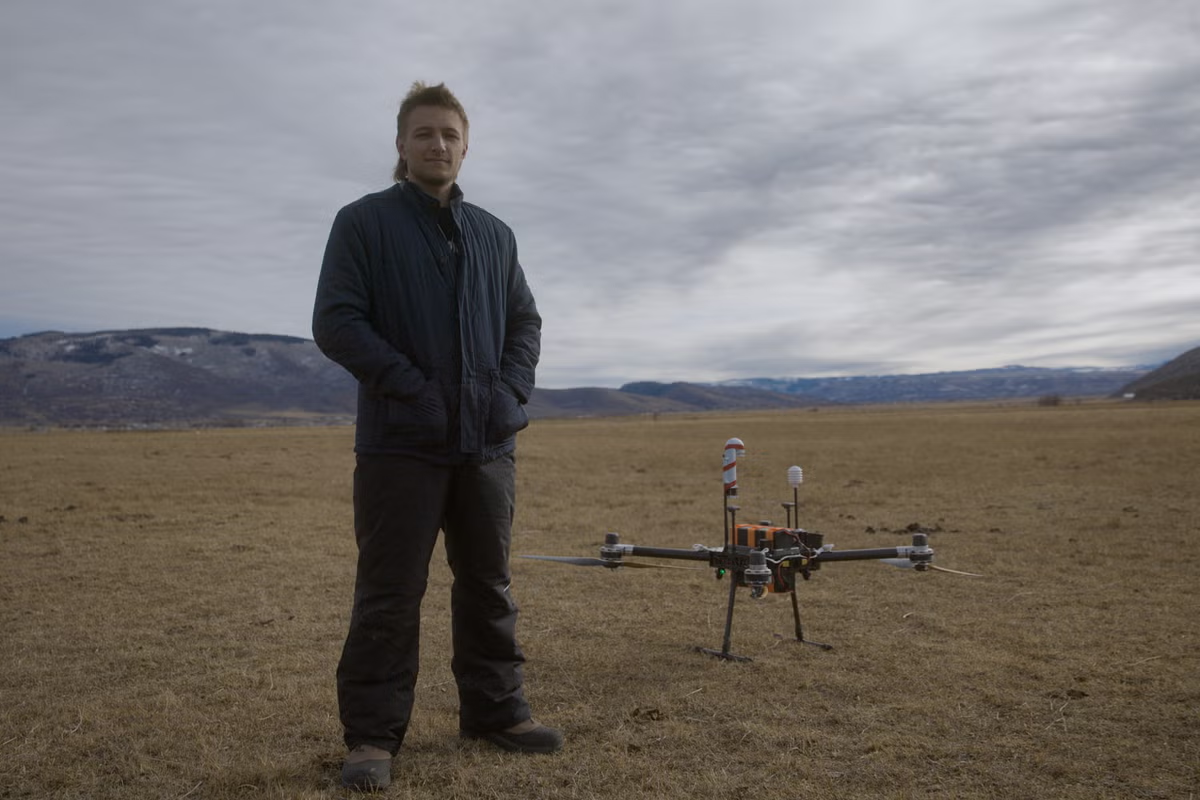
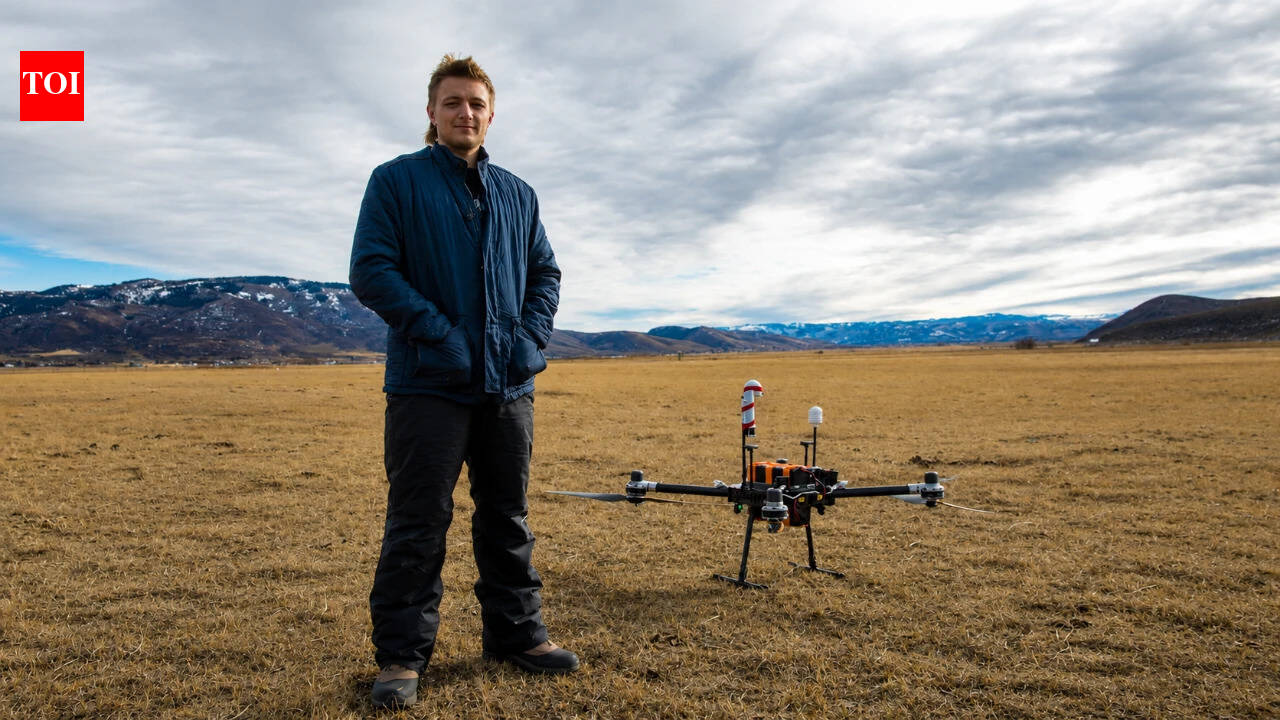
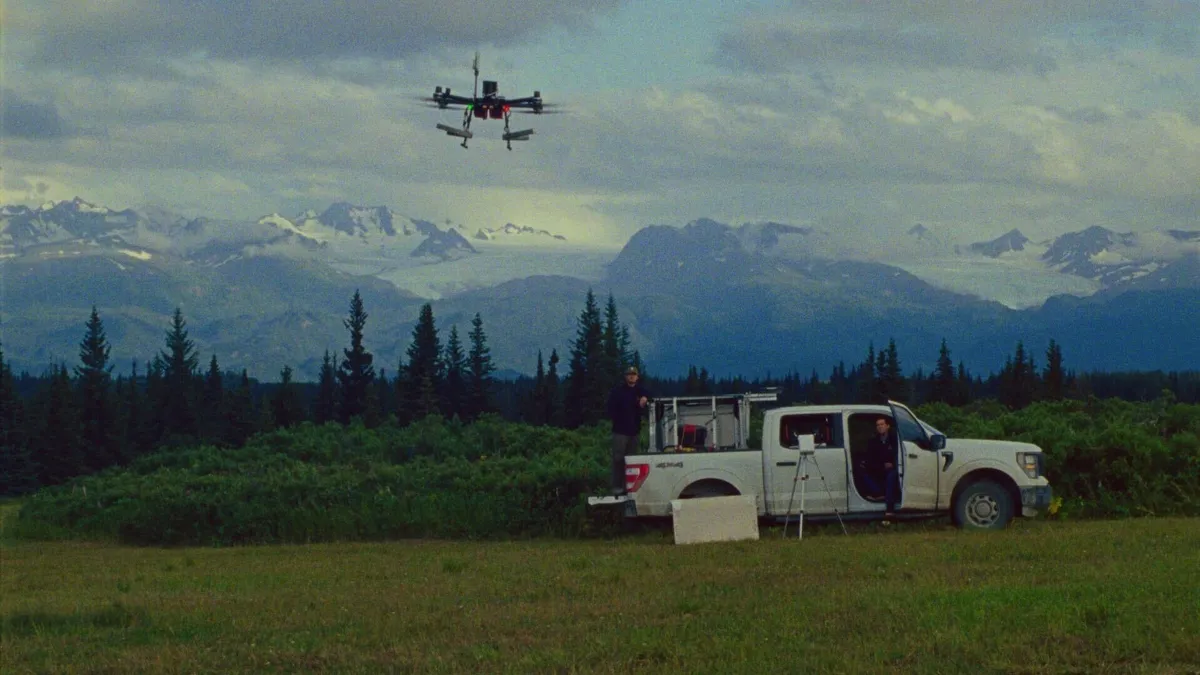
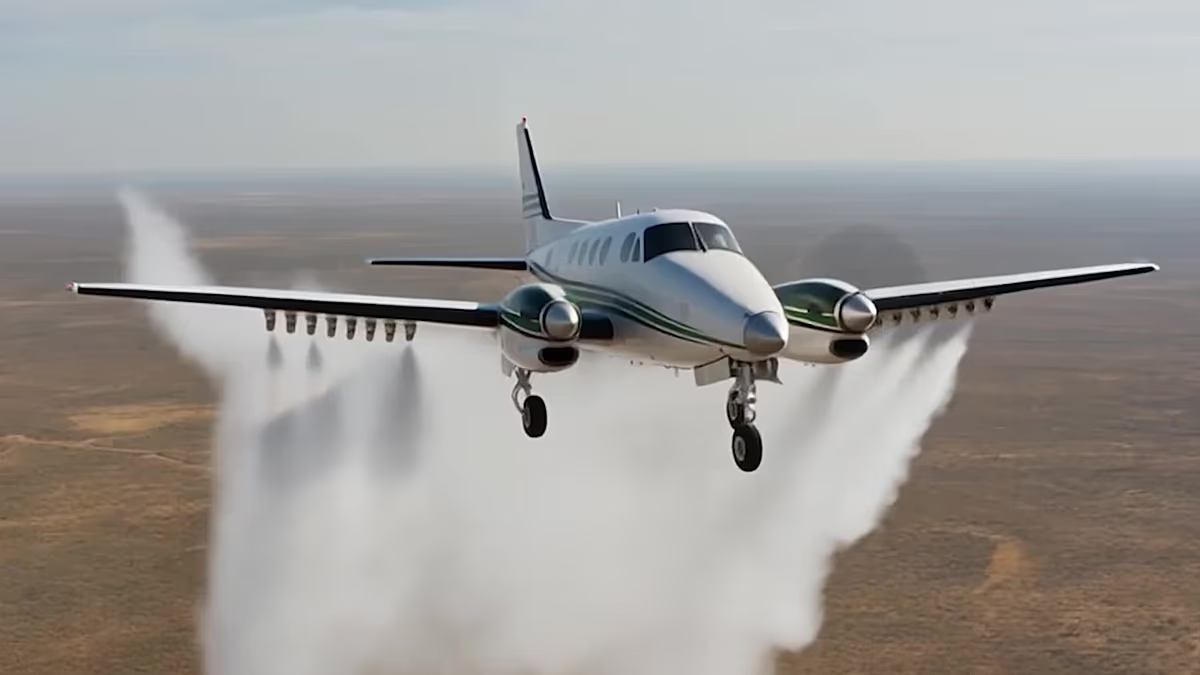
On a cold, windy night in November 2025, a quadcopter drone with special anti-icing propellers took off from a farm field at the foot of the Bannock mountain range north of Salt Lake City, rising 4000 metres into thick clouds. A fan kicked into action, blowing yellow dust out of a cannister attached to the back of the drone. Cloud-seeding company Rainmaker was trying to fight dust with dust, spreading silver iodide powder to encourage precipitation and end the deadly dust storms plaguing Utah’s capital.
The Great Salt Lake, which is fed by snowmelt from the Bannock mountains and nearby ranges, has roughly halved in area since 2012. Wind blows toxic dust from the dried lakebed towards Salt Lake City, exposing millions of people to “forever chemicals” and heavy metals like arsenic. But cloud seeding “can refill the lake”, Rainmaker, which is contracted by the state, has promised on billboards.
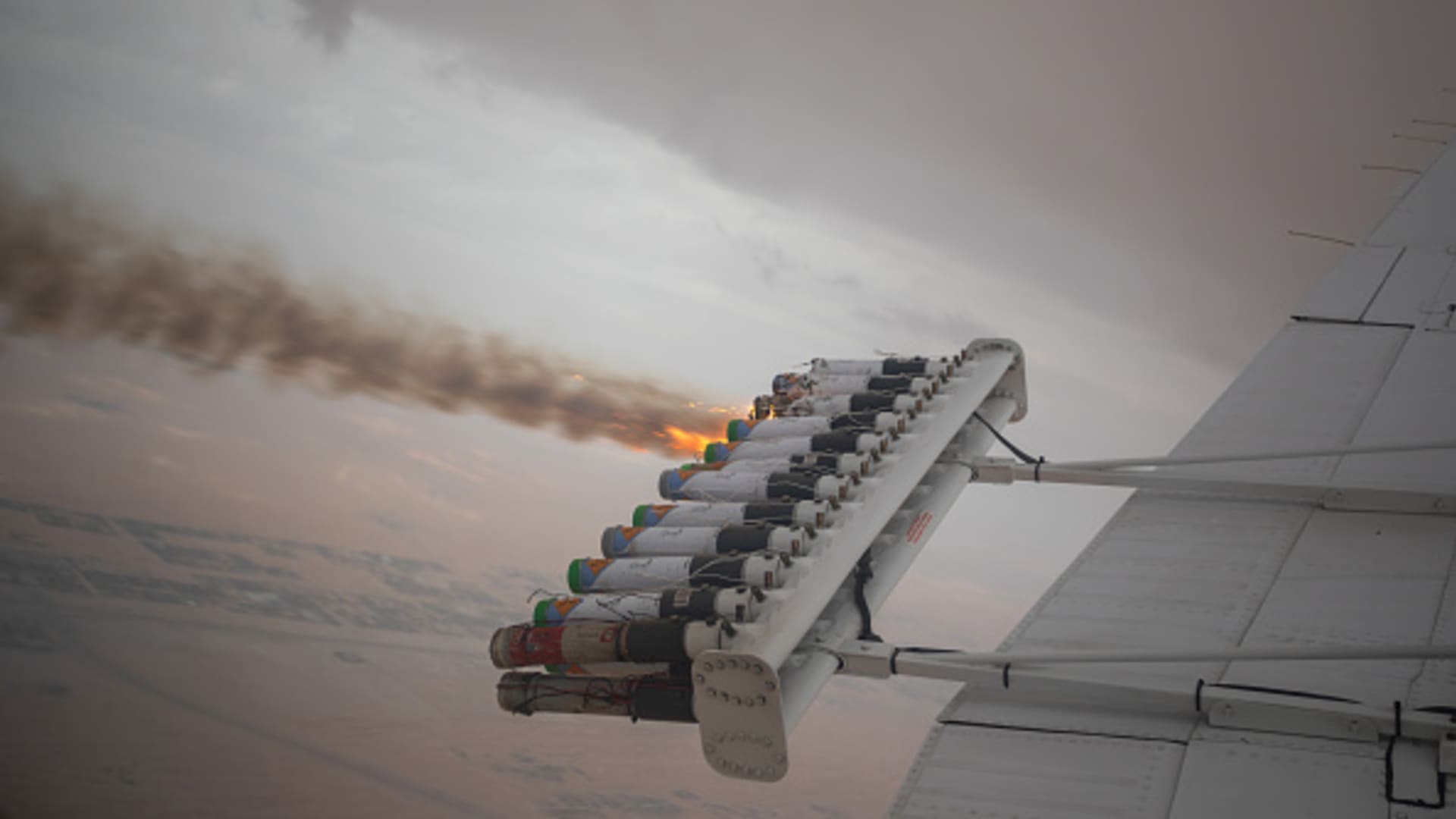
Drought in the south-west US is symptomatic of an era of global water bankruptcy, with over 50 countries now collectively investing hundreds of millions of dollars in cloud-seeding technology. Yet the jury is still out on whether rainfall can be engineered in any meaningful way. “What we don’t know about cloud seeding is how effective it is,” says Kaveh Madani at the UN University Institute for Water, Environment and Health. “But when you’re desperate, it sounds very good.”