Scientists have uncovered a new driver of aridification, potentially reshaping how drought across the globe is understood.
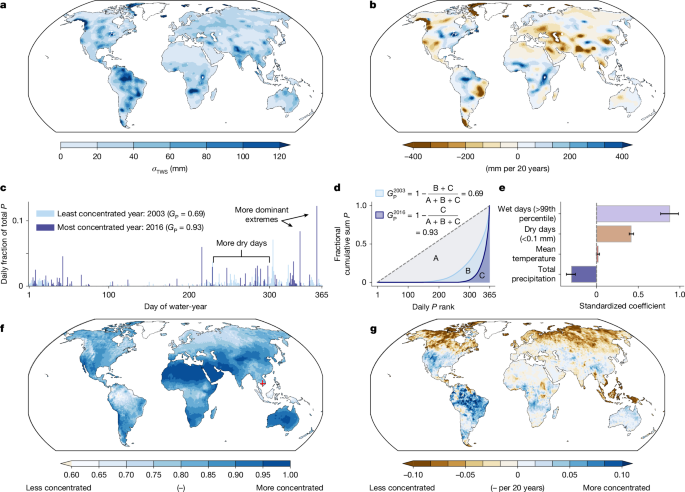
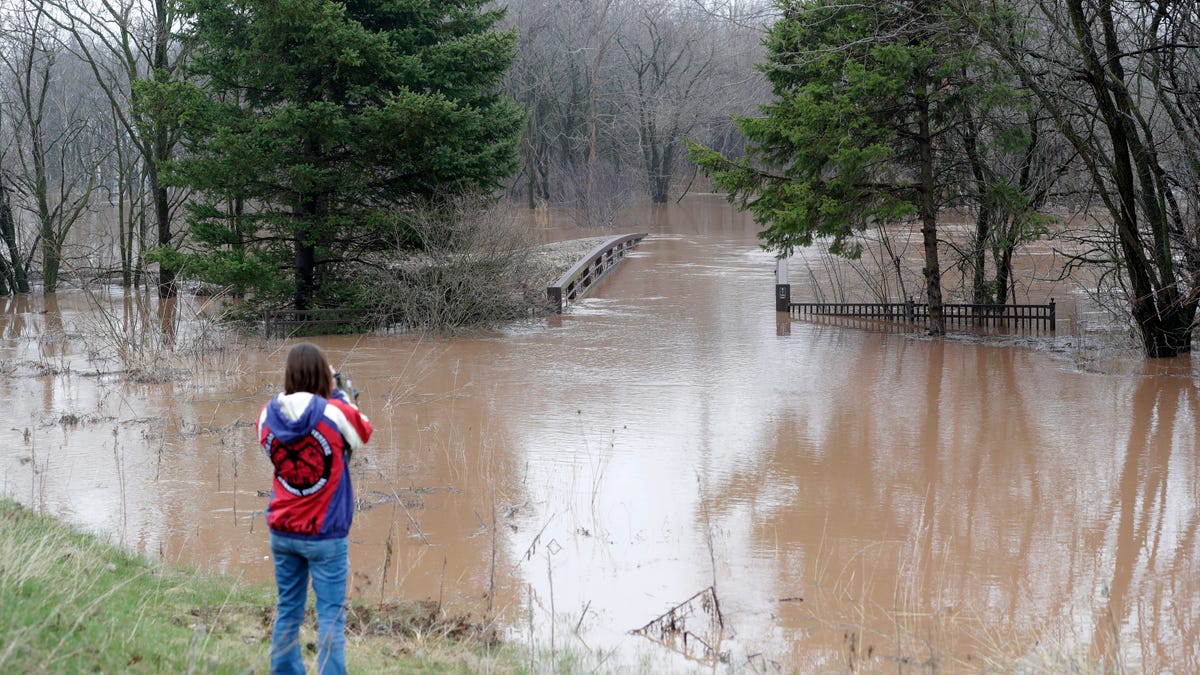
A new study published Wednesday in Nature by a pair of researchers from Dartmouth College and the Université du Québec à Montréal shows that changing precipitation concentrations exert an important influence over landscape moisture retention. When an area receives its annual moisture in a small number of large, wet storms, it can overwhelm the soils, creating pools of water on the land surface. These exposed pools are more prone to evaporation, meaning water that would otherwise reach streams, rivers and dams drifts back into the atmosphere.
When paired with long dry spells, these storms dry out landscapes, even though total precipitation hasn’t necessarily changed, the researchers found.
“If you’re asking the land to drink from a fire hose, whether that’s through highly concentrated precipitation falling from the sky or rapid snowmelt, you’re going to lose water,” said Justin Mankin, an associate professor of geography at Dartmouth and the study’s senior author. “It is just a feature of the world that as you concentrate rainfall, less of it goes into the land.”
Using several precipitation datasets, Mankin and his co-author, Corey Lesk, a professor of Earth and atmospheric sciences at the Université du Québec à Montréal, determined where on Earth annual moisture was concentrating, and where yearly rain and snow totals were spreading out across the calendar.