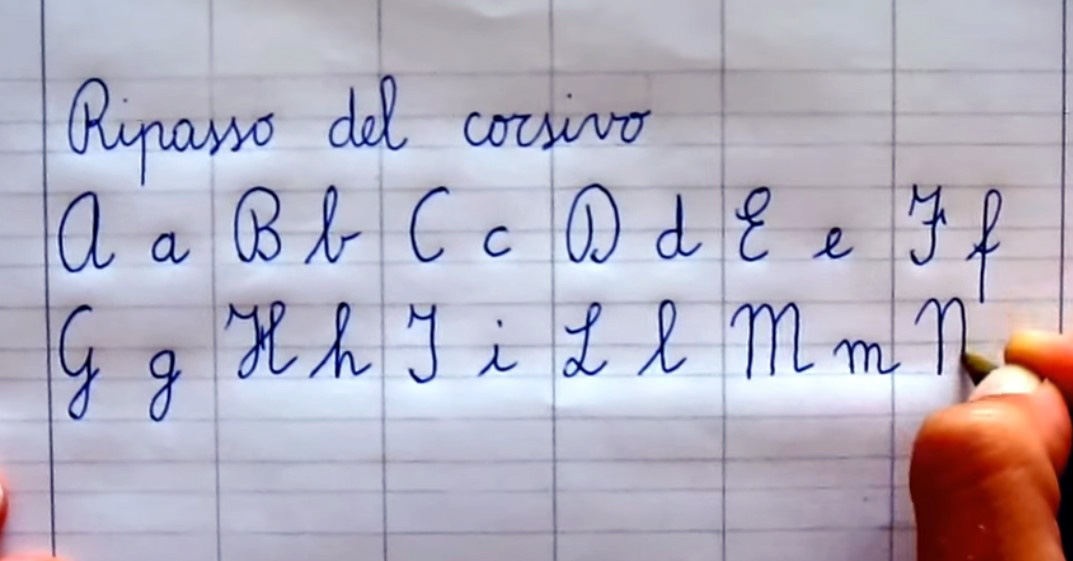
Until the early 20th century, children in the U.S. were generally taught to write in cursive or script, rather than the print writing typically taught to young children today. Some people at the time thought a person’s character could be evaluated based on the quality of their cursive.In the first half of the 20th century, penmanship was often taught as a distinct subject in American elementary schools, where children could spend as much as 45 minutes a day on handwriting instruction and practice.Students during these years generally learned print in kindergarten, first and second grade. Cursive was typically introduced in third or a later grade, in part because some child development researchers at the time believed that writing in print was easier for young children to learn and aligned with the fonts they found when reading.My experience is no longer typical, though, as cursive instruction has become less popular over the past few decades. Some states and schools, though, are reconsidering the value of cursive for today’s students.Elementary schoolchildren watch their teacher write cursive at a blackboard in Washington, D.C., in a 1899 photo. Heritage Art/Heritage Images via Getty Images
Cursive's unlikely AI-fueled comeback, explained | Fortune
More than 25 states now require cursive. The science backing it is dodgy, to say the least.
1,016 words~5 min read