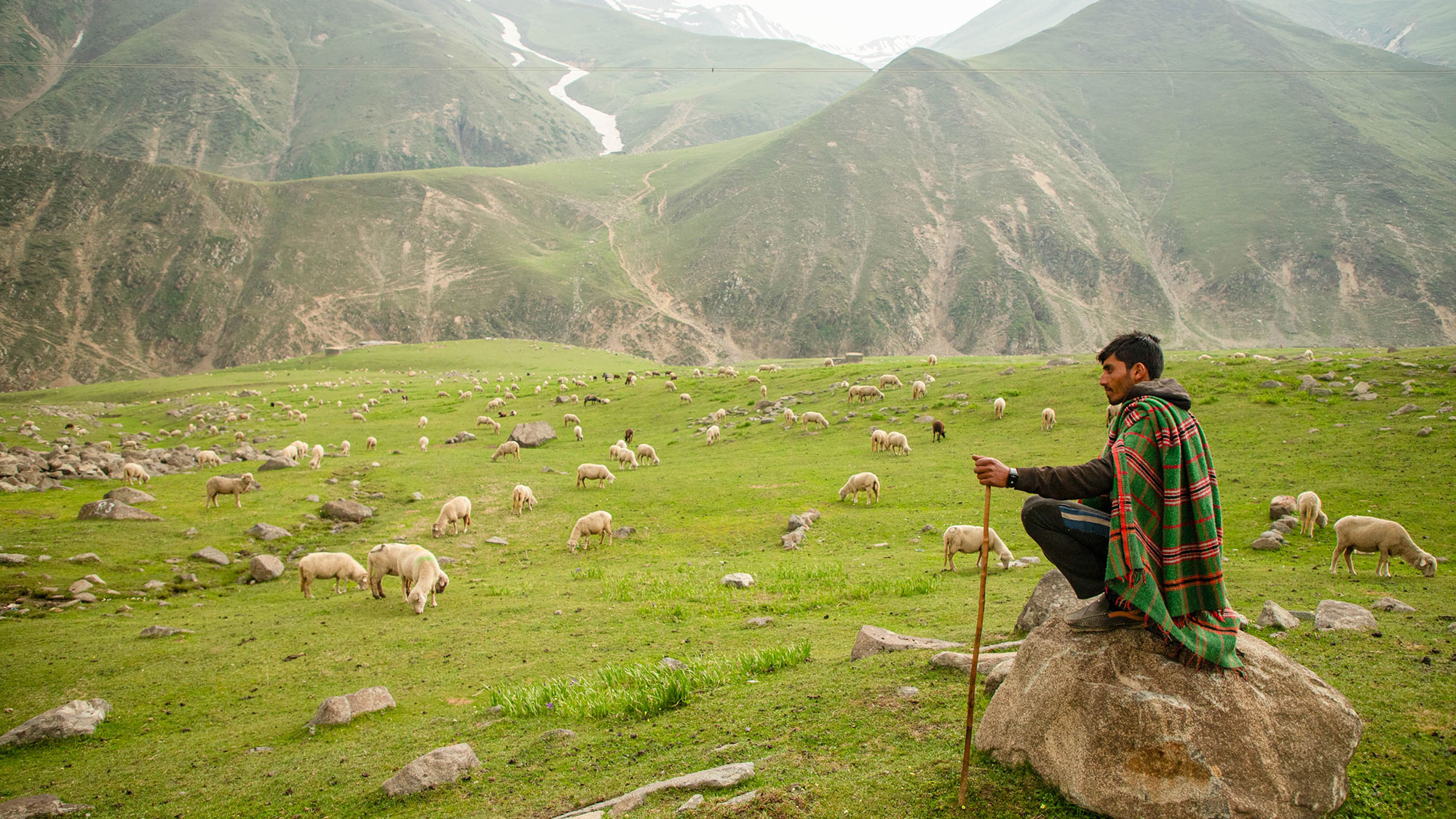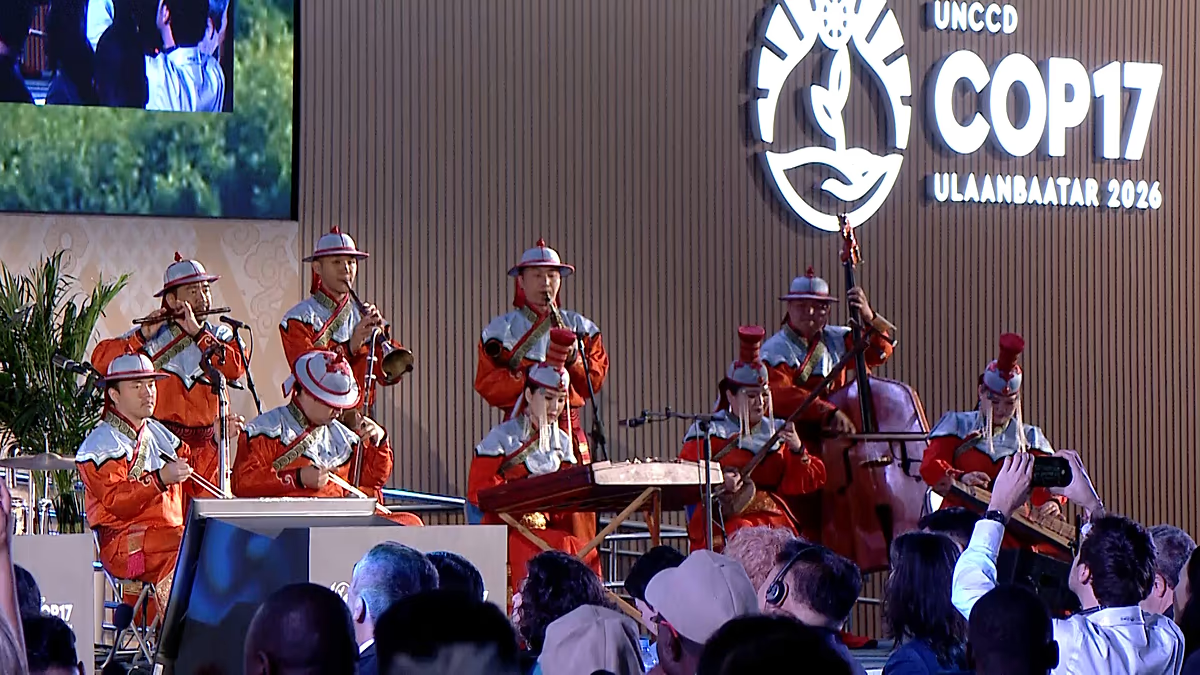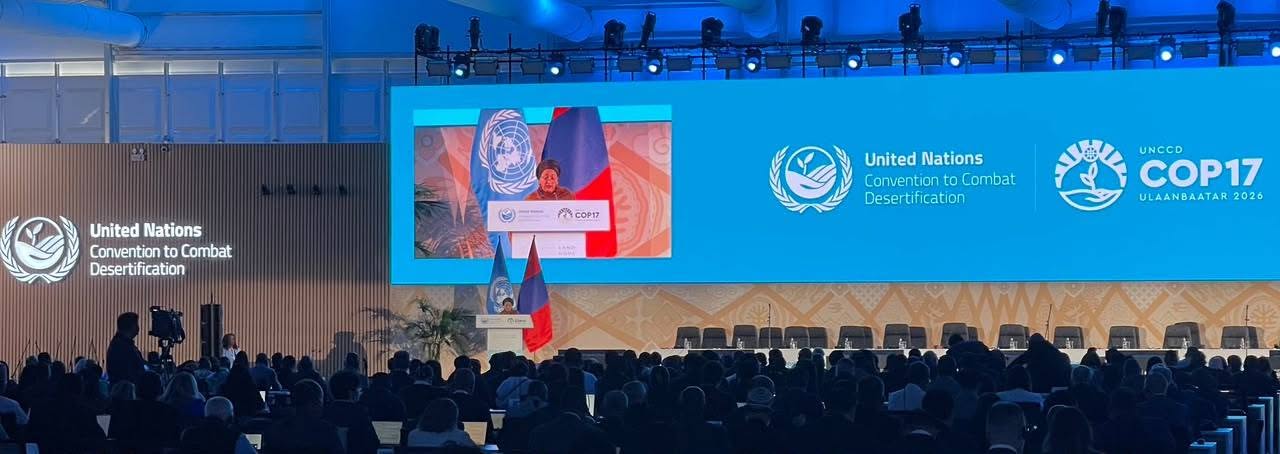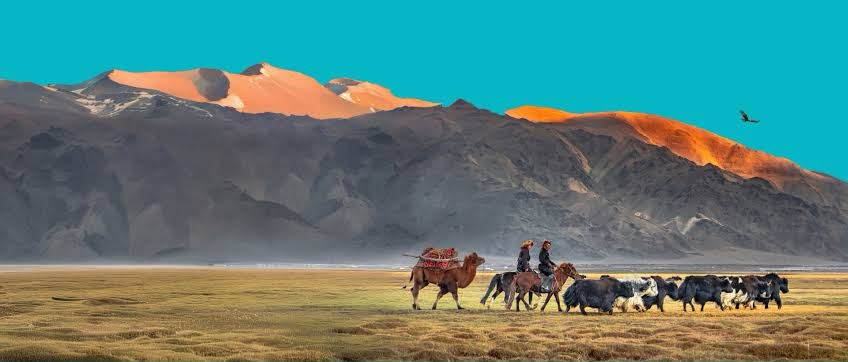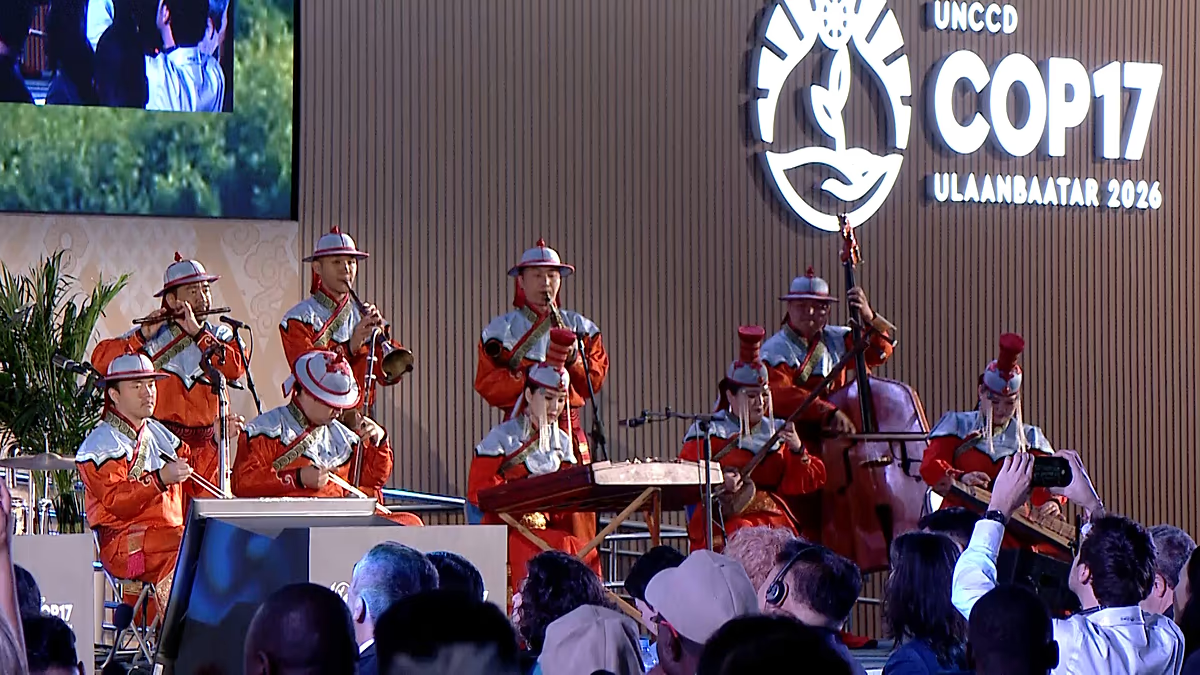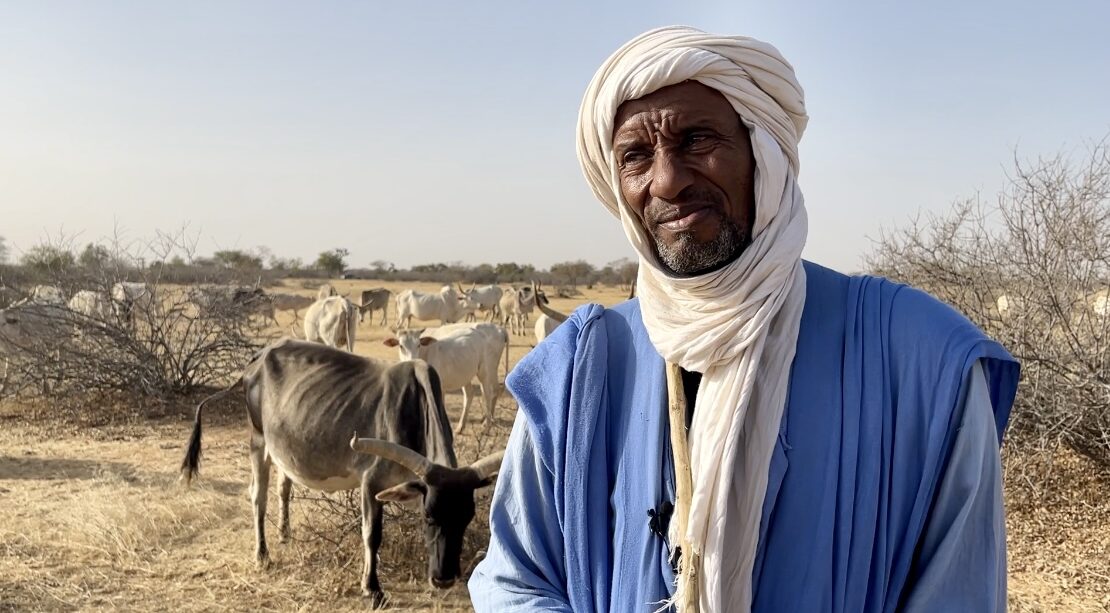
Hundreds of pastoralists are in Mongolia for the U.N. Convention to Combat Desertification, or UNCCD, from Aug. 17 to 28, 2026.They want stronger protections for Indigenous pastoral traditions, greater access to funding and resources to address climate change, and official recognition of Indigenous knowledge of how to adapt to a hotter, drier world.The pace of arable land degradation is 30 to 35 times the historic average, threatening even the most resilient communities, according to the U.N.Pastoralist delegates say that though their traditions offer biodiversity benefits, traditional knowledge is not always enough as climate change and land degradation accelerate.
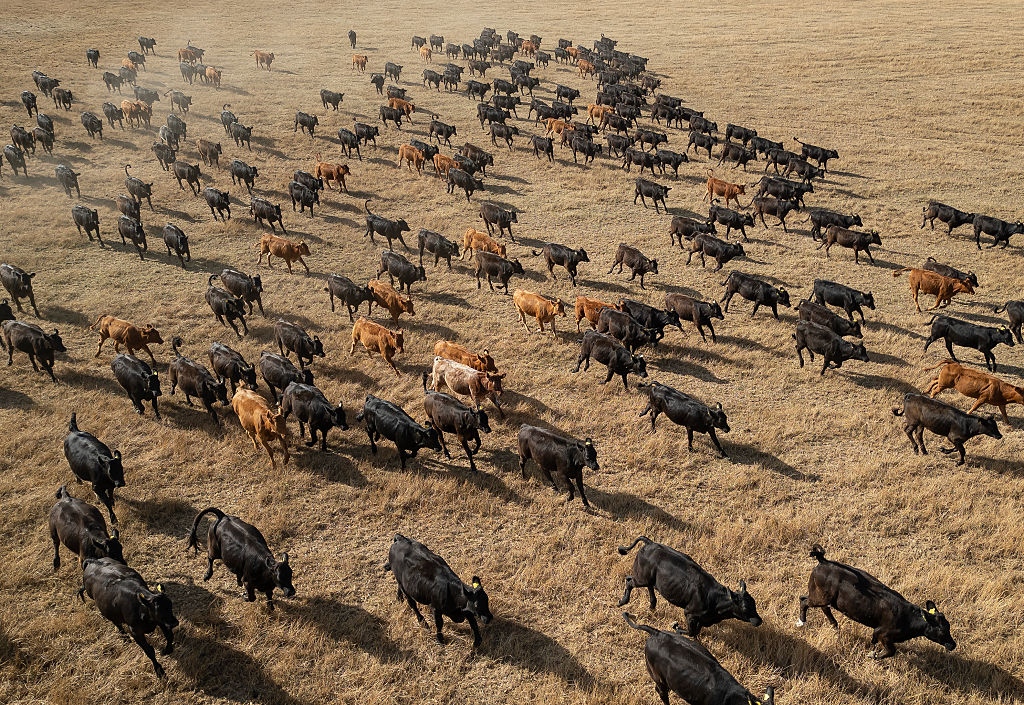
Cattle are a central part of the identity of Andrew Msami’s Maasai community in northeast Tanzania. Herd size determines social position, and many people keep all their wealth in livestock, not banks.
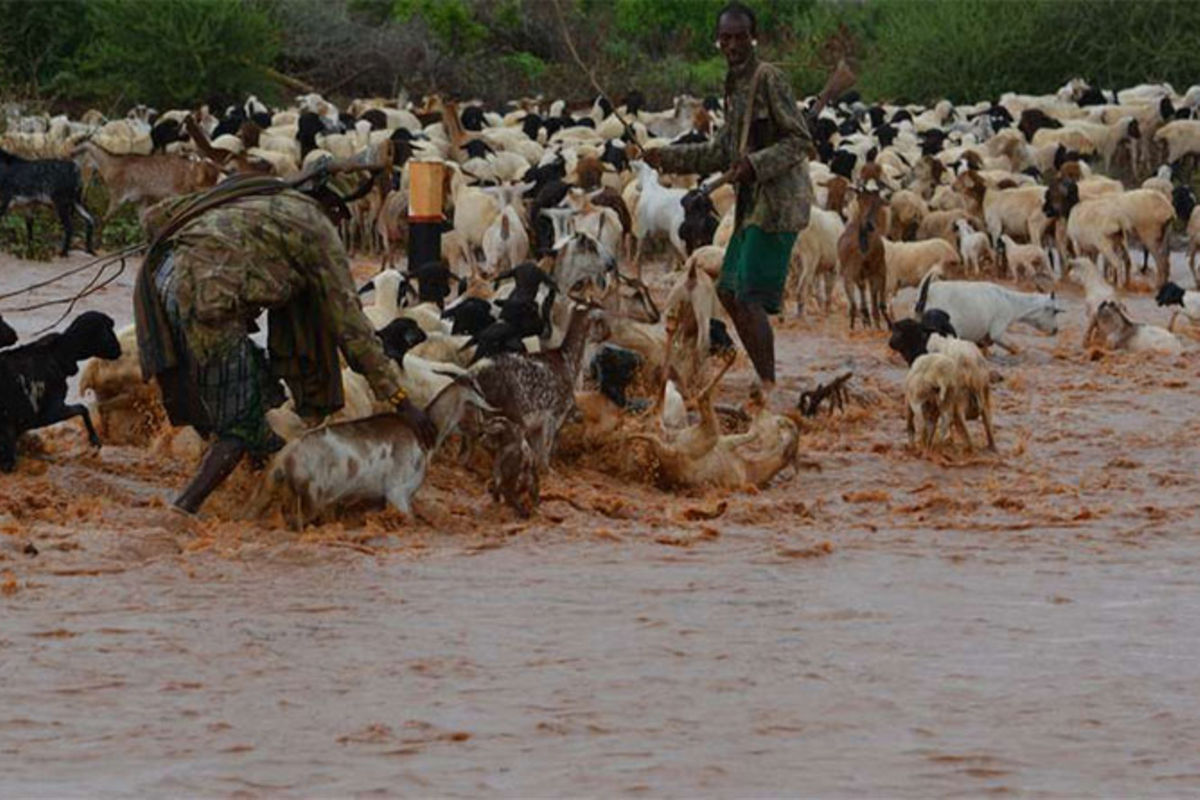
In recent years, however, Msami and others have been forced to sell the animals and buy goats, which can handle drought better but are less financially and culturally valuable. Msami says adapting to a shifting climate has been a part of Maasai life for generations, but recent conditions represent an existential threat.
“We have to adapt because it’s like desertification is attacking our identity,” Msami told Grist. a U.S.-based nonprofit media organization. “If you lose your identity, it means you have lost everything.”