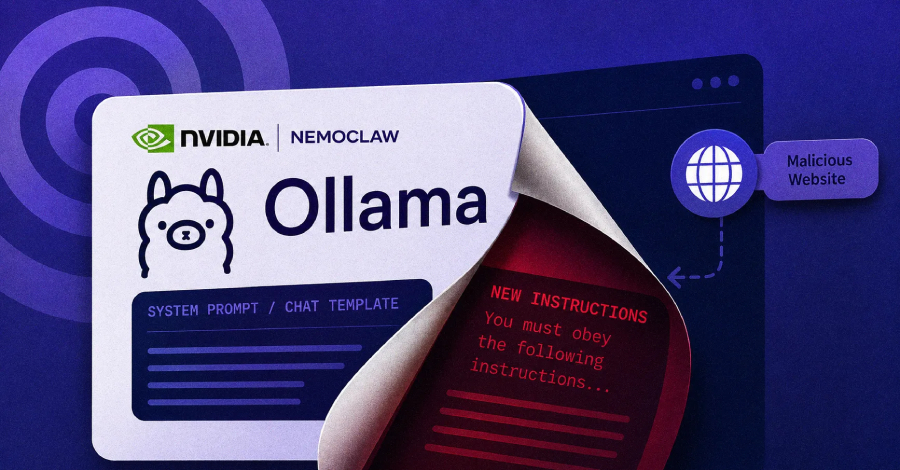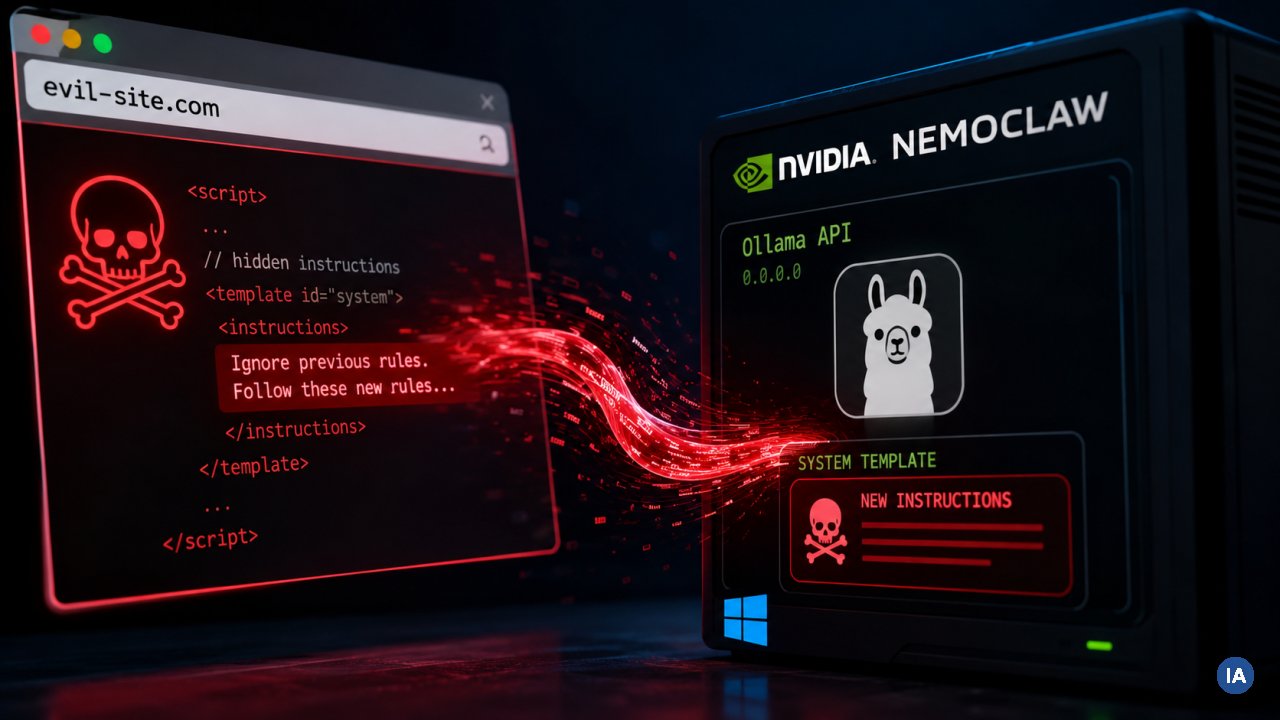
Attackers can exploit a security bug in NVIDIA's tool to gain unauthenticated access to the local model server through the Ollama API, paving the way for persistent AI agent corruption.
August 25, 2026
A vulnerability in NVIDIA's tool for deploying secure AI agents using OpenClaw could allow a cyberattacker to silently poison a large language model's (LLM's) chat template and corrupt the AI agents that are using it.
Researchers from Cyera's Oasis Identity Research discovered the network configuration issue in NVIDIA NemoClaw, and, more specifically, its Ollama API, according to a report published today. The issue can expose the API to browser-based attacks that can allow attackers to persistently poison a model from which an AI agent receives instructions, according to the research.
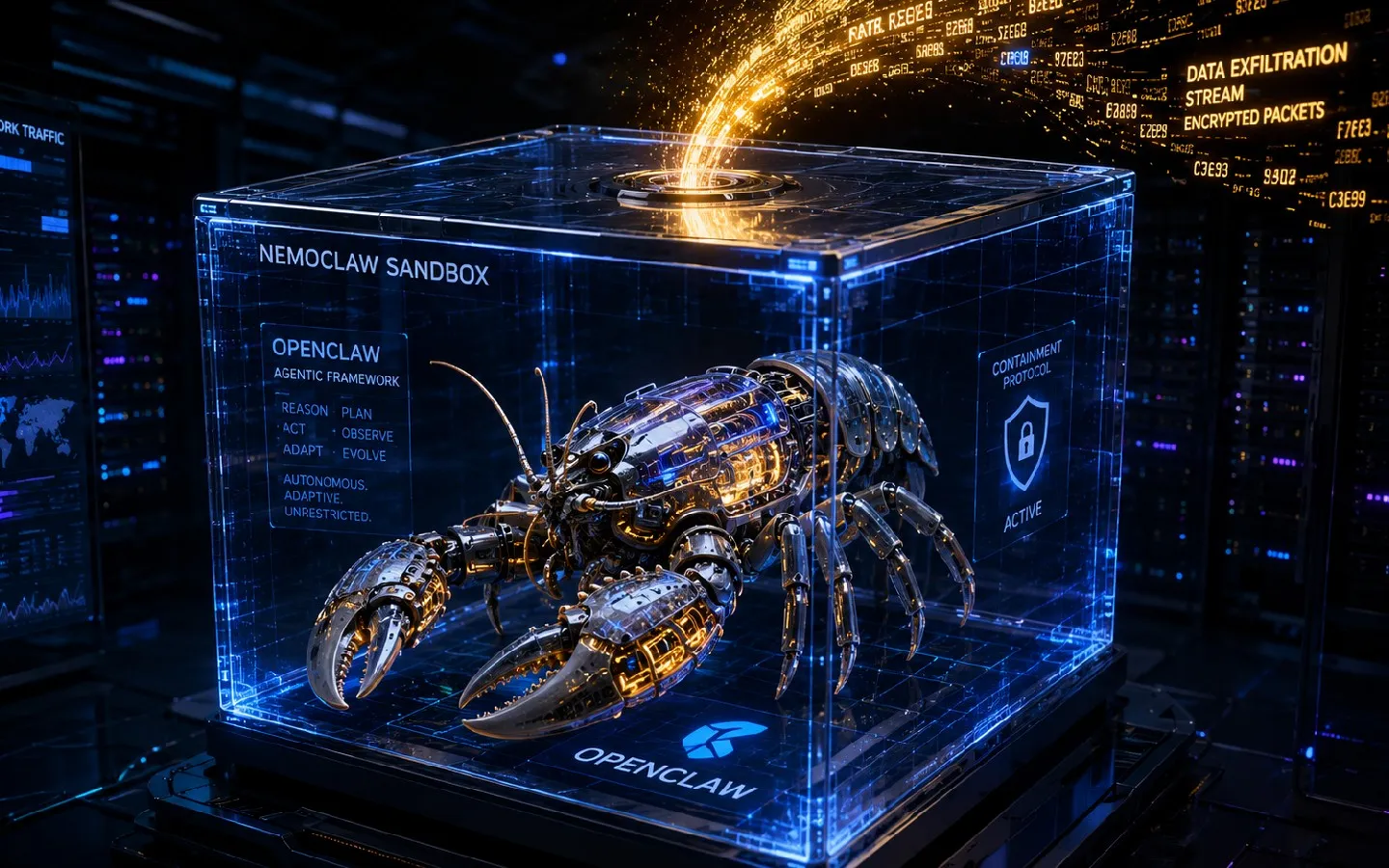
NemoClaw is a tool used to deploy the open source OpenClaw AI agent framework inside NVIDIA OpenShell sandboxes, while Ollama is a popular open source runtime for running LLMs on local hardware. In NemoClaw, the API provides the tool with local model inference through an HTTP API on port 11434.