For the past two years, the generative artificial intelligence boom has largely been defined by a single market. Hyperscalers have dominated the market with massive capital spending.
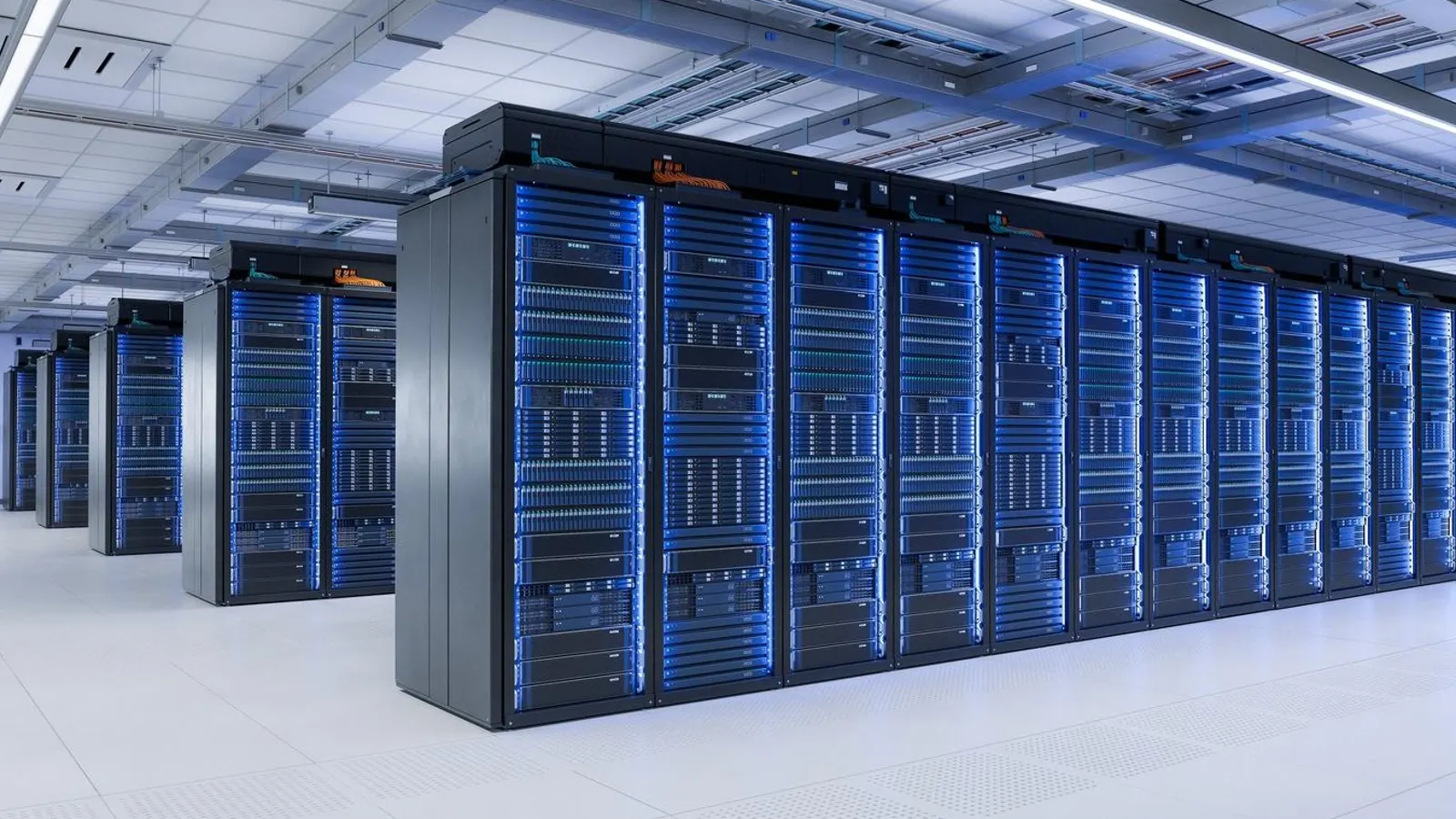
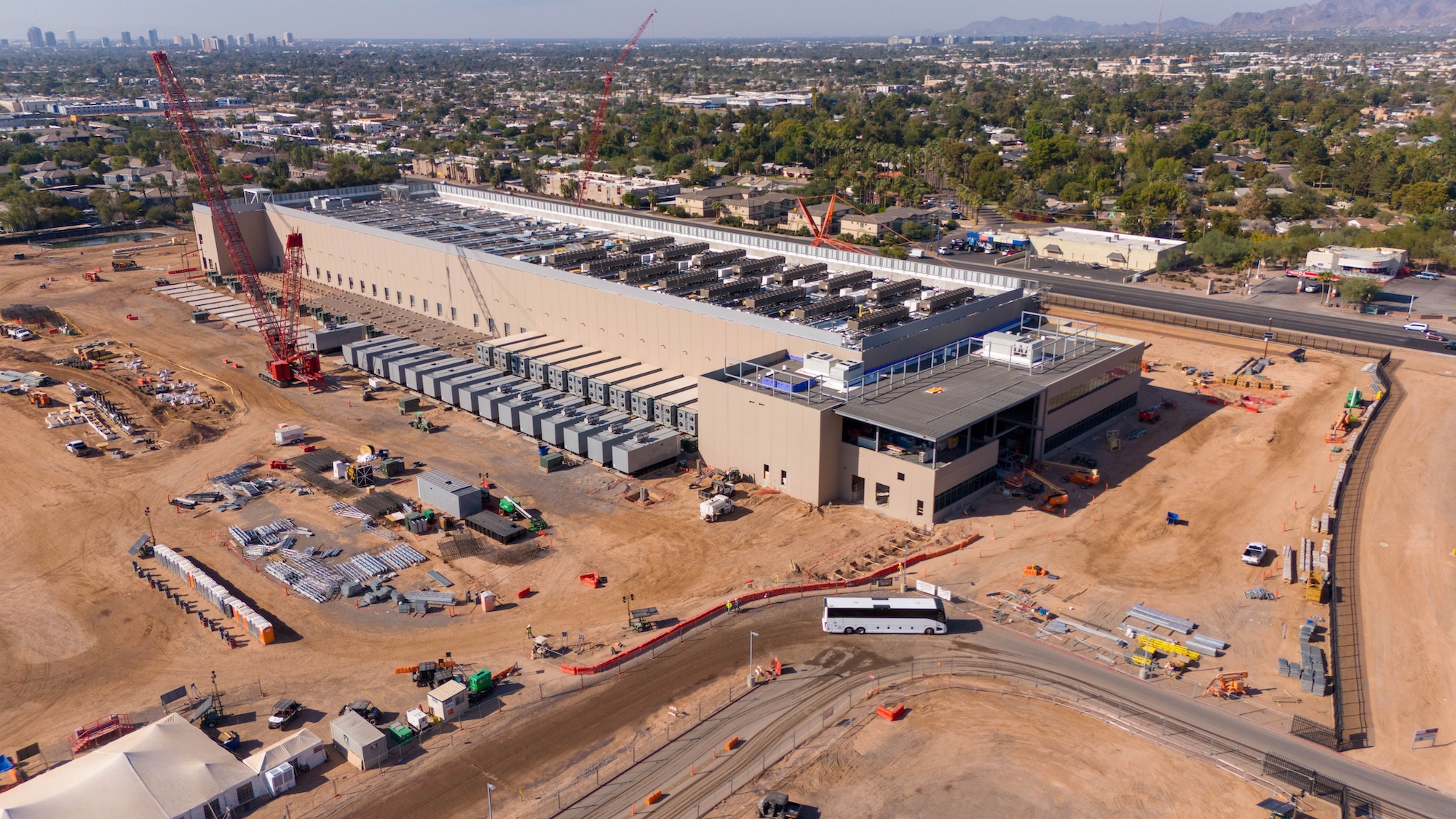
According to CreditSights, the five largest U.S. hyperscalers — Amazon Web Services Inc., Microsoft Corp., Google LLC, Meta Platforms Inc. and Oracle Corp. — are on pace to spend roughly $700 billion to $800 billion in capital expenditures this year, with about three-quarters of that spending tied directly to AI infrastructure. An Allianz report also found that hyperscalers and large tech service providers now absorb about two-thirds of all AI spending. The tech giants have spent billions building custom liquid-cooled mega-clusters to train frontier models, leaving everyone else scrambling for access to raw compute.
Though hyperscalers were early drivers of the AI hardware gold rush, the market is shifting. The next phase of AI infrastructure growth is moving beyond the public cloud giants toward “distributed AI builders” — a market that includes sovereign clouds, neoclouds, AI service providers and, increasingly, mainstream enterprise data centers.
However, enterprises and neocloud providers face severe headwinds when building modern AI infrastructure. Massive-scale workloads, such as multi-agent frameworks and trillion-parameter models, require high-density, liquid-cooled environments. At the same time, enterprises face data sovereignty challenges because they cannot simply upload their core intellectual property to public frontier models without risking their competitive advantage. Finally, a persistent shortage of specialized network engineering talent makes deploying bespoke, complex graphics processing unit clusters a high-risk venture.