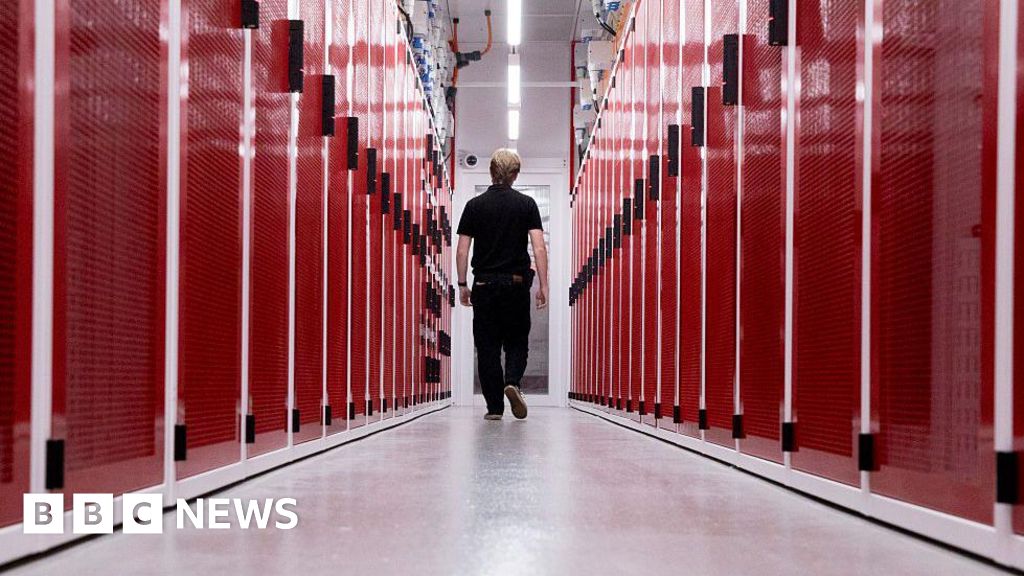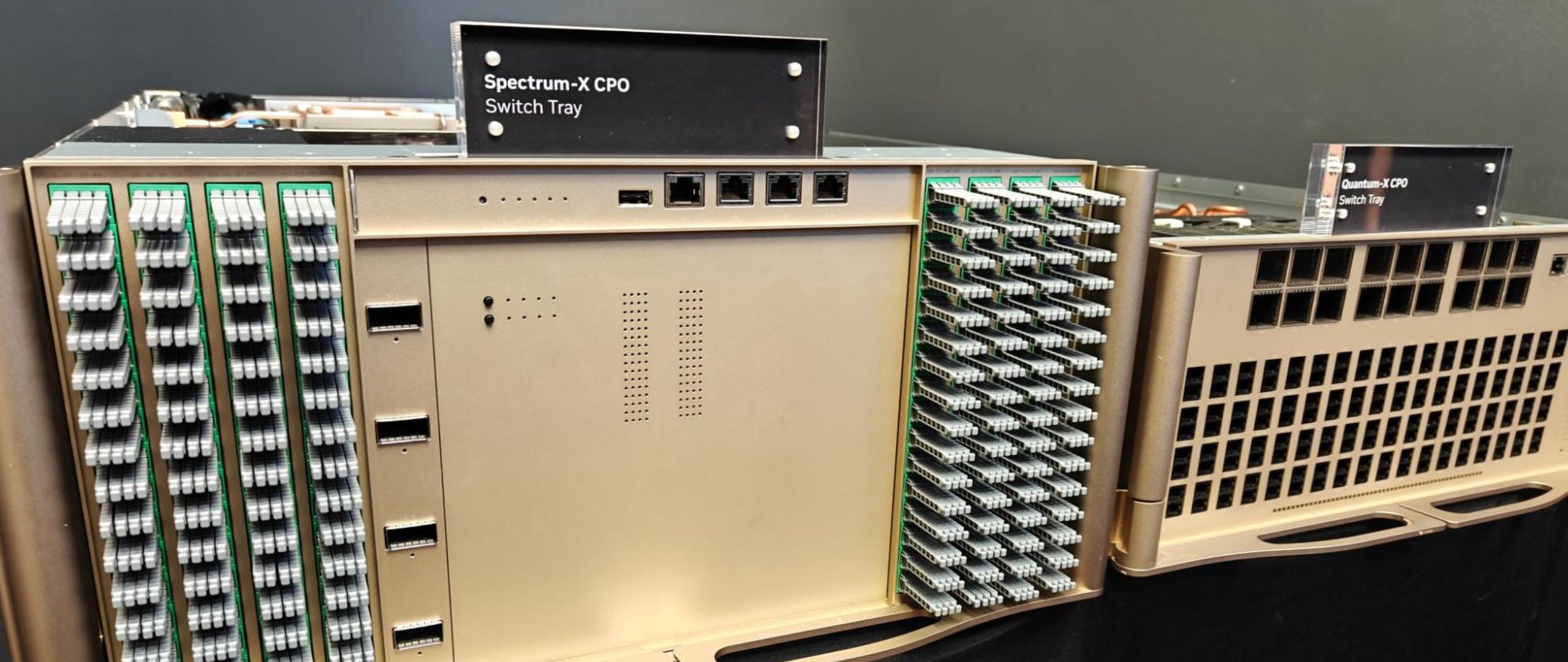
There's a certain irony unfolding in the data center industry right now: as powerful AI chips have gotten ever smaller and denser — Nvidia's Blackwell architecture packs 208 billion transistors onto a single GPU — AI data centers have gotten bigger. A lot bigger. Yet powerful GPUs tailored for AI inference also unlock a very different and seemingly opposite possibility: high-performance yet small data centers. And lots of 'em.
They go by various descriptors: micro Edge, nano Edge, neocloud. But their growing importance for pure Edge and hybrid cloud use cases is undeniable. Especially at this moment in time.
With historic power backlogs and growing community pushback creating issues for planned hyperscale facilities, the promise of small, distributed data centers at the Edge is gaining traction. While many have tried and failed to use this ‘jumbo shrimp’ model in the past, Edge deployments are freshly viable as chips become far more powerful, and yet ever smaller.
Today, it’s possible to do what was previously unthinkable: mount 50 GPUs of compute in a single rack, enabling workloads that include compute-intensive vision models. What’s more, in today’s fast-growing AI data center landscape, “micro Edge” data centers already are processing data and running AI inference closer to end users, enabling government agencies, companies, and data center operators alike to better serve future users with ultra-low latency and improved data security.