The sneaker industry is in turmoil.
This summer, major shoe brands from Nike to Adidas to Under Armour to On have each expressed skittishness about the retail environment for sneaker sales. Consumers appear unwilling, or unable, to pay full price for athletic shoes. And on Tuesday, the chairman at Dick’s Sporting Goods—one of the largest global retailers selling sports gear—put a fine point on it: “This industry is going through a bit of a transition.”
This transition follows a multiyear saga initiated when sneaker behemoth Nike initially pulled back from wholesale, opening shelf space for upstart brands like Hoka and On.
For a few years, that created lots of competition and new styles for consumers to choose from. Other legacy brands like Adidas saw success with refreshed classics like the Samba, and Nike eventually came back into the retail fold. But the consumer excitement from these changes appears to be waning.
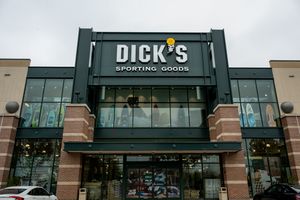
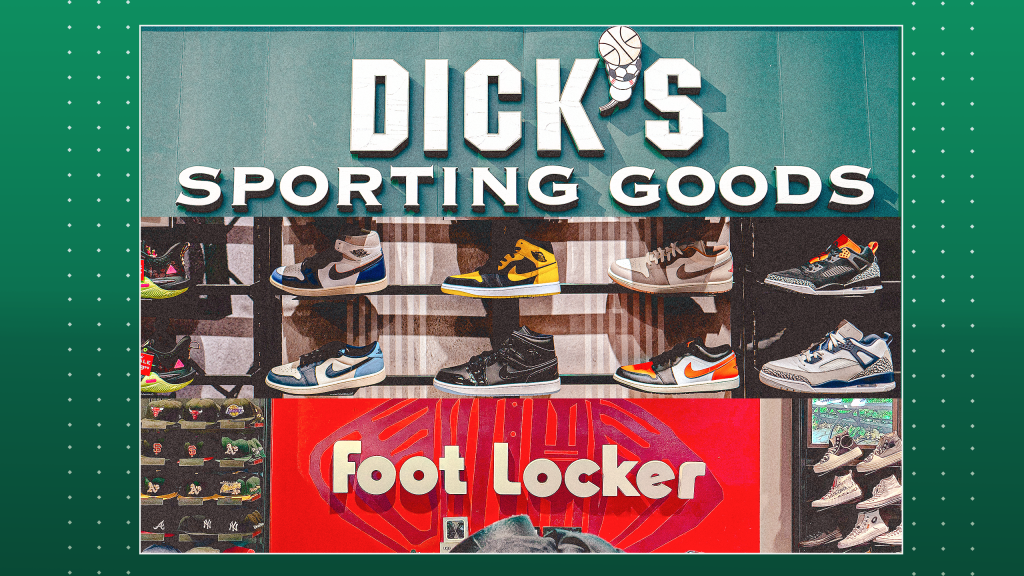
Dick’s Sporting Goods and its subsidiary chain Foot Locker, which together operate some 3,100 stores globally, reported weaker-than-expected earnings results on Tuesday and gave a surprisingly dim outlook for the rest of the year, particularly at Foot Locker, whose primary business is sneaker sales. Pro-forma comparable store sales at Foot Locker are now expected to be flat or decline 2% for fiscal year 2026 over 2025, compared to the previous forecast of 1.5% to 3% growth.