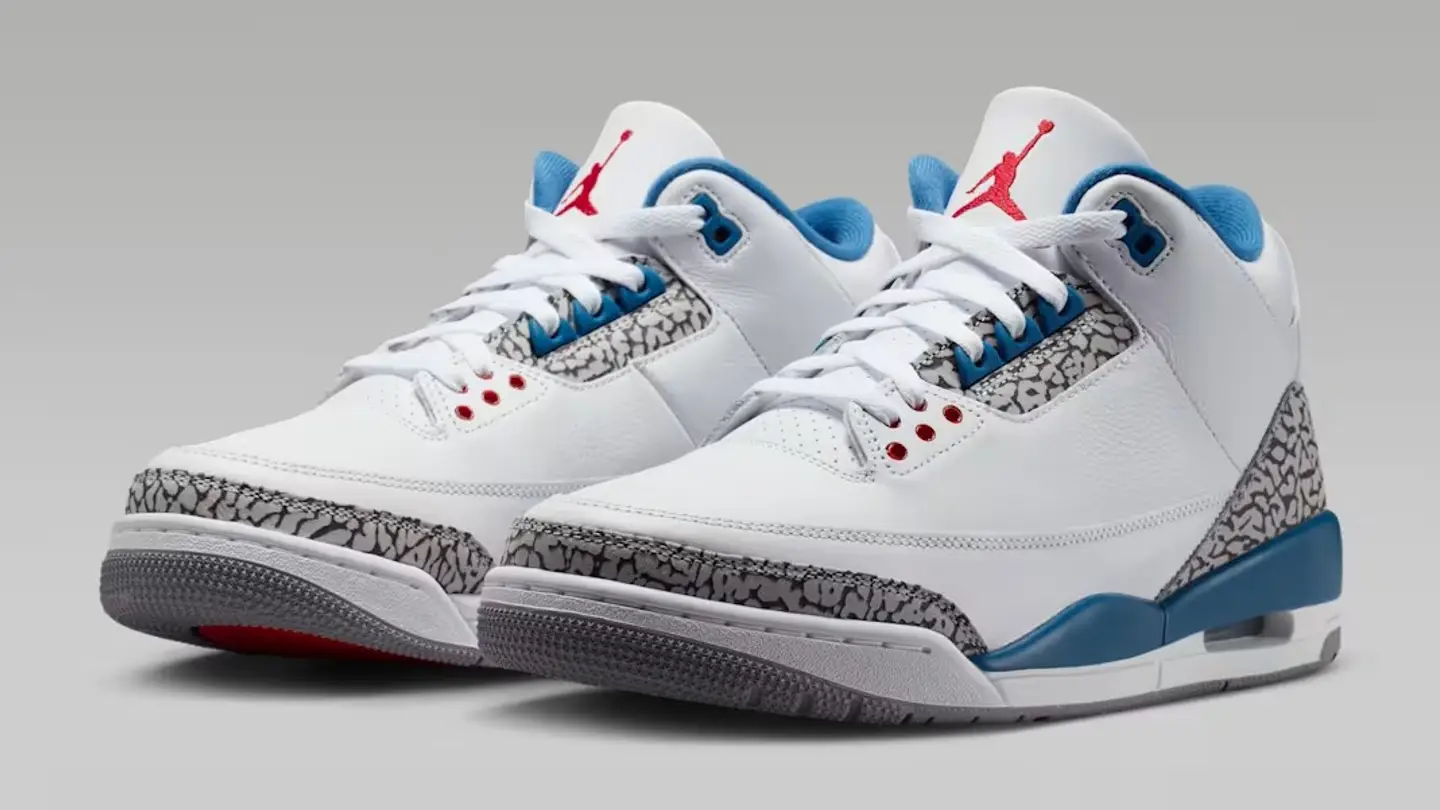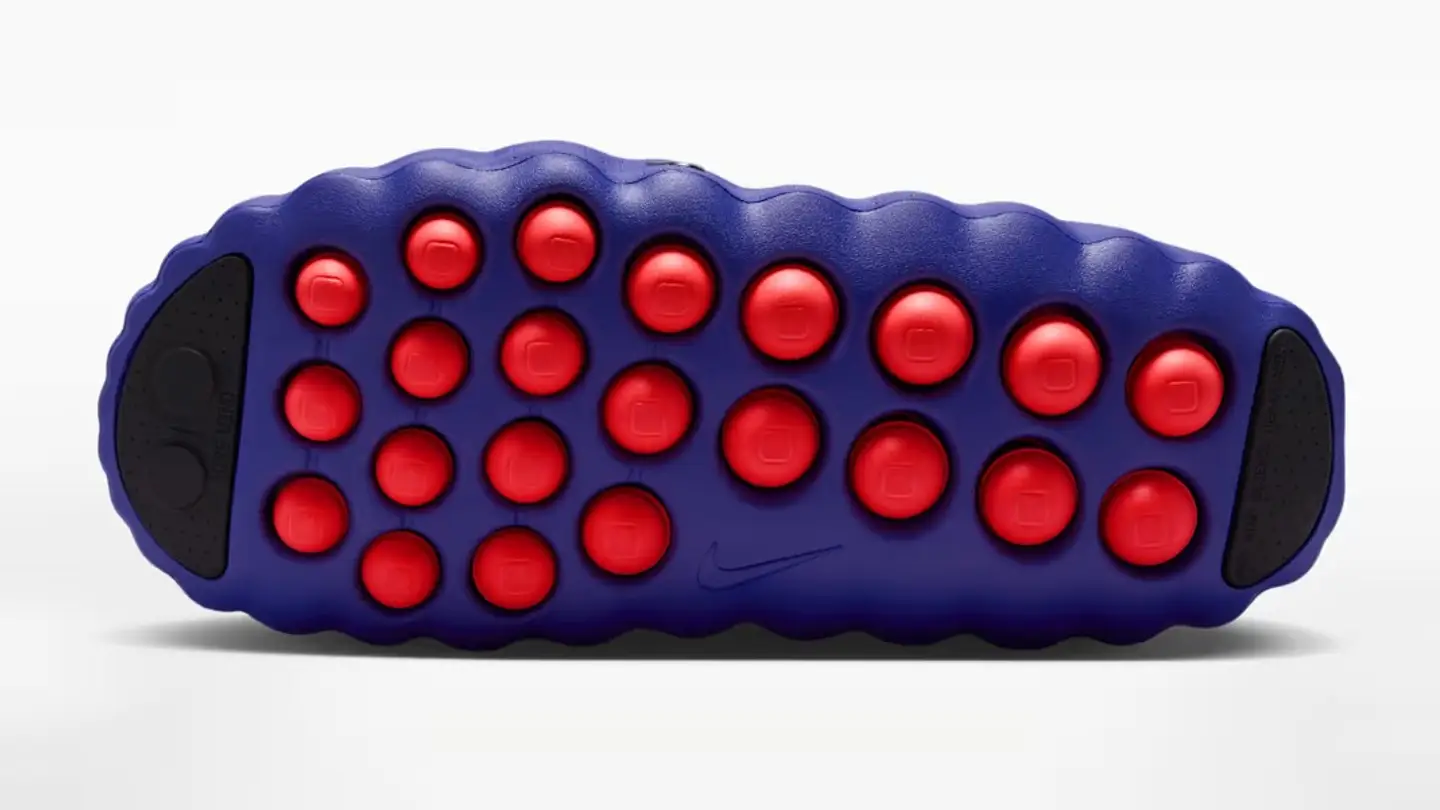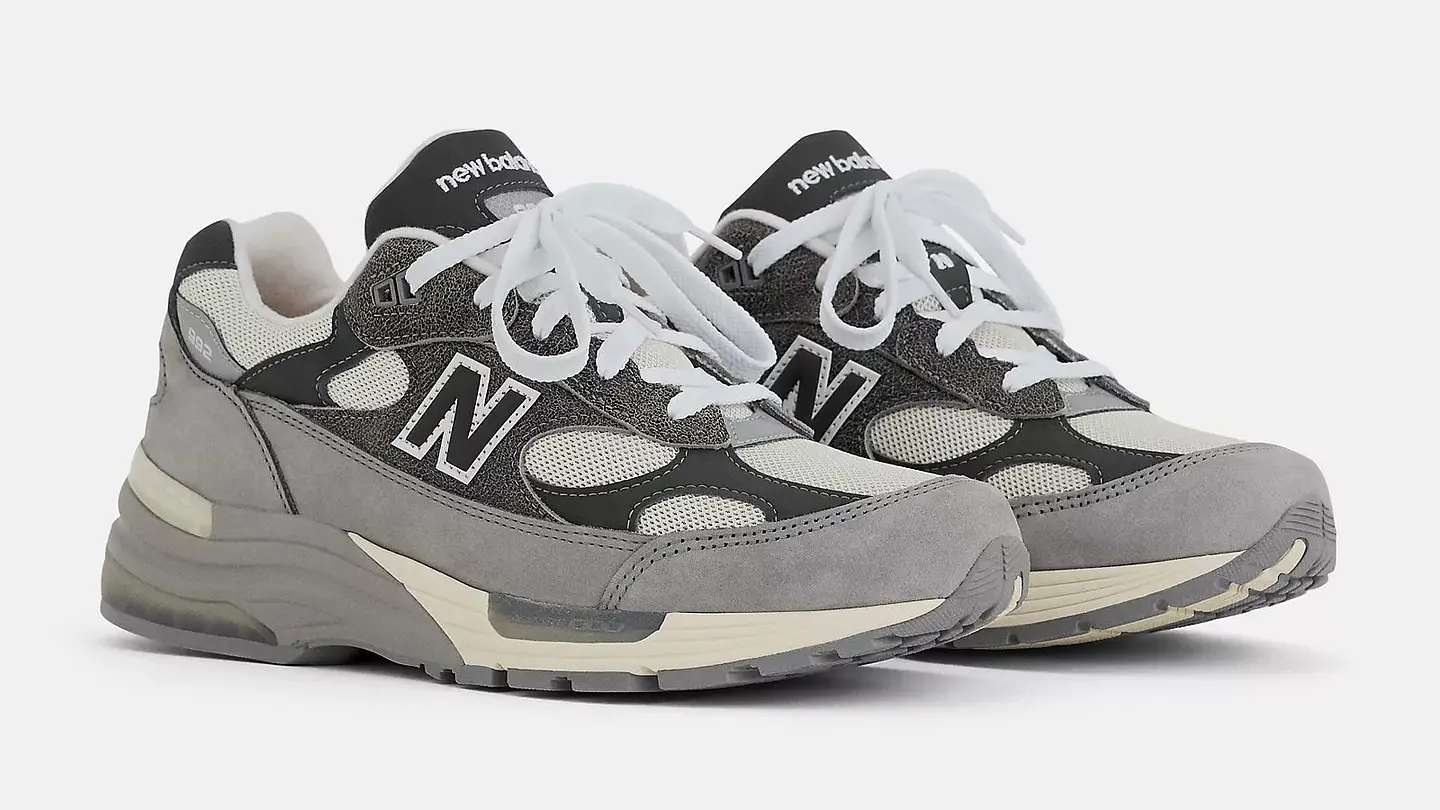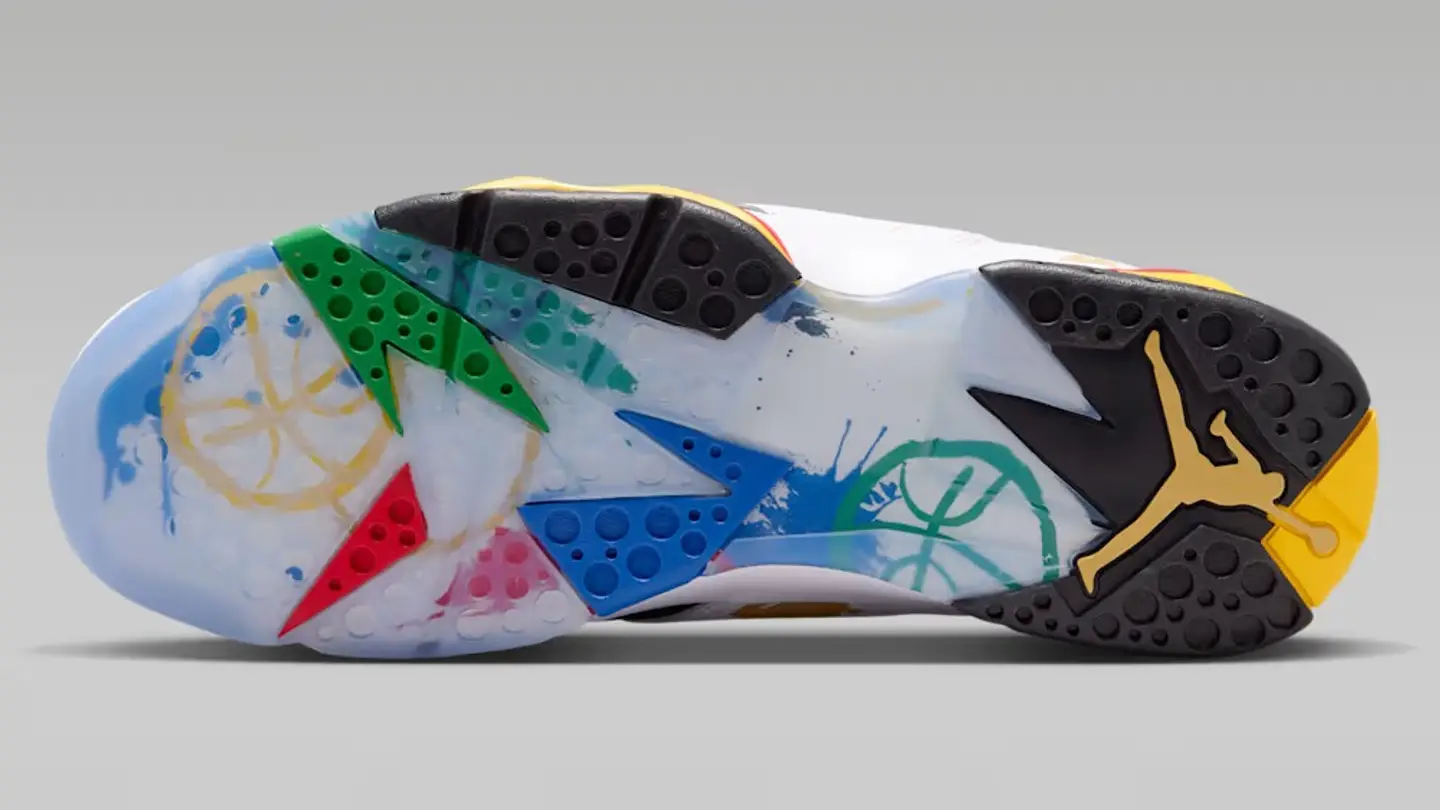
This week, we’re taking a look at the changing cadence of sneaker launches. Frequent iterative releases are giving way to infrequent, more impactful drops aimed at alleviating sneaker fatigue.In recent years, the sneaker release schedule has become cluttered with new drops. Big brands like Nike and Adidas leaned into the resale craze for unique and limited-edition sneaker drops, resulting in a calendar that became overwhelming for even the most die-hard collectors.
But data suggests consumers are losing interest in frequent drops. Sales growth for new sneakers peaked at 13% for U.S. brands in 2022 and has steadily dropped year-by-year to just over 1% in 2025. According to data from the retail analytics company Edited, Nike Dunks had a sell-out rate of 33% in 2023. But by 2024, 75% of Dunks were sitting unsold on shelves.
So now, sneaker brands are taking a different approach: slowing down their release schedules and introducing entirely new silhouettes, rather than iterations on existing models, to make each release feel more impactful.
This aligns with consumer trends: Buying sneakers now is more about collecting and wearing than flipping them for a profit. The sellers’ market, with easy 10x mark-ups on resold sneakers, has turned into a buyers’ market, where sneakers are selling at or below retail price. As of the beginning of 2026, the total merchandise value of the U.S. sneaker resale market has grown to around $6.5 billion, up from $6 billion last year, but the share of releases trading above retail price has fallen by 47%, down from a peak of 58% in 2020.