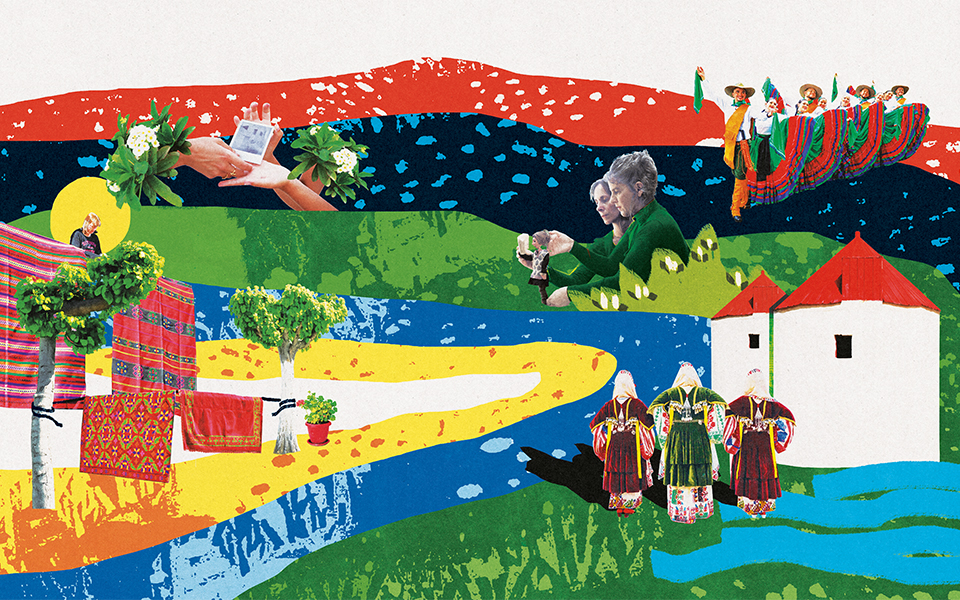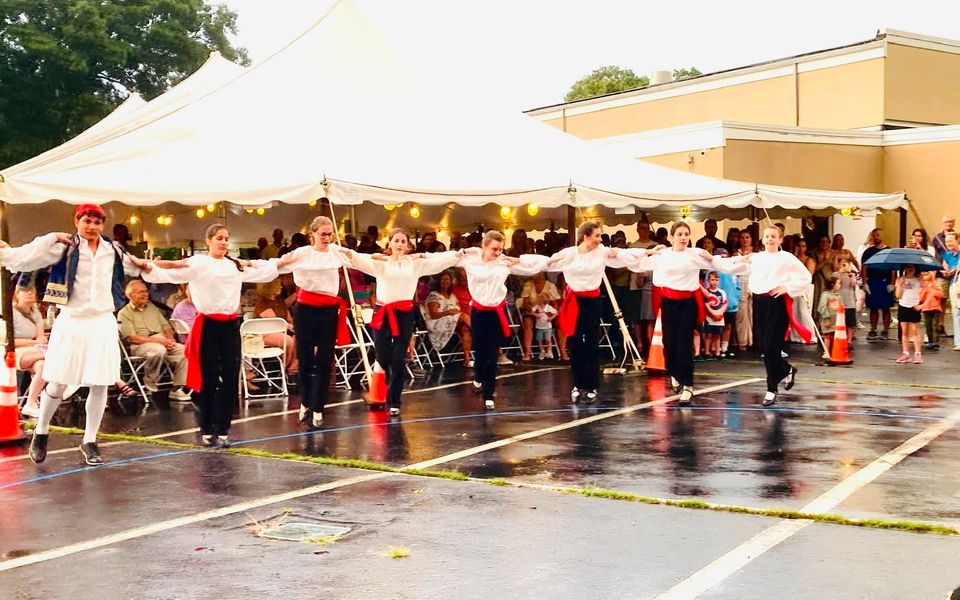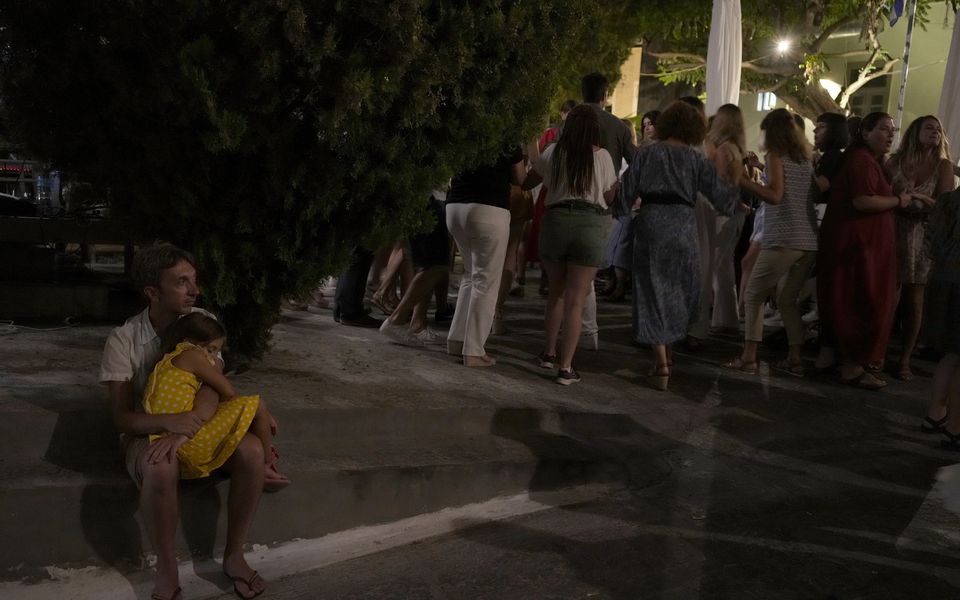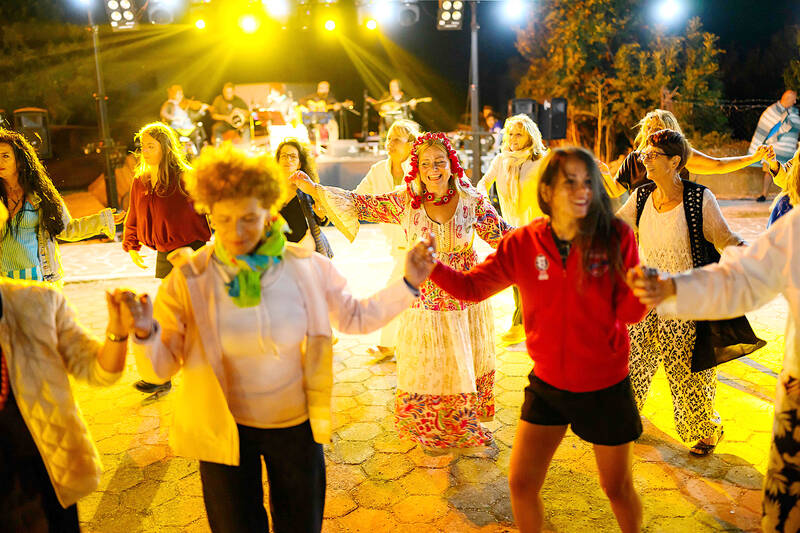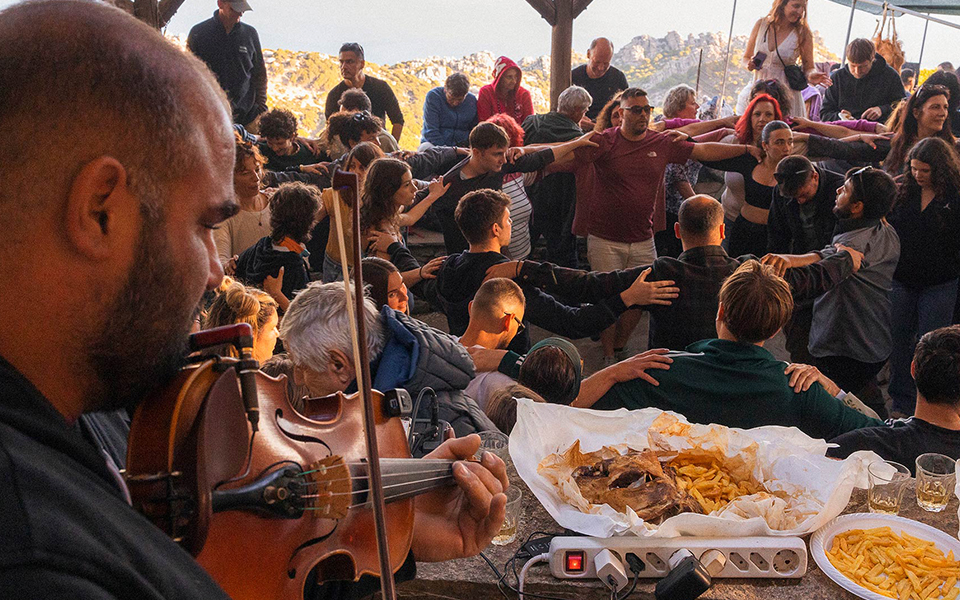
Ikarian panigyria – or panaÿria, as they are known locally – are a centuries-old institution, closely associated with religious feast days dedicated to Christ, the Virgin Mary or the saints. They are held on the feast days of parish churches and chapels built in their honor. Once the church service and religious rituals have concluded, the panigyri begins with a communal meal and drinking, before reaching its high point with music and dancing. The dancing is accompanied by musicians playing traditional instruments such as the lyra, tsambounofylaka (a type of bagpipe), violin and lute – as the local saying goes, “with dancing and song, let the place come alive” – as well as by traditional dance songs: “How can the mad ones dance without lyra and violin?”
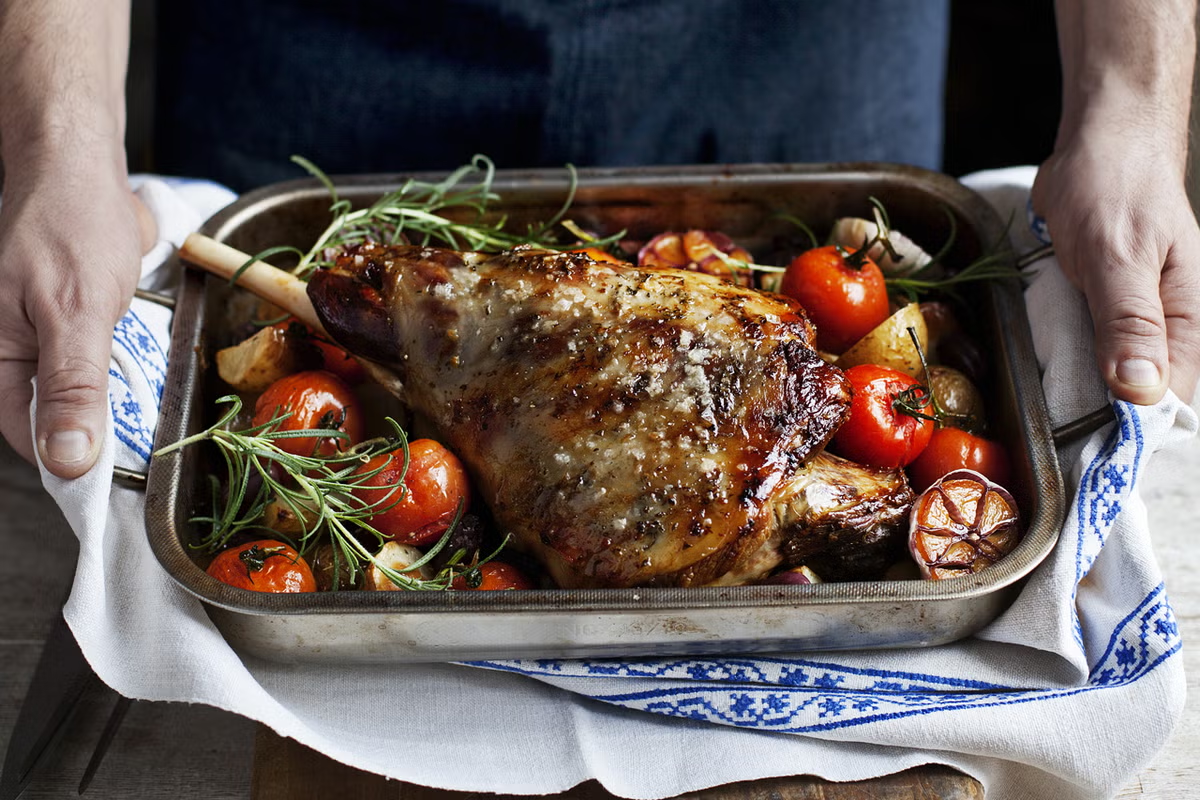
The traditional food of the panigyri is prothesi: boiled goat meat served with its broth, bread and wine. In earlier times, these provisions came from offerings made by those who owned or leased church lands, as recorded in church registers known as manes. Contributions toward the feast were specified in kind. One such entry reads: “Sixteen loaves of bread, one goat […] all the above we shall contribute to the festival each year […].” Over the years, the panigyri menu expanded to include ofto (roast goat), goat cooked in tomato sauce and served with pilaf, as well as assorted appetizers, salads and sweets. Despite this evolution and the addition of new dishes, prothesi remains the essential food of the Ikarian panigyri to this day.