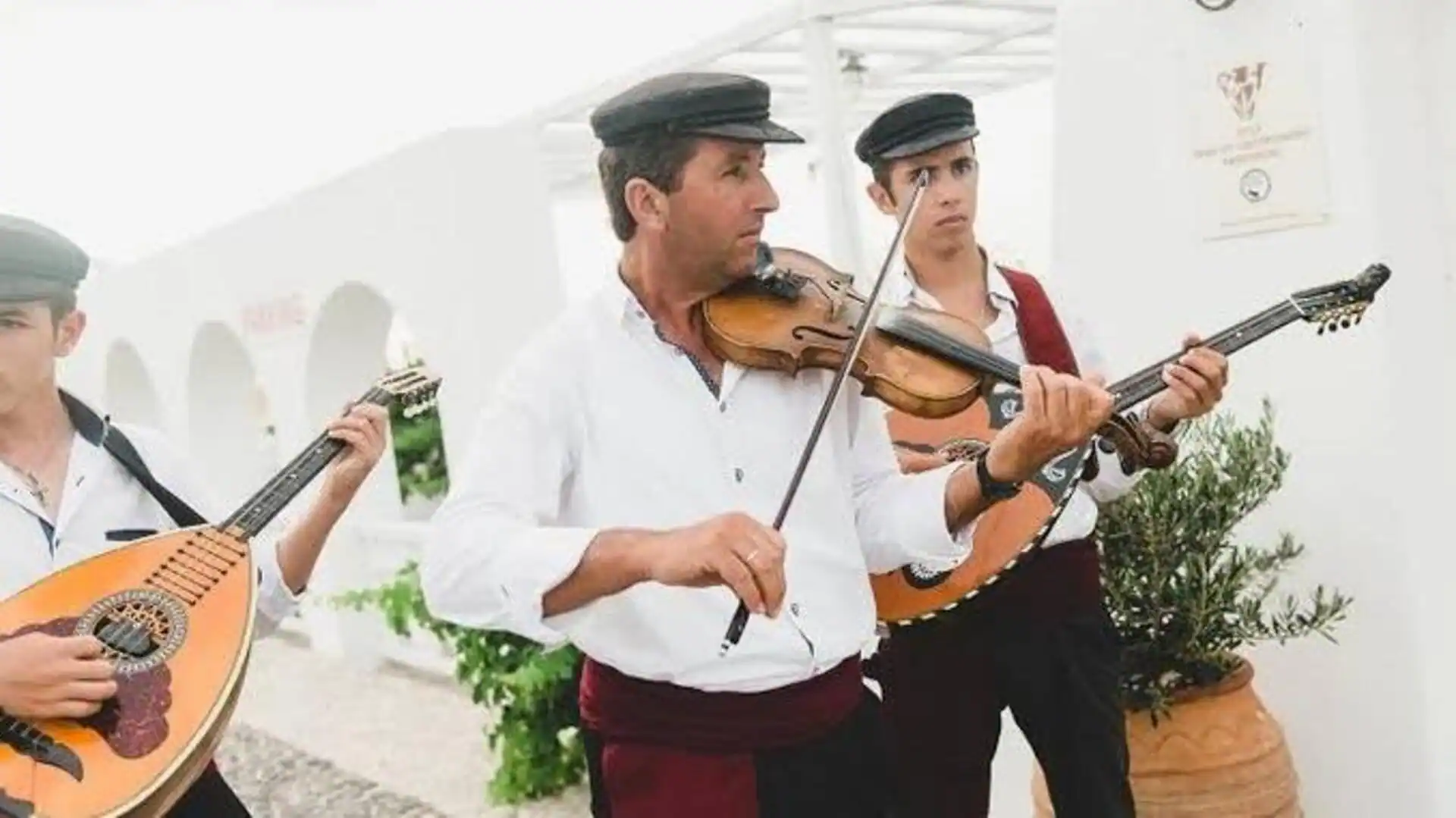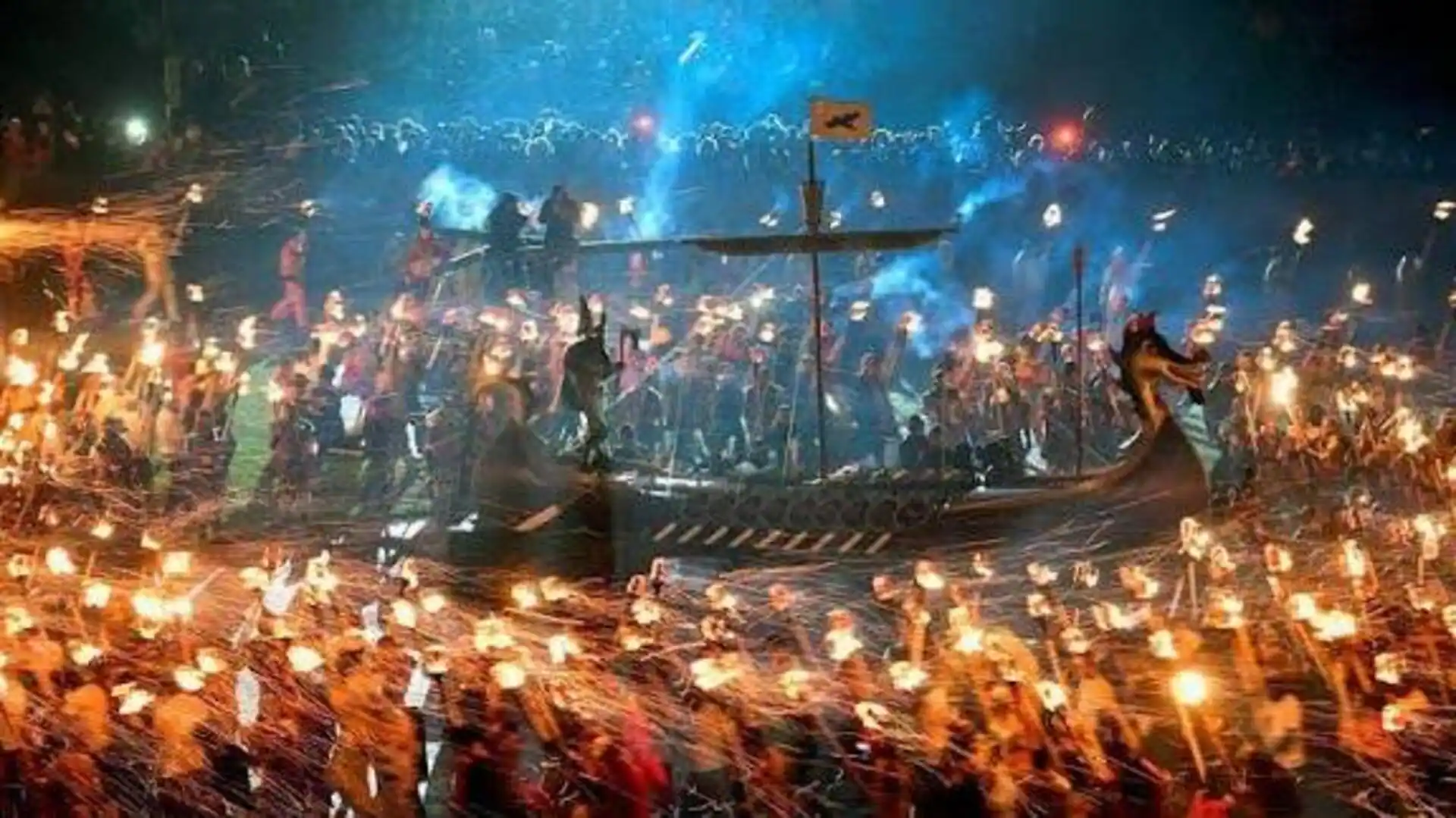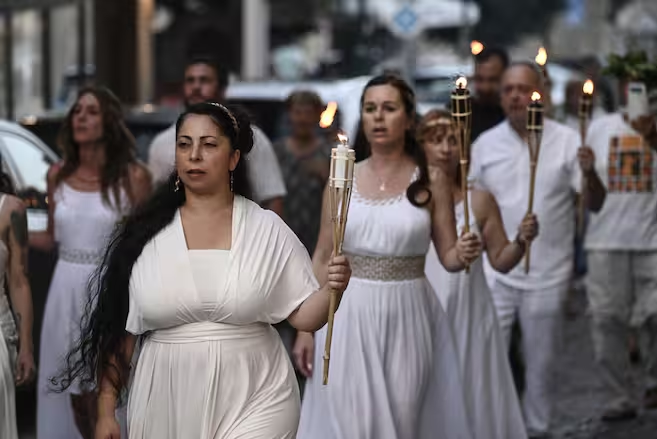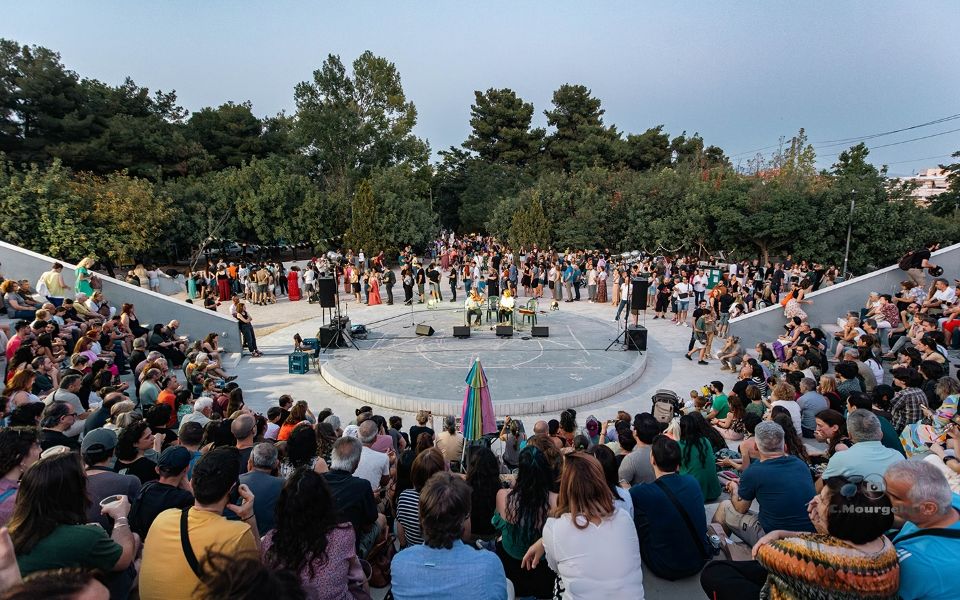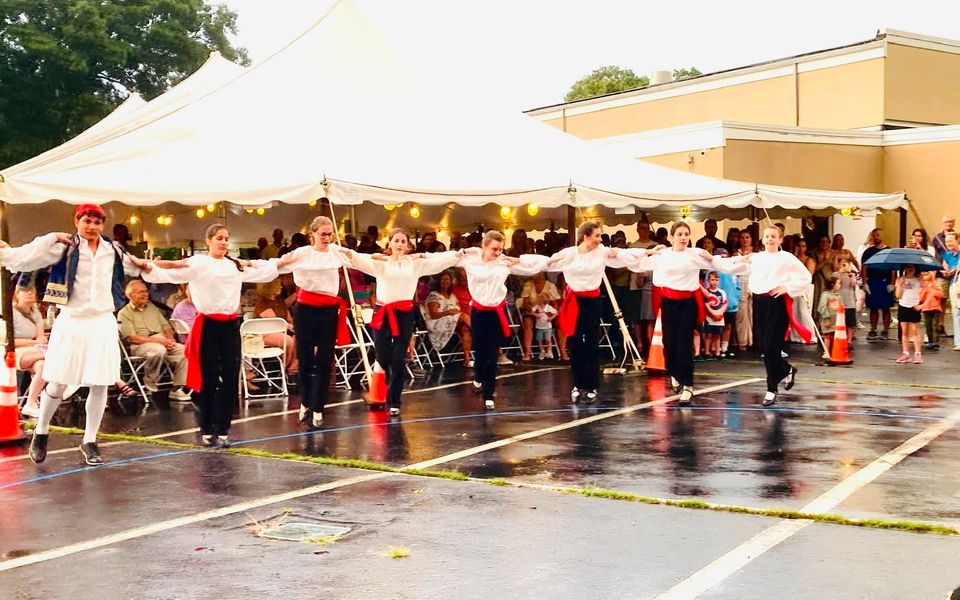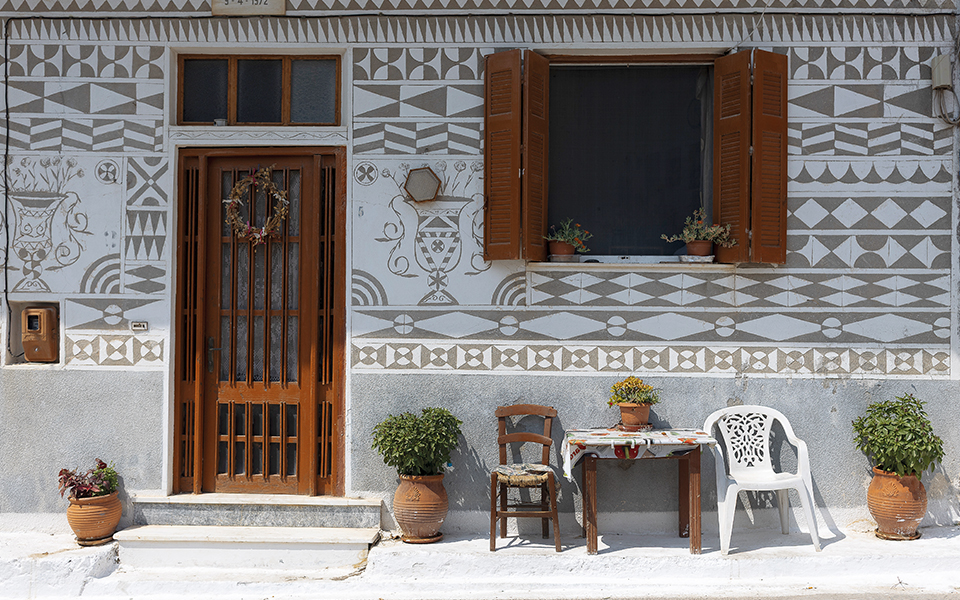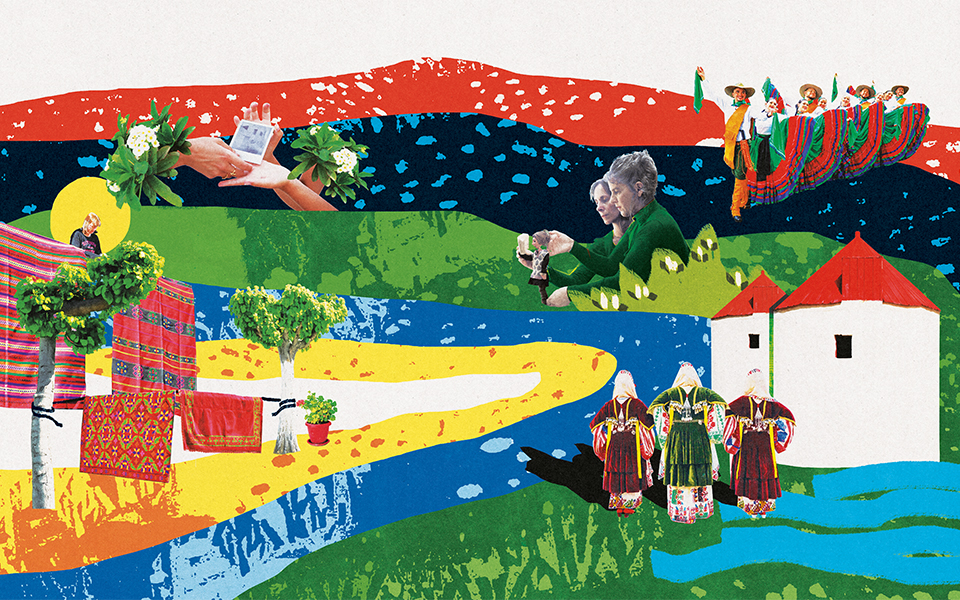
Plastic chairs, endless wine and beer, hands linked in dance, and music turned up to full volume. The panigyri – the quintessential Greek village festival and a one of the defining rituals of the Greek summer – has become cool again. Traditions are finding new audiences, making their way from rural villages to social media feeds and holiday posts. Grandmothers’ woven textiles are emerging from old cedar chests, and protective folk amulets are defining the visual identity of contemporary cultural events. As interest grows, however, so do the questions. Are we witnessing a genuine rediscovery of tradition or simply another lifestyle trend? “There is a sense of nostalgia within us for something we feel we have lost,” says Marianthi Kaplanoglou, Professor of Folklore in the Department of Philology at National and Kapodistrian University of Athens and Director of the university’s Folklore Museum and Archive. “Tradition also has a theatrical and playful dimension, and today people actively choose to engage with it. At times, tradition grows out of unexamined habit; at others, it becomes a politically correct way of constructing local or national heritage.”
From Lefkada to Anogeia and Astypalea, traditional culture has become an increasingly visible part of Greece’s summer cultural events – sometimes at the center of the program, sometimes woven more subtly into it. “ Tradition tends to be embraced – or even celebrated – only after it has been separated from its ‘less desirable’ side: folklore or popular culture,” Kaplanoglou adds. “ It is rebranded, redefined, and transformed into a cultural or tourism product. At the same time, many communities are genuinely committed to preserving and sharing their heritage. Folk culture, in any case, will continue to evolve and endure.” A glance at this summer’s festival calendar suggests exactly that. Across Greece, local communities are introducing a new generation to their traditions, not only through folk music and village festivals, but also beyond them.