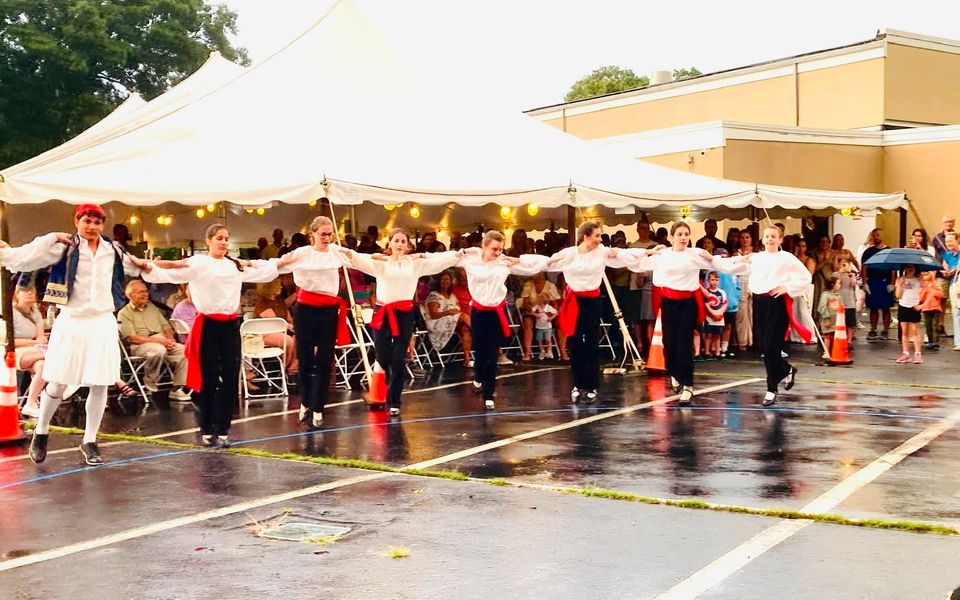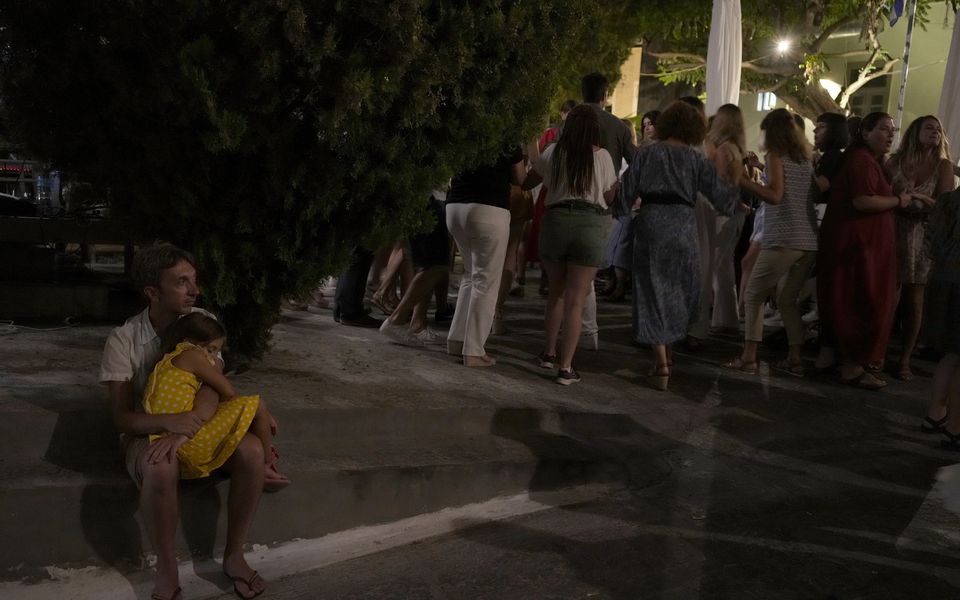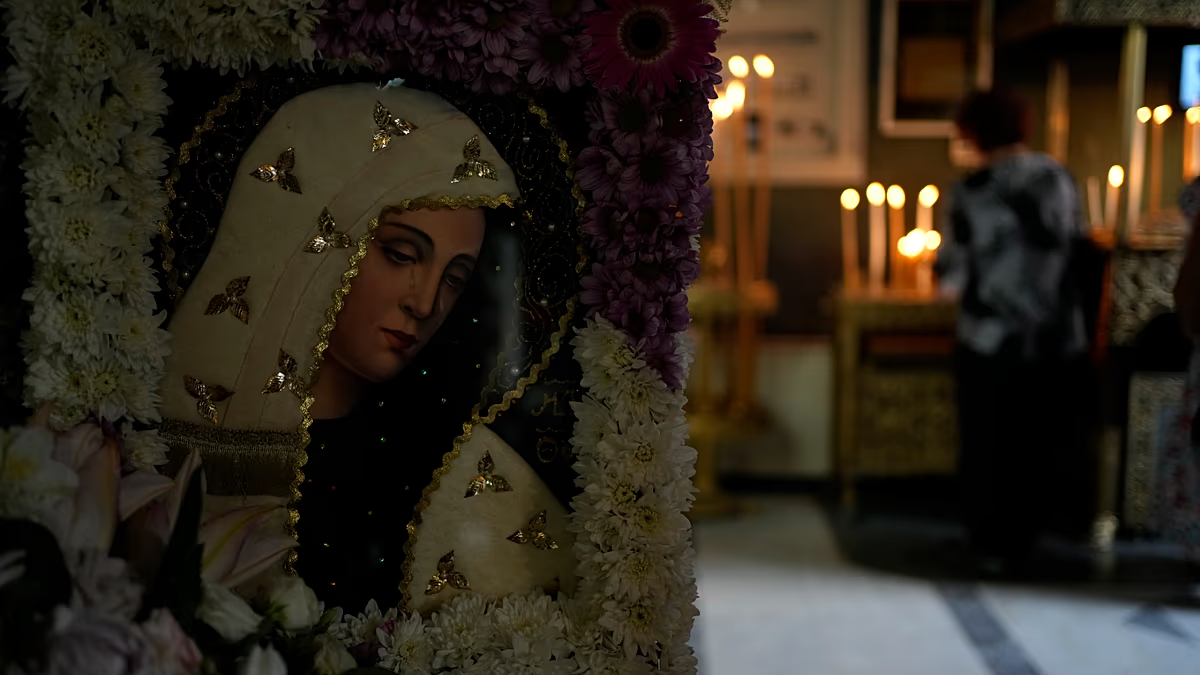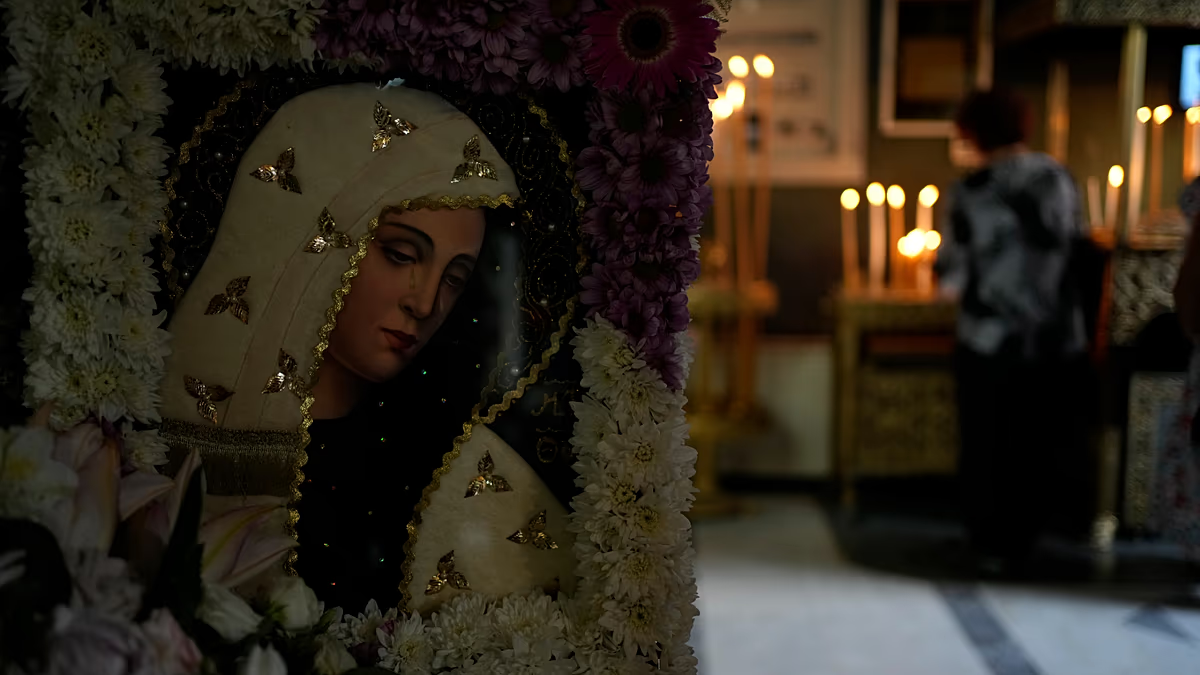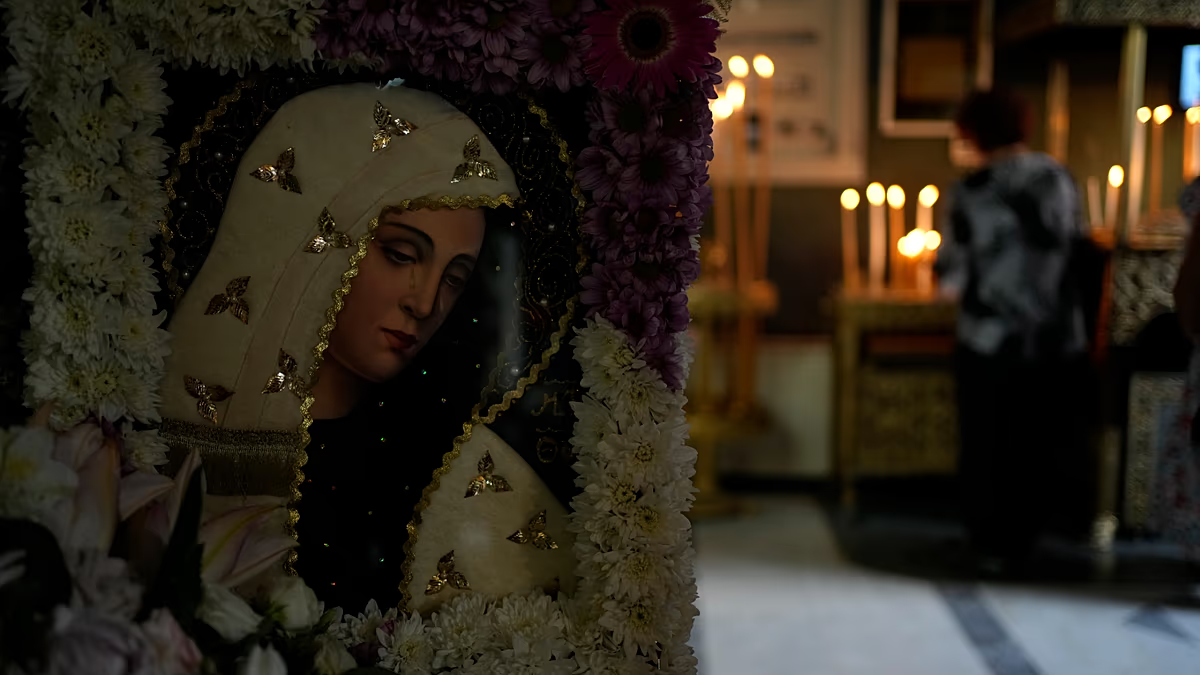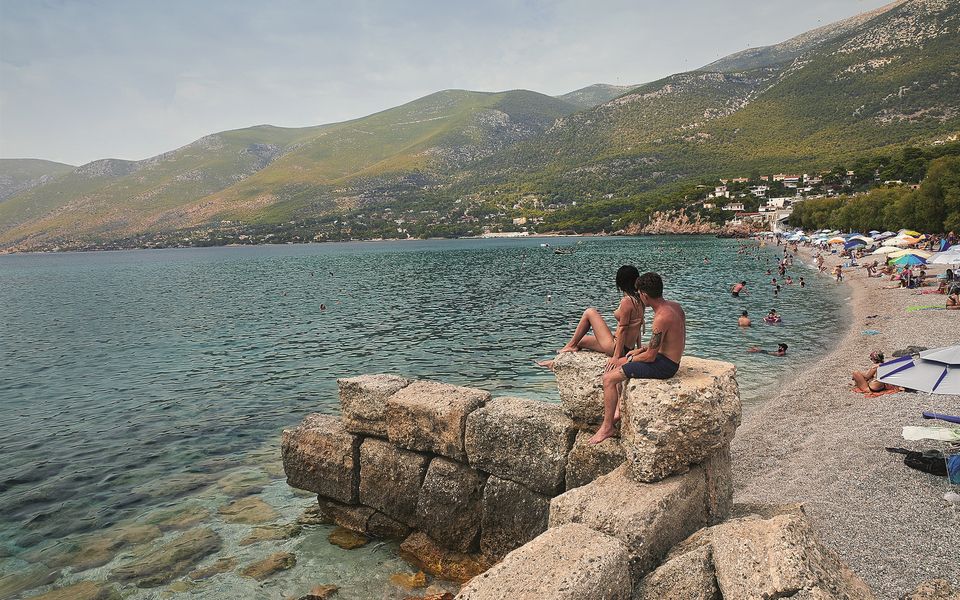
“This is the first time I’m going to a festival that will be like a funeral,” says Petros Meidanis, a resident of Vilia, who helps us find old photos of the area. He is preparing to leave for the festive vespers on the eve of the Christian Feast of the Transfiguration, which the main village of Western Attica is celebrating on August 6. Traditionally, after the litany of the icon, in the shadow of the magnificent temple designed in 1893 by German-born architect Ernst Ziller, a famous festival is held with live folk music, traditional dances and meat eating until dawn.
Not this year. The clarinets fell silent, the spits remained in storage. Permanent residents, vacationers, visitors from Athens, and nature lovers who discovered these hidden forests, olive groves, beaches, chapels and ancient fortresses at an older age, today mourn as if they had lost someone they know.
For years, circumstances, coincidences, and prejudices had “conspired” to keep this green backyard of Western Attica – the most privileged – invisible and undervalued. For the people, however, who grew up nearby (and by “nearby” we mean a large geographical area spanning from Elefsina and Megara to Mandra, Loutraki and Erythres), this pine-covered territory that stretched from the fir-covered peak of the mythical Kithaironas to the shores of the Corinthian Gulf was for decades a beacon that illuminated their lives, their memories, and their summers. And now they will have to confront the harsh certainty of its absence.