SBI: Unfair move
| Photo Credit:
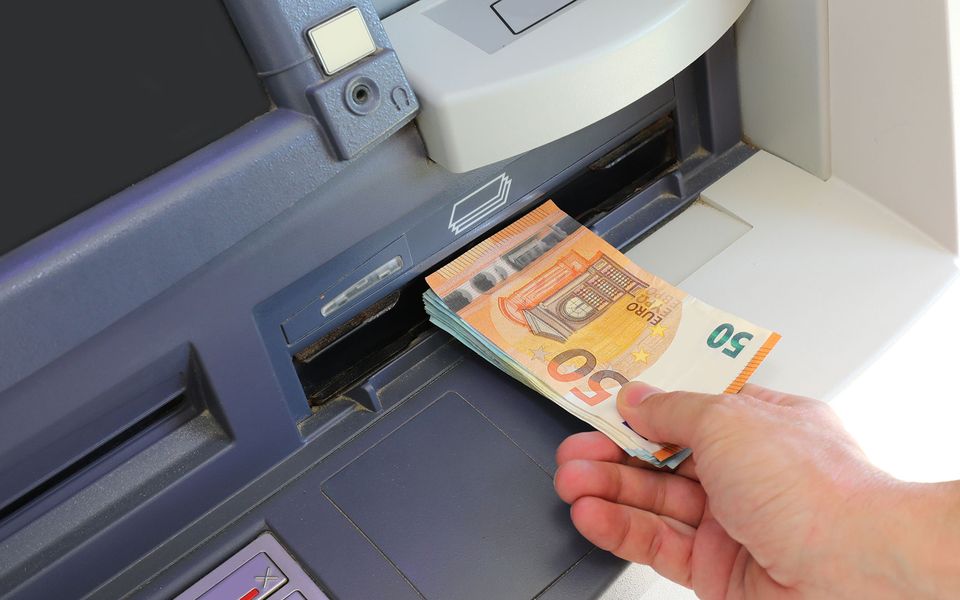
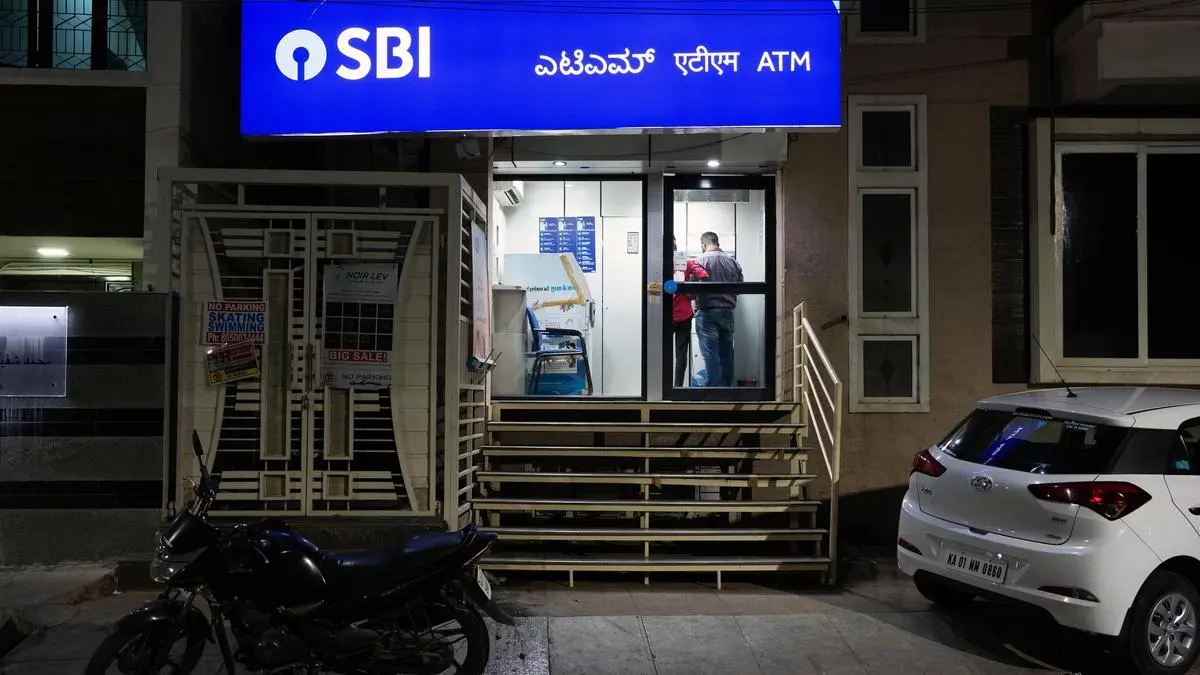
State Bank of India, the country’s largest bank, has decided to charge even basic savings account holders for cash withdrawals beyond a minimum count. Come October 1, basic savings bank deposit account (BSBDA), or no-frills account-holders, will have to shell out ₹15 per withdrawal plus GST when they use ATMs to withdraw cash more than four times a month. The move is unfair, defies logic — and must be withdrawn. It punishes those in the lower rungs of our socio-economic pyramid who operate low balance accounts, and lack the confidence and the means to go cashless .Informal sector workers — whose livelihoods remain overwhelmingly cash-dependent — prefer to withdraw currency on a need basis. The Reserve Bank of India, in fact, acknowledges that cash remains central to India’s economy, as reflected in its Deputy Governor Shirish Chandra Murmu’s recent emphasis on the importance of cash in rural and semi-urban regions, among low-income households, senior citizens and small businesses. These sections can ill-afford such penalties. The national database of informal workers boasts in excess of 31 crore registrations. By February 2026, India had about 58 crore Jan-Dhan accounts (which are a subset of basic accounts) with a deposit balance of ₹2.94 lakh crore. Of these, nearly 78 per cent have been opened in rural and semi-urban areas. SBI alone witnesses about 32 crore transactions daily in these accounts.Affluent consumers evade these penalties by seamlessly transitioning to digital channels. A salaried account holder incurs no charge when paying ₹500 via UPI for coffee at a five-star restaurant, regardless of transaction frequency. Conversely, a casual labourer who must rely on micro-ATMs or business correspondents using Aadhaar authentication for basic cash access will end up facing punitive charges. Both digital and physical payment mechanisms are merely delivery channels; a digital nudge is fine, but penalising consumers for choosing one over the other isn’t. In the UK, a mature economy where cash usage remains substantial, banks do not charge customers for accessing their funds. Coercive steps can nudge citizens to hold currency rather than deposit it in banks.Penalties should also be abolished for failing to maintain minimum account balances. As with withdrawal levies, these again hurt those that are not well-to-do — and are not informed upfront about such rules. It is hard to understand what is driving SBI (and other banks) to scrounge around for ‘fee income’ by taking harsh steps, when its quarterly profit is of the order of ₹20,000 crore. The country’s largest lender earned a mere ₹286 crore via ATM charges, and ₹232 crore from minimum balance penalties for FY26. Low-cost current account and savings account (CASA) deposits, at about ₹22.6 lakh crore for FY26, accounted for about 45 per cent of SBI’s loan advances. It is only fair that lay depositors are treated better.Published on August 25, 2026