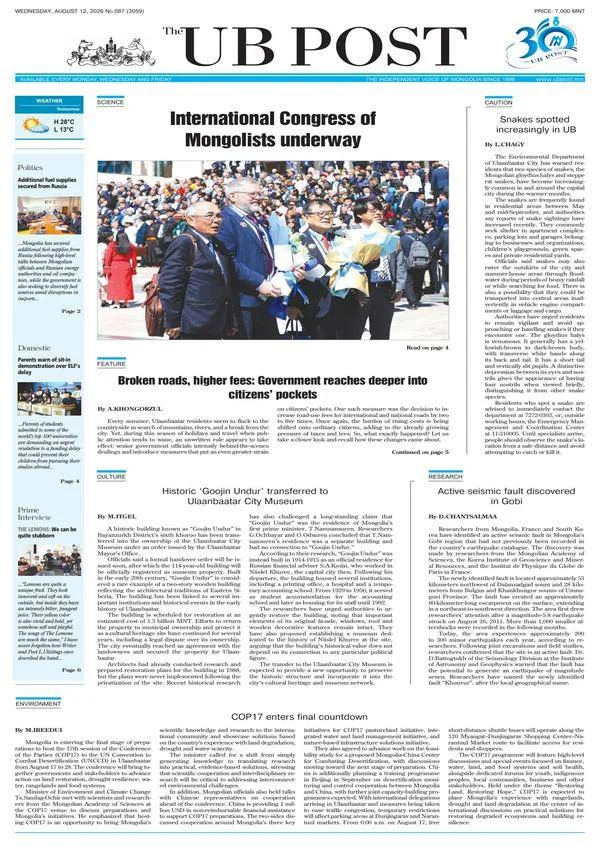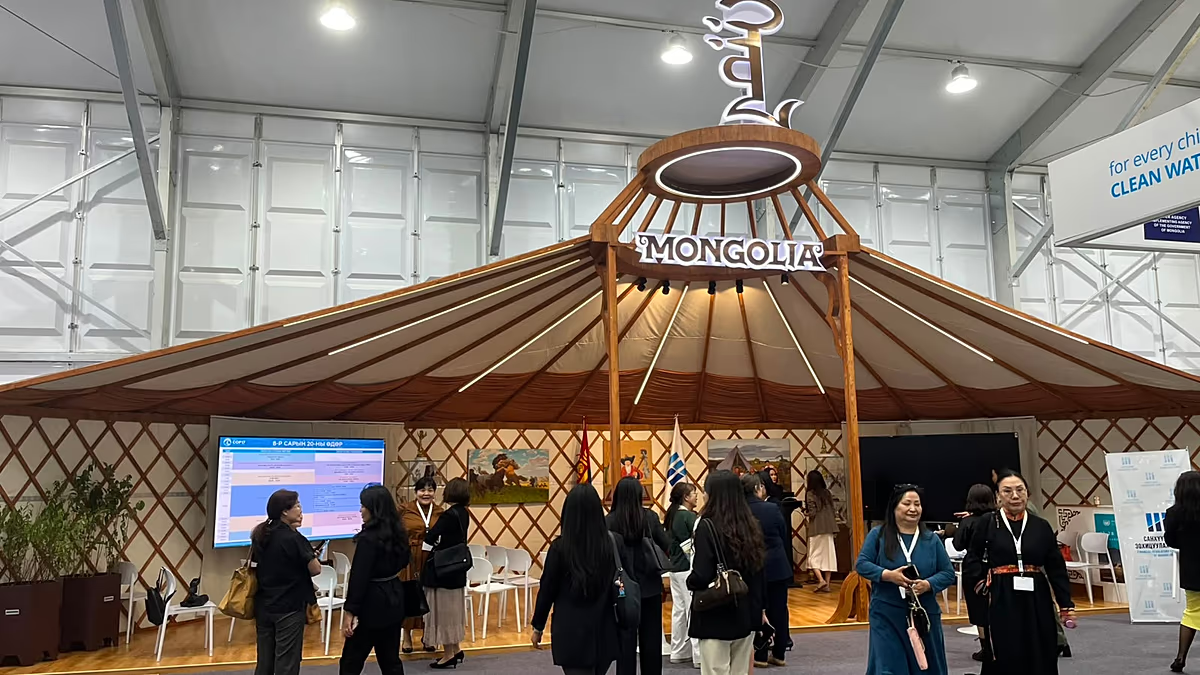
Mongolia is positioning itself as a global data centre hub, signing agreements for 863 megawatts of data centre capacity on the sidelines of a United Nations conference on desertification that brought 197 delegations to Ulaanbaatar this month.
The move to attract data centre investment was the most concrete economic outcome of the 12-day COP17 conference of the UN Convention to Combat Desertification, where delegates are discussing how to restore land degraded by climate change.
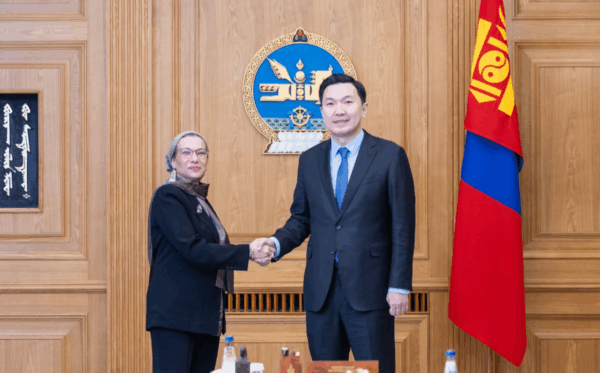
According to Deputy Prime Minister Togmid Dorjkhand, Mongolia has three main competitive advantages: cheap renewable energy, a cold climate that reduces cooling costs, and a vast land area and stable legal framework.
"We have a lot of energy generation potential, above the ground and under the ground and we have all kinds of deposits, uranium and coal and other resources," Togmid told Euronews.
"And yes, we are a very cold country, eight months a year are very cold. Cold weather is important for the data centres because they need a lot of cooling, so the colder the weather the more you save on cooling."