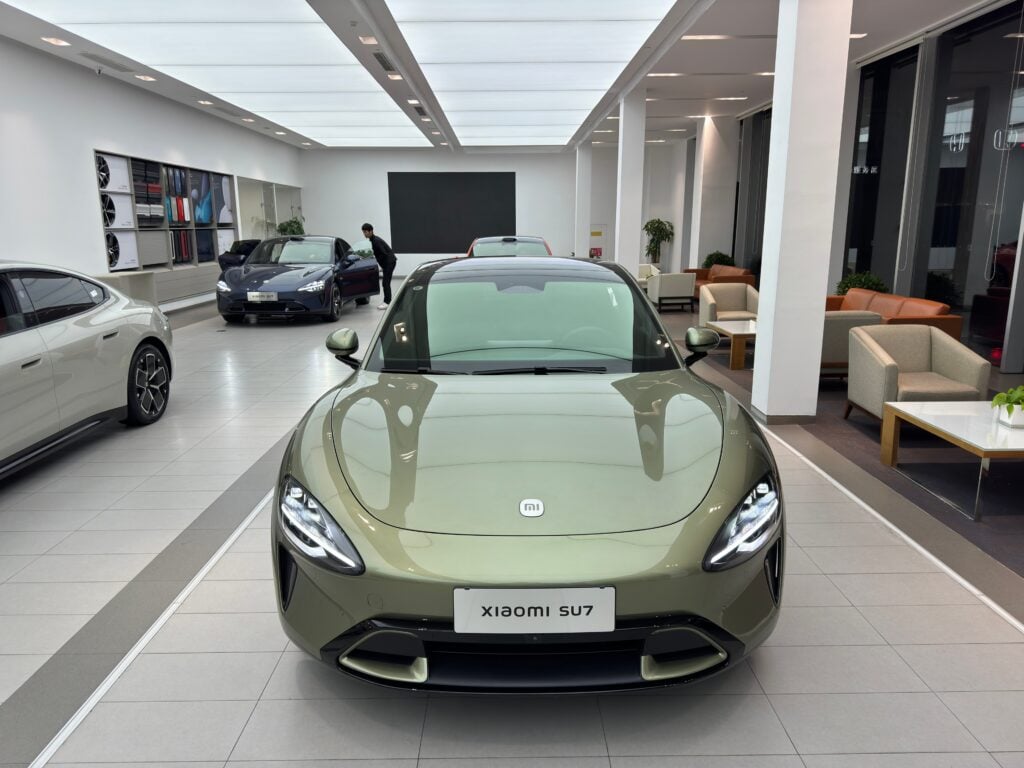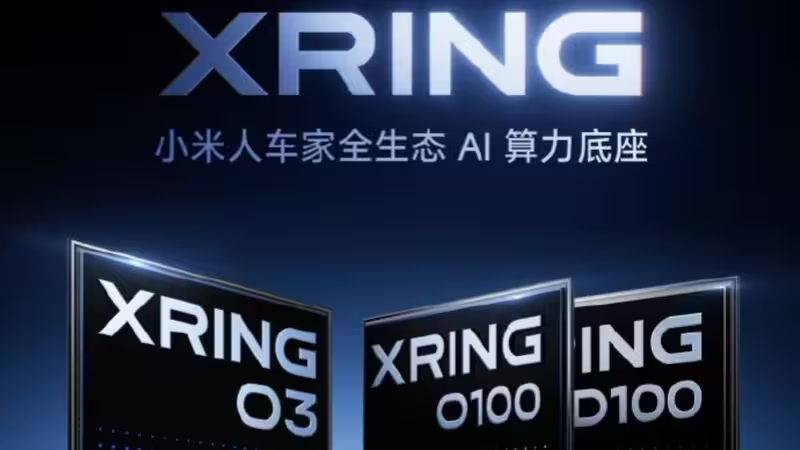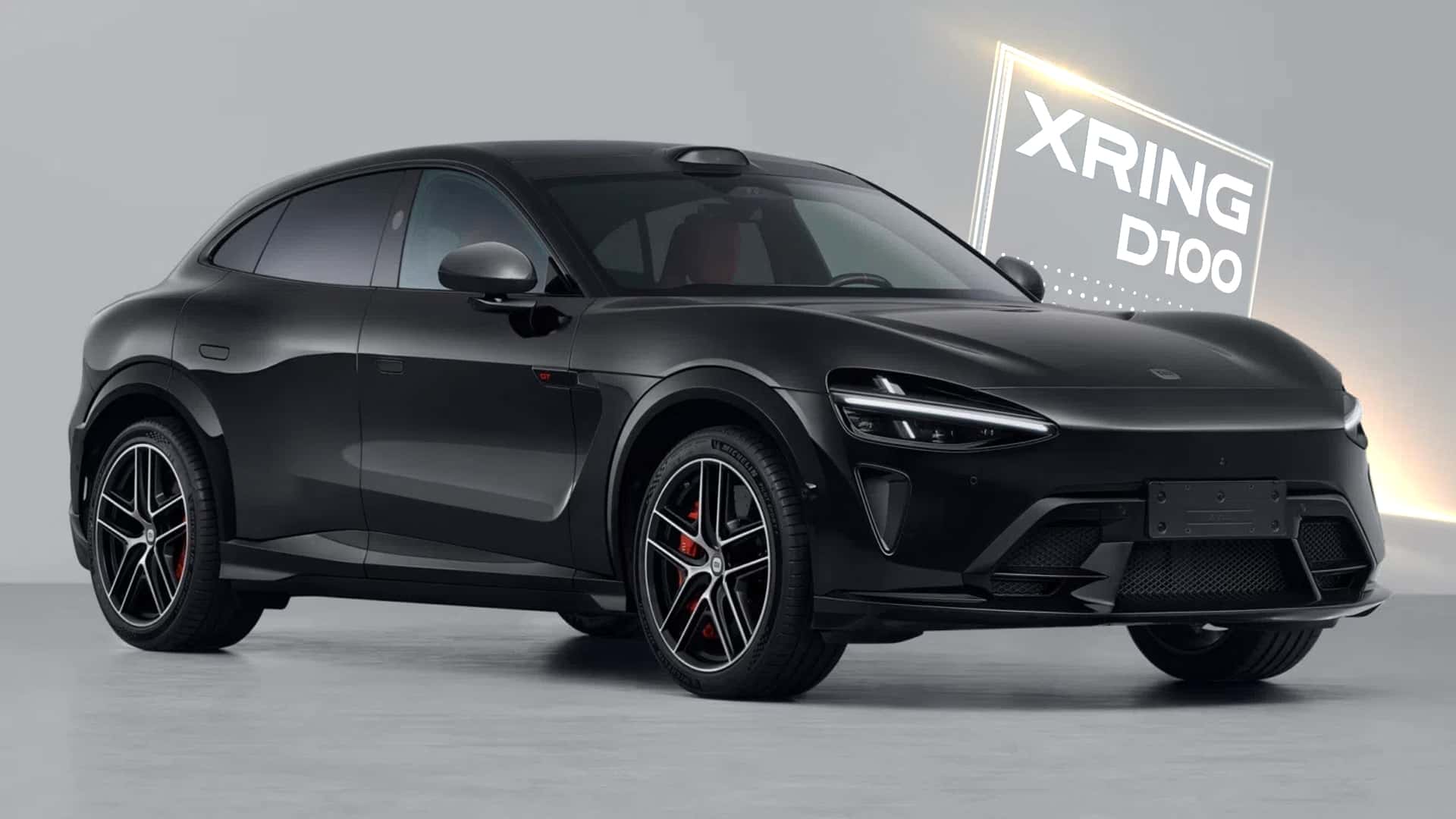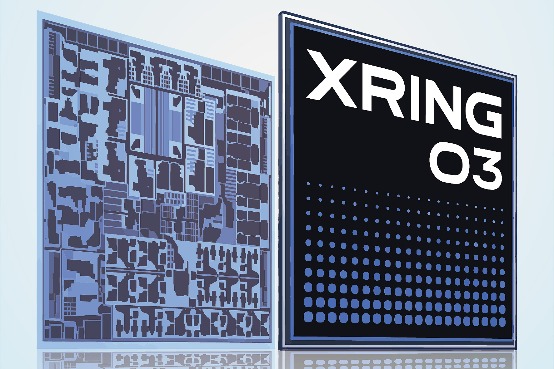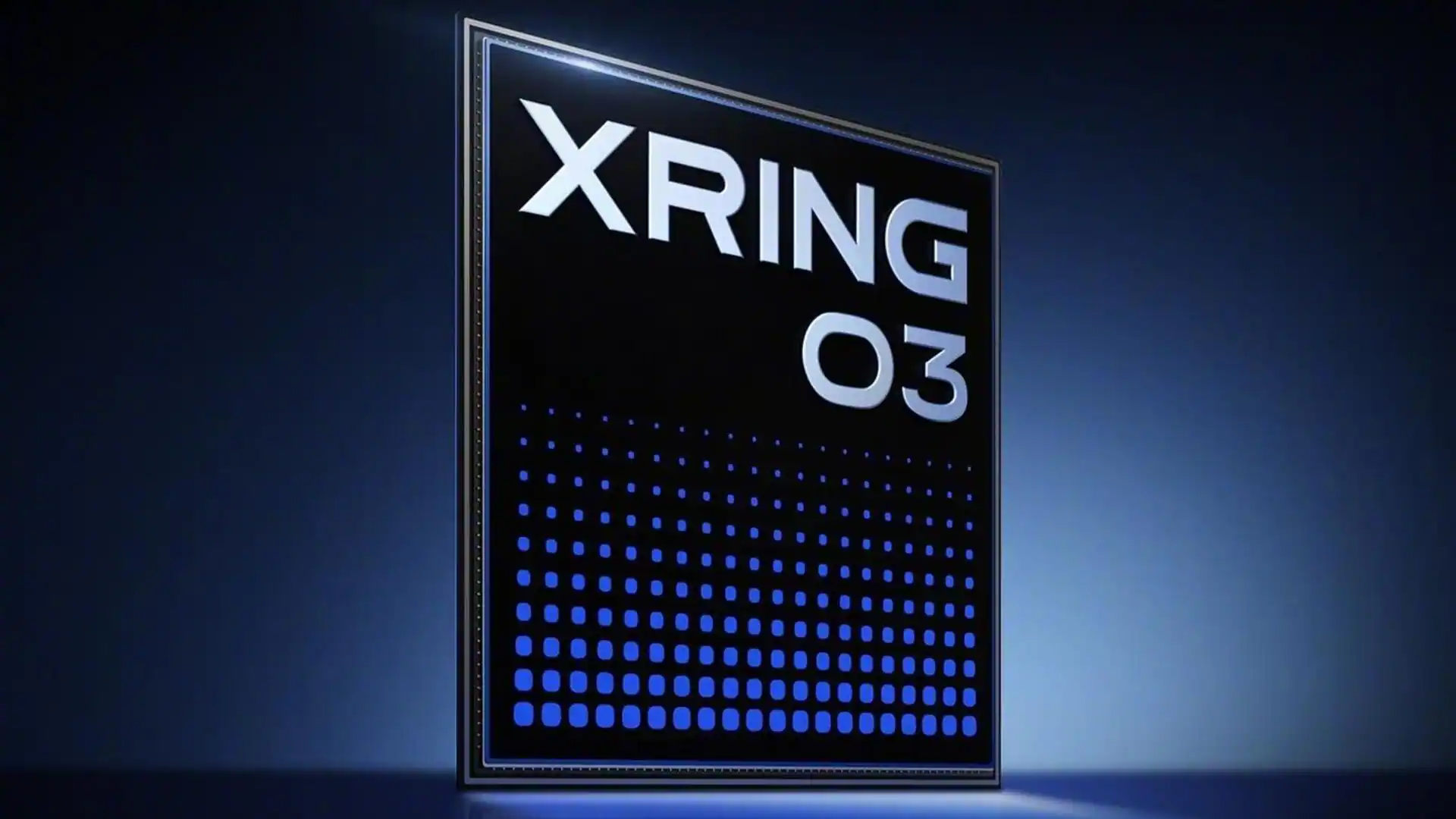
Xiaomi has unveiled the Xring D100, an in-house 3nm chip for intelligent driving that will replace Nvidia hardware in its cars from 2027. The company has invested more than 21bn yuan, about $3.1bn, since restarting its chip programme.
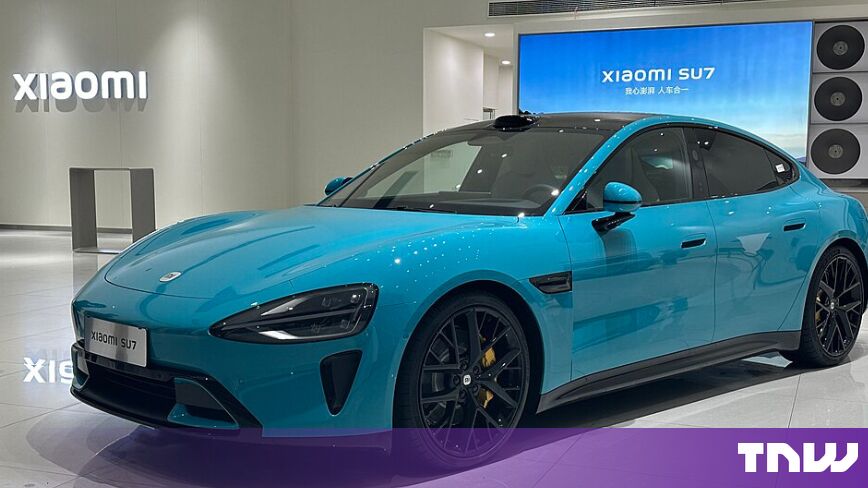
Xiaomi is designing Nvidia out of its cars. The company has unveiled the Xring D100, an in-house chip for what it calls intelligent driving, replacing the Nvidia Drive hardware that has powered the SU7 and YU7 so far.
The specification is ambitious. A 20-core CPU and 16-core NPU on a 3-nanometre process, supporting up to 160GB of unified memory, which Xiaomi says is enough to run a 200-billion-parameter model on the vehicle itself.
It is not the only Chinese company doing this. BYD, Nio and Xpeng are all working on in-house silicon, and Alibaba has built its own AI chip to reduce the same dependency.
One number is conspicuously absent. Xiaomi has not published a figure for trillions of operations per second, which is what actually determines whether all that capacity becomes performance.