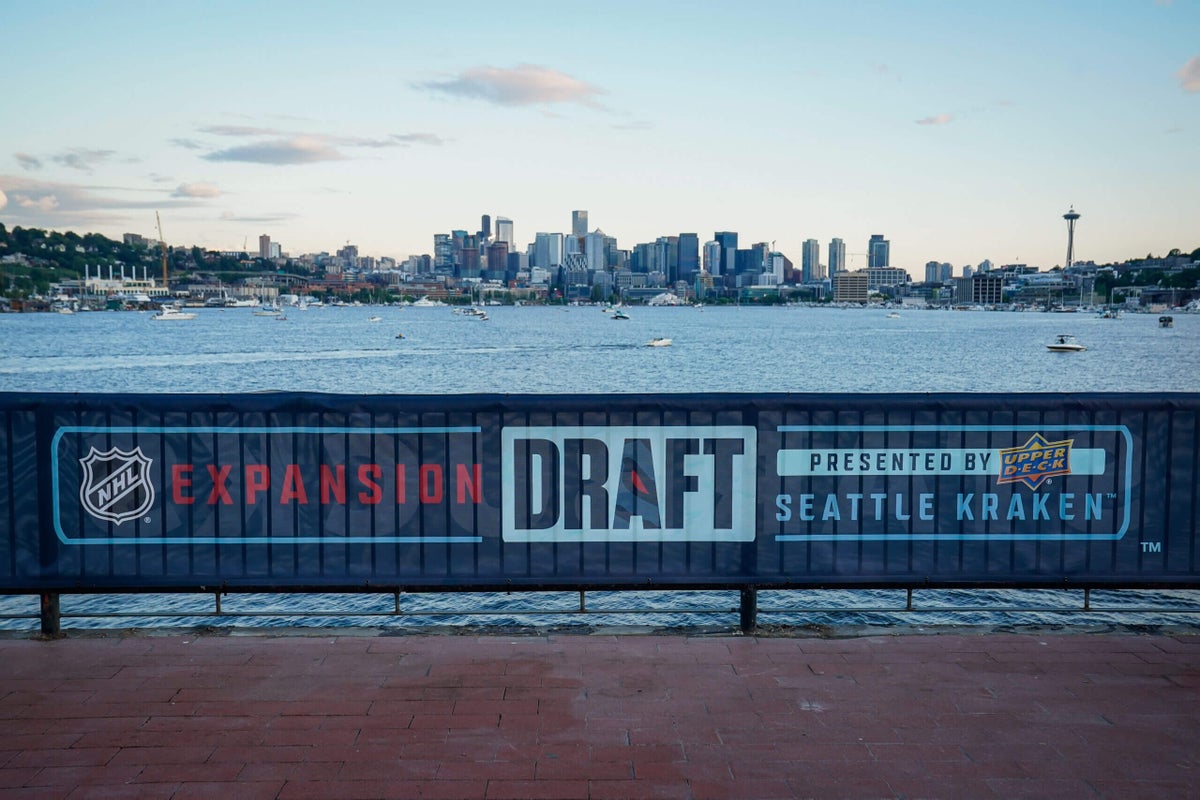
Like November rain in Vancouver or heartbreak for the Canucks at the draft lottery, expansion is an inevitability for the NHL.“If we finalize (an expansion bid in Texas) and the board approves it, then (at the) end of this calendar year we’ll have an announcement that we’re expanding to either Houston or Austin,” NHL deputy commissioner Bill Daly told The Athletic at the European Media Tour this weekend. “They’re projecting the ability to start play in 2029-30,” Daly also added.This is major news for the league, of course, and the overall impact of expansion on the Canucks’ rebuild will be significant.There are still several hurdles to clear before we can add an expansion draft to the 2029 hockey calendar. However, we can begin to analyze how it will, or at least how it might, impact Vancouver’s rebuilding plans.Here are four takeaways about how the Canucks are positioned for an NHL expansion draft that now looks reasonably likely to occur in less than three years.Can the Sedins change the Canucks’ culture?Sean Gentille and Thomas Drance1. The absurdity of budget consciousness in an era of multi-billion expansion feesIt must be noted that the expansion fee for the potential Texas group appears set to come in at about $2 billion USD, a total which doesn’t go toward Hockey Related Revenue and isn’t split with the players.In thinking about the Canucks’ cost-conscious summer and whether it’s a justifiable way to operate at the outset of a rebuild, it’s probably worth factoring in both the stunning level of appreciation that NHL franchises have realized over the past decade — Vegas and Seattle’s expansion fees were set at $500 million and $650 million, respectively — while also noting that NHL owners can reasonably expect two significant $60 million USD liquidity injections from another round of expansion over the next five years or so.So if an ownership group can’t afford to spend into the skid and hire experienced assistants or top AHL coaching candidates during their franchise’s first focused rebuilding season in a generation, that poses some difficult questions about their ability to keep up in this sort of NHL business climate.2. Immediate impacts: Training camp considerationsManaging the risk of expansion exposure is something the Canucks will need to start considering and planning for immediately.For the sake of this analysis, let’s assume the league sticks with expansion protection similar to what was designed for the Golden Knights in 2017 and the Kraken in 2021.Teams were permitted to protect seven forwards, three defenders and one goaltender, or four forwards, four defenders and a goaltender. The process is designed to guarantee the expansion team either a third-line forward or a top-four defender from each team, and, if a team wants to protect its entire top four, then it has to make a second-line forward available instead.First- and second-year professional players are exempt, and players with no-movement protection can block being left unprotected. Teams like the Minnesota Wild have already begun to write some no-movement clause provisions to qualify them, so that the clause only applies to trades, and not to any future expansion process.For a rebuilding team like the Canucks, it’s the former exclusion — that first- and second-year professional players are exempt — that’s the more relevant consideration off the hop.In the last round of expansion, 18- and 19-year-old players who appeared in at least 10 NHL games were determined to have accrued a professional season. For players 20 and older, a full season in the AHL sufficed to accrue a professional season.
How potential NHL expansion could impact Canucks’ rebuilding plans
How are the Canucks positioned for an expansion draft that now looks reasonably likely to occur in 2029?
1,674 words~8 min read