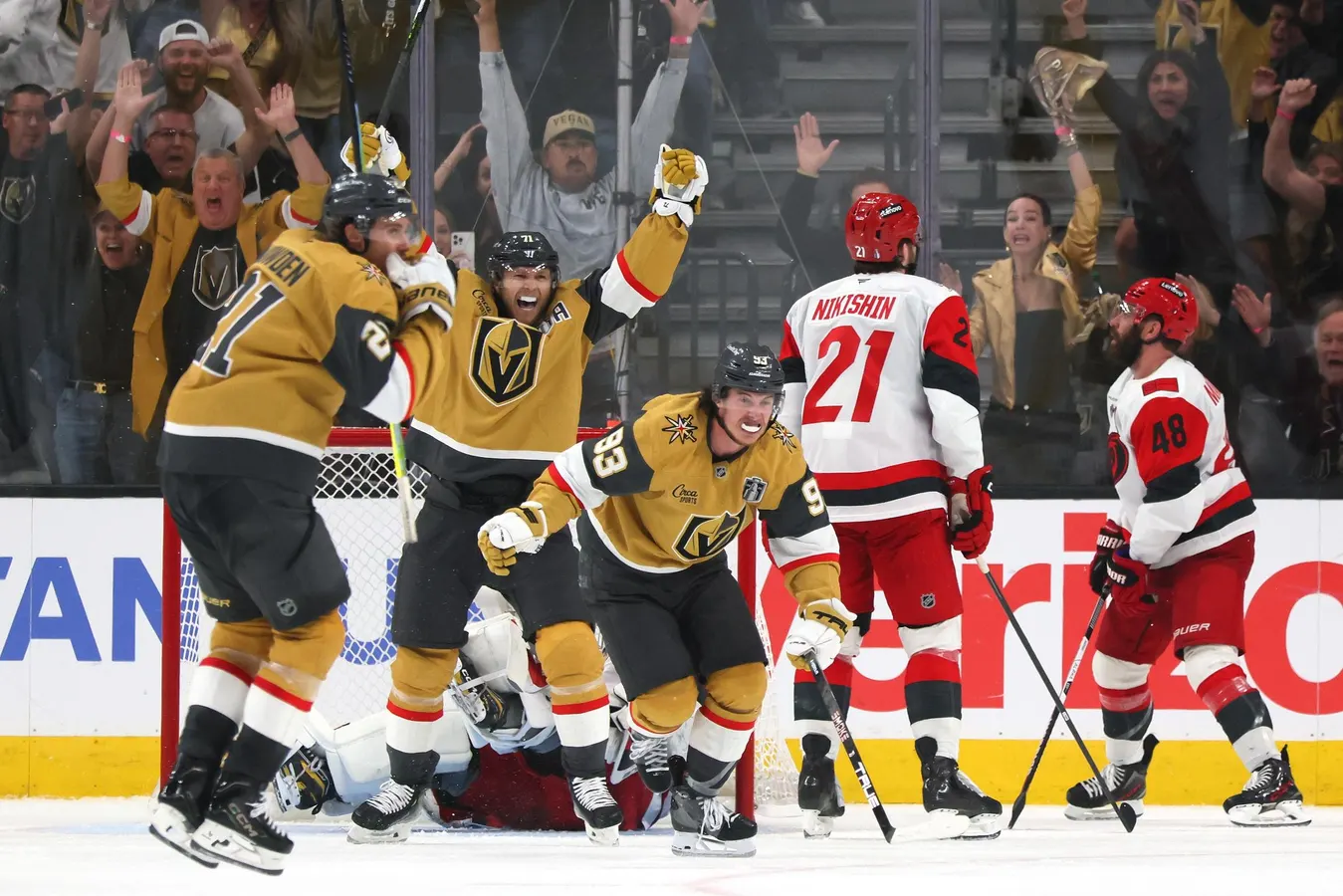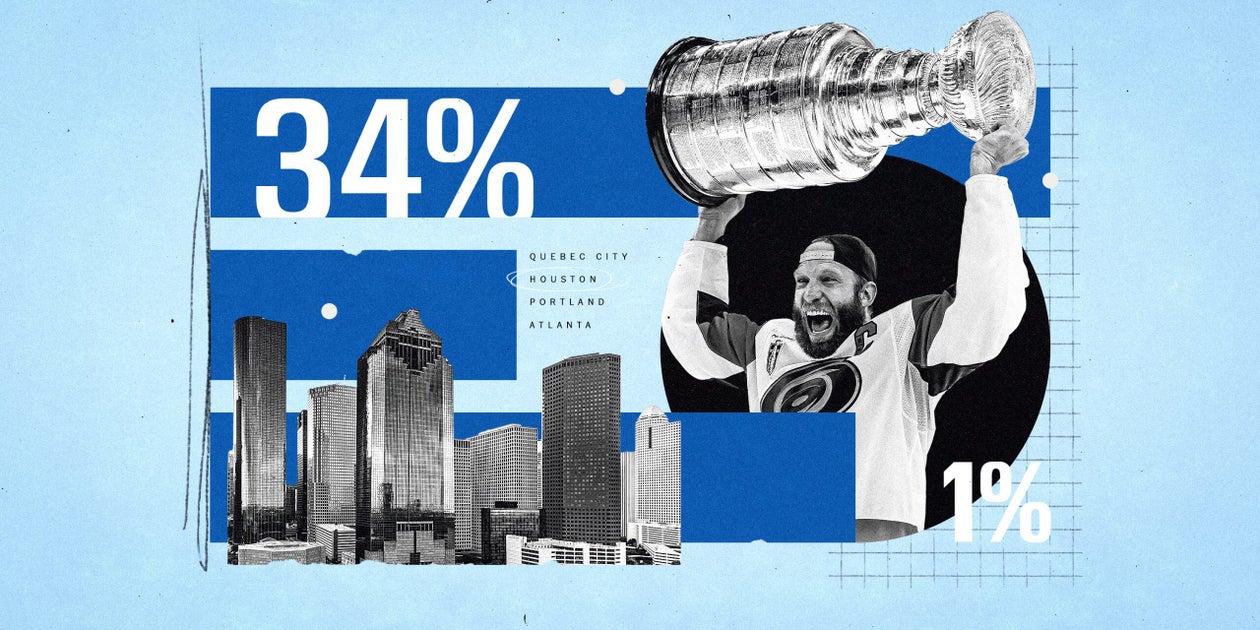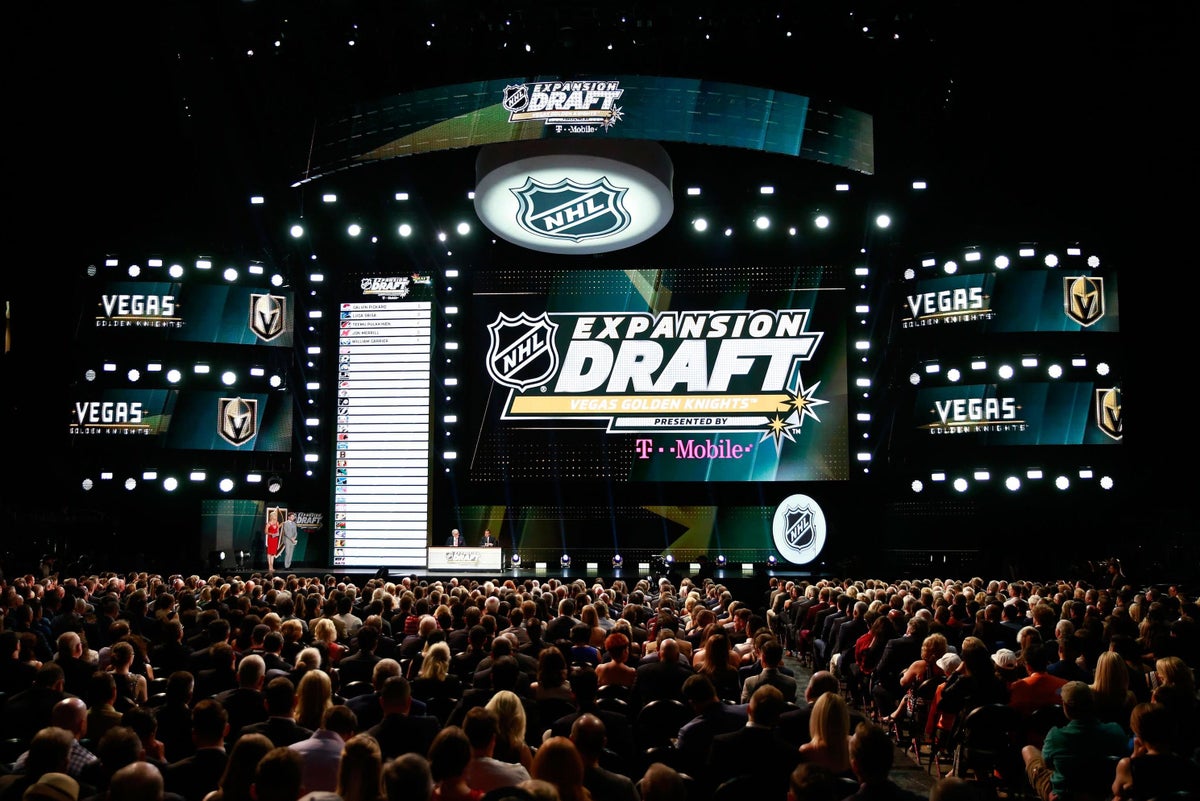
Would another NHL expansion draft dilute the rest of the league too much? Is it even possible to build a competitive roster through that process in today’s NHL?With the NHL in the exploratory phases of expanding to either Austin or Houston, those questions could actually get answered. Today, we’re going to test the waters to get an early gauge of what a 33rd team could realistically look like.Most expansion teams haven’t been immediate threats to the contender’s circle. Then the Vegas Golden Knights came along.A lot of luck went into Vegas’ early success, including William Karlsson popping off in Year 1 with the team, shooting a career-high 23 percent and scoring 43 goals. But there was a lot of behind-the-scenes work to get Karlsson and to keep both Josh Anderson and Joonas Korpisalo in Columbus. A first, a second and David Clarkson’s contract were a part of the arrangement. That was one of many side deals the Golden Knights made to better their fortunes.Pittsburgh paid Vegas a second-rounder to pick Marc-André Fleury. The Florida Panthers dumped Reilly Smith to the Golden Knights after they selected Jonathan Marchessault. In exchange for drafting Clayton Stoner and taking on his contract, Vegas landed prospect Shea Theodore.By 2021, when it was the Seattle Kraken’s turn, general managers weren’t nearly as generous or naive. And Seattle came in with a completely different mindset, anyway, focusing on the long game.Any future expansion teams will benefit from learning from these two fairly recent experiences when creating their own path forward. Let’s say that path starts in the 2027-28 season. With protection lists for all 32 teams in place, it’s time to draft the 33rd NHL franchise.The rulesSimilar to the protection lists, we are staying consistent with the set of rules Vegas and Seattle had to follow with the expansion draft.
2027 NHL mock expansion draft: What would a 33rd team look like?
With the NHL in the exploratory phases of expanding, we're going to test the waters to get an early gauge on the expansion draft process.
1,396 words~6 min read