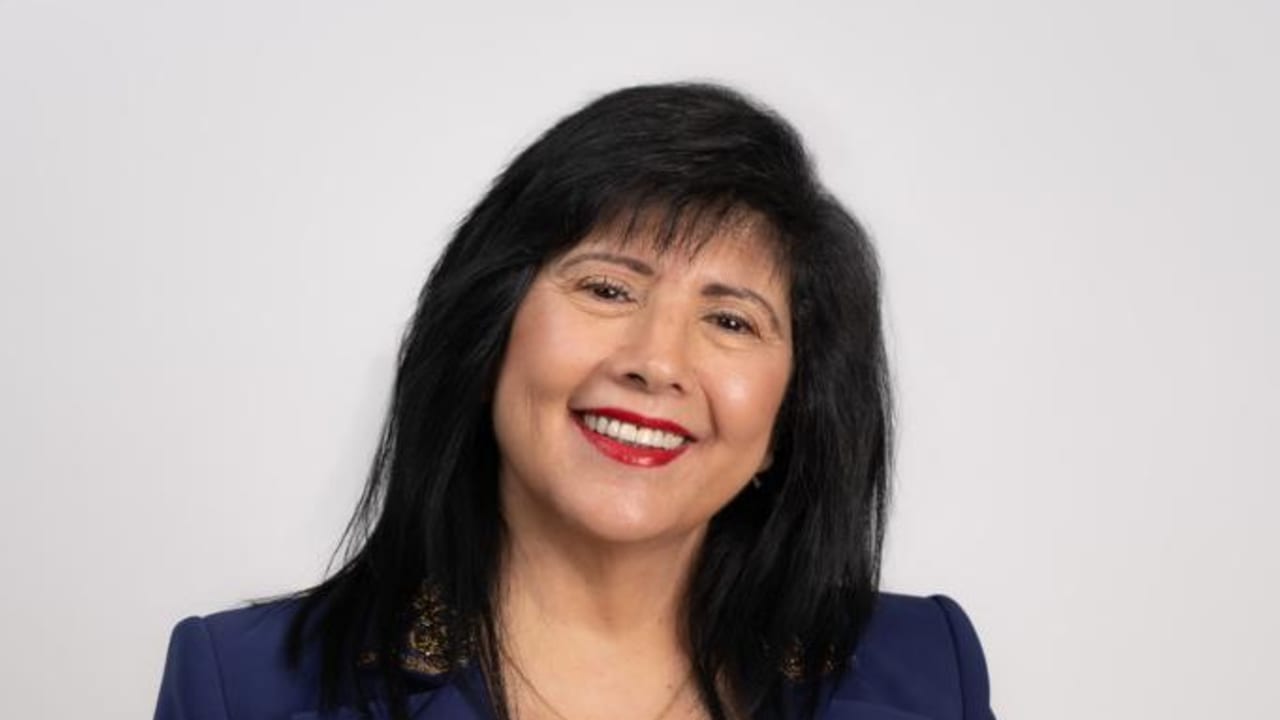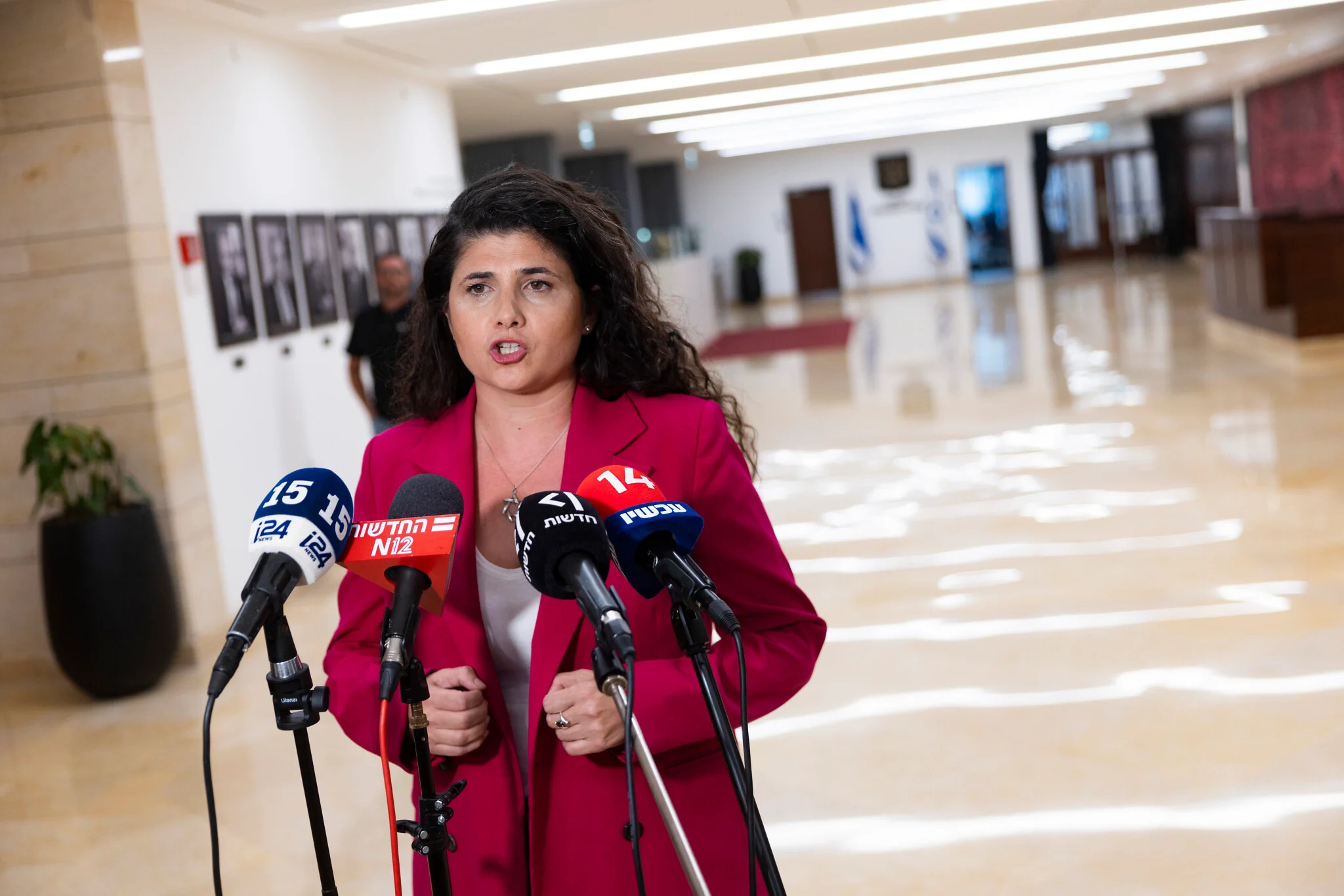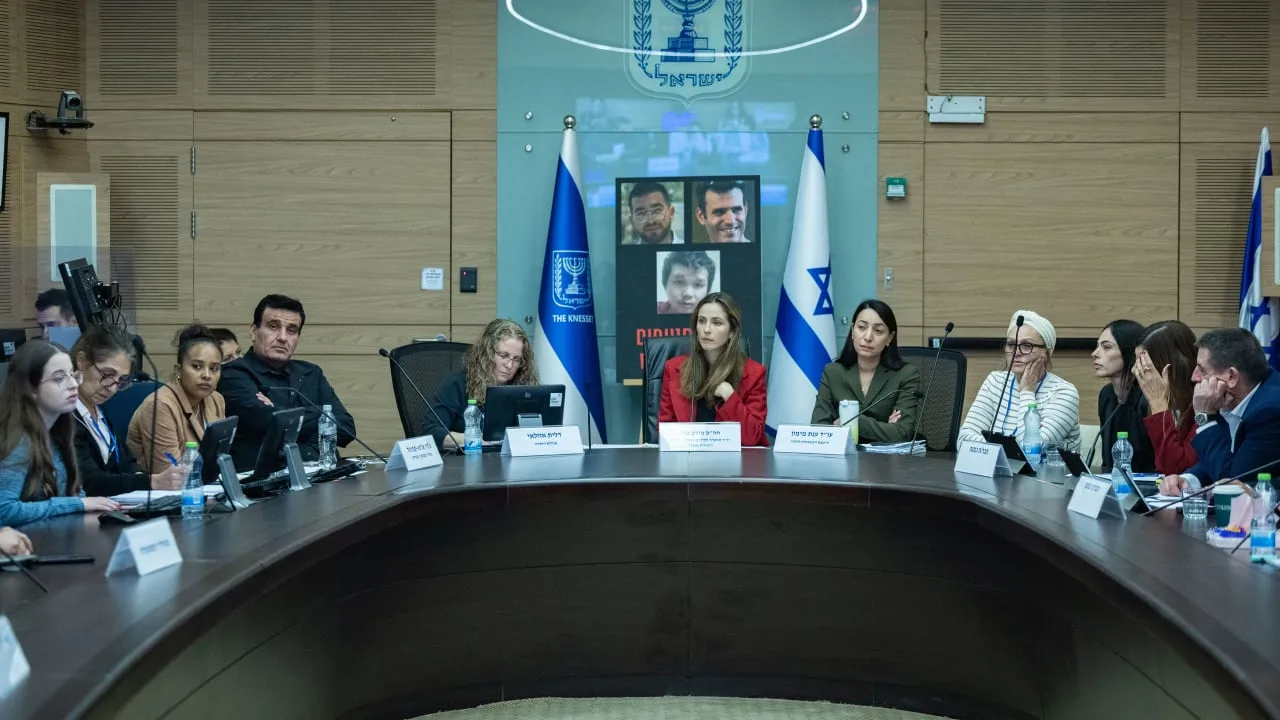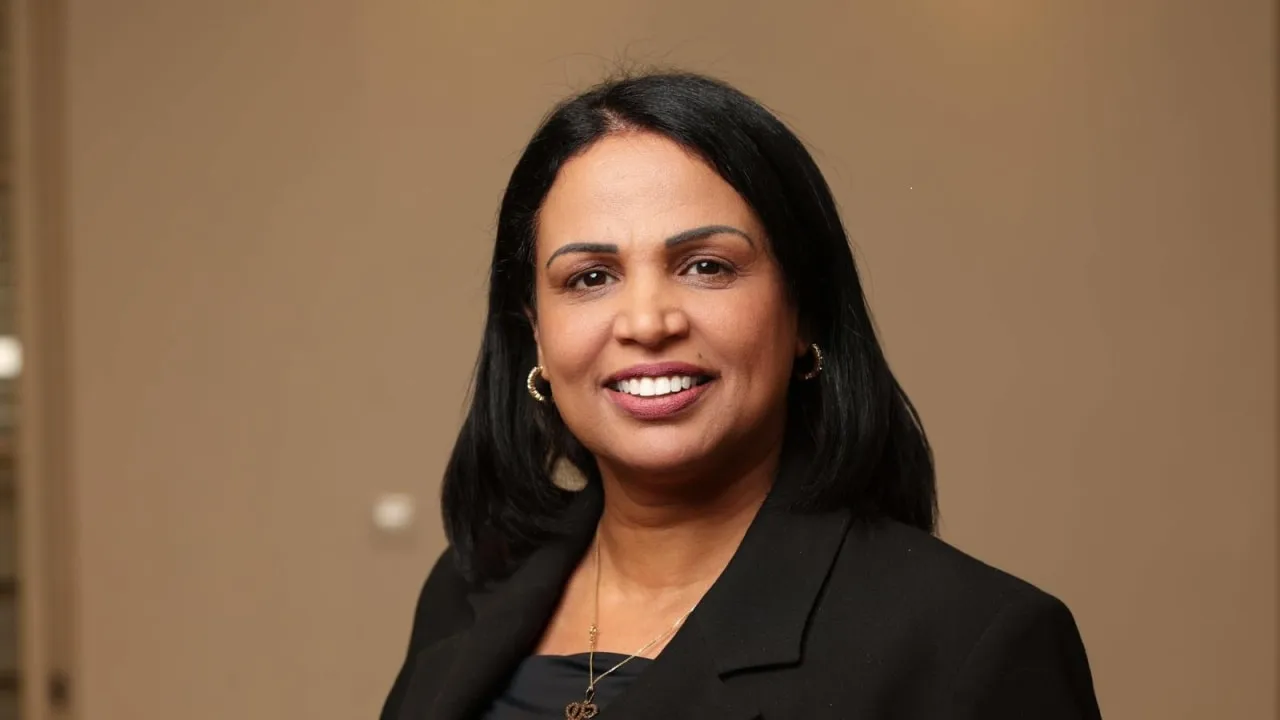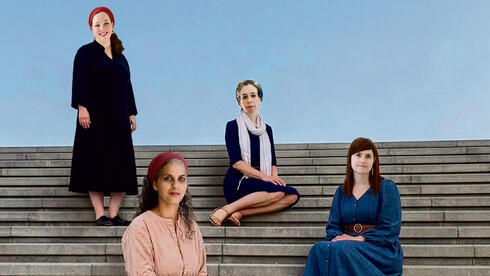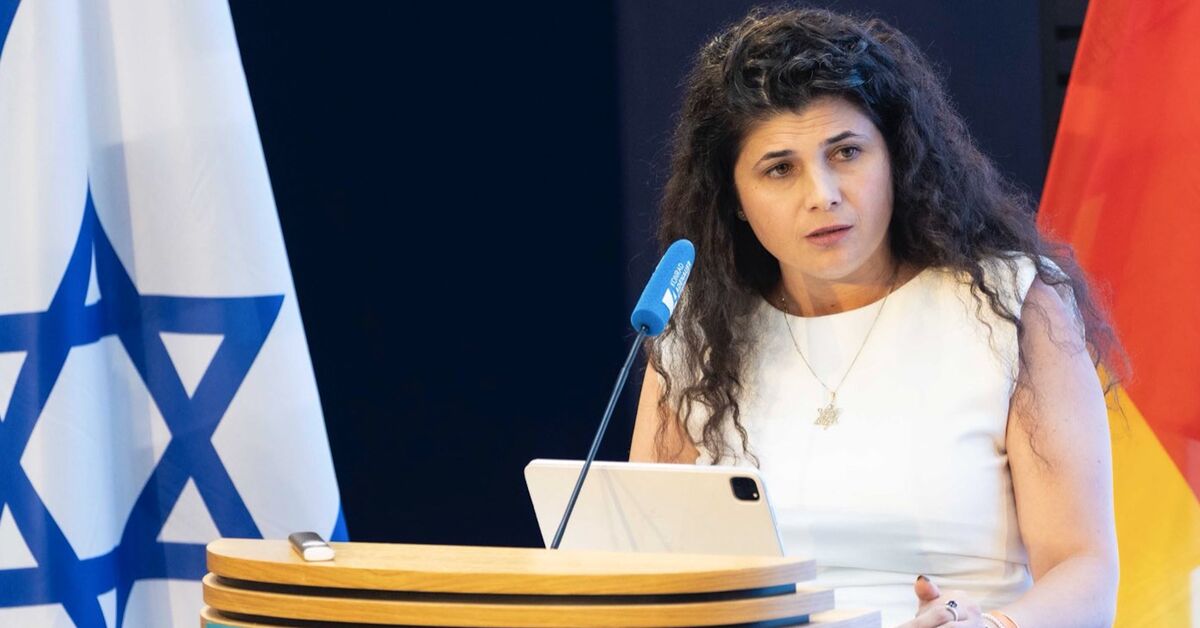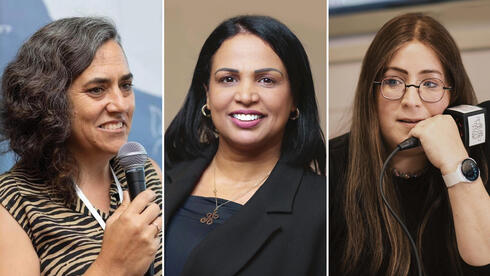
Yael Yechieli, Fany Sukenik and Hanan Alsana come from very different parts of Israeli society, but through the 50:50 initiative they share one goal: equal representation for women in politics and decision-makingKarina Shtotland|Four years ago, Yael Yechieli looked at the dwindling number of women serving in Israel’s Knesset, government ministries and senior public-sector positions and decided that being frustrated by the numbers was no longer enough.She wanted to do something about them. Yechieli founded 50:50, an initiative promoting equal representation for women in Israel’s centers of political and public decision-making.From left: Yael Yechieli, Hanan Alsana and Fany Sukenik (Photo: Rivki Tauber, Avigail Piperno-Beer and Tal Shahar)Its premise is simple: women should make up half of the people in the rooms where decisions affecting the country are made.That principle now shapes the group’s activity across a range of arenas. It presses conference organizers to invite equal numbers of women and men, arguing that there is no shortage of qualified female speakers. It encourages women to put themselves forward for major honors, including the Israel Prize.Most importantly now, with Israel 2026 elections on the agenda, the initiative is pushing political parties to adopt gender-balanced candidate lists.Yechieli is under no illusion about the scale of the challenge. She sees the figures, hears the resistance and knows that changing entrenched political structures is a long process.But for her, the case for women’s representation does not depend on ideology, ethnic background or religious identity. Women, she argues, need to be present wherever decisions are made because those decisions directly shape their lives.Since its founding, 50:50 has expanded to include women from very different sectors of Israeli society, among them Hanan Alsana, a Bedouin human rights lawyer, and Fainy Sukenik, a Haredi social activist.Each works within her own community, encouraging women to enter public life, raising the issue in the media and pressing politicians to move toward gender-balanced lists.They know change will not happen by itself. They also insist that the familiar argument that there are simply “not enough qualified women” no longer withstands scrutiny.Tell us briefly about yourself.
Three women, three worlds: Secular, Haredi and Bedouin women unite for political parity
Yael Yechieli, Fany Sukenik and Hanan Alsana come from very different parts of Israeli society, but through the 50:50 initiative they share one goal: equal representation for women in politics and decision-making
1,531 words~7 min read