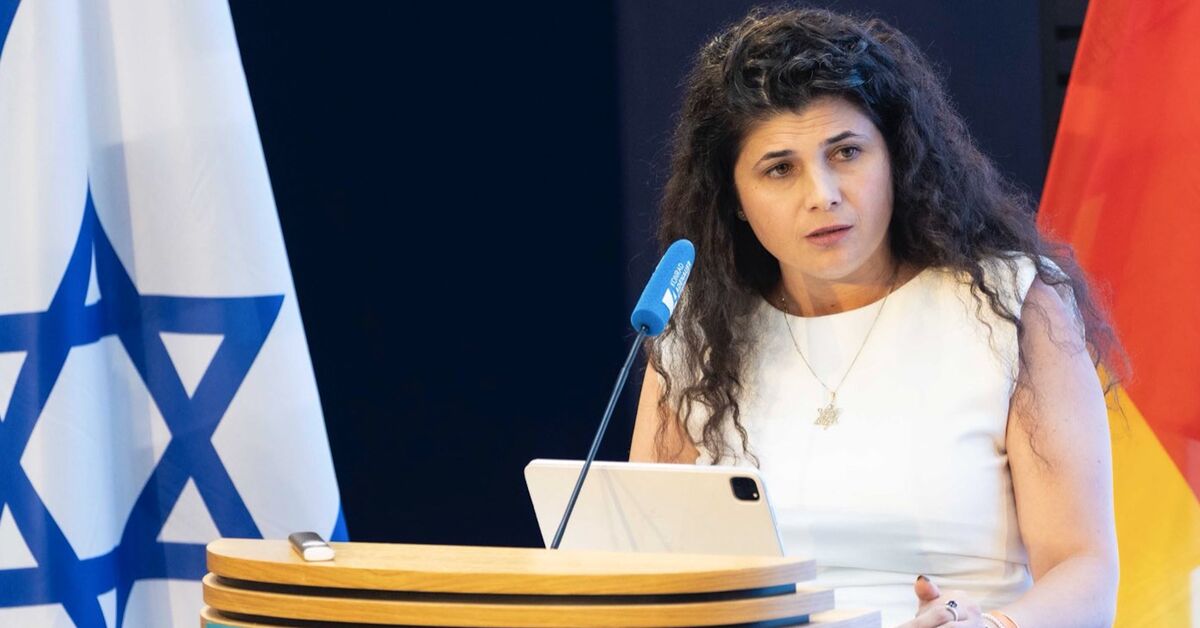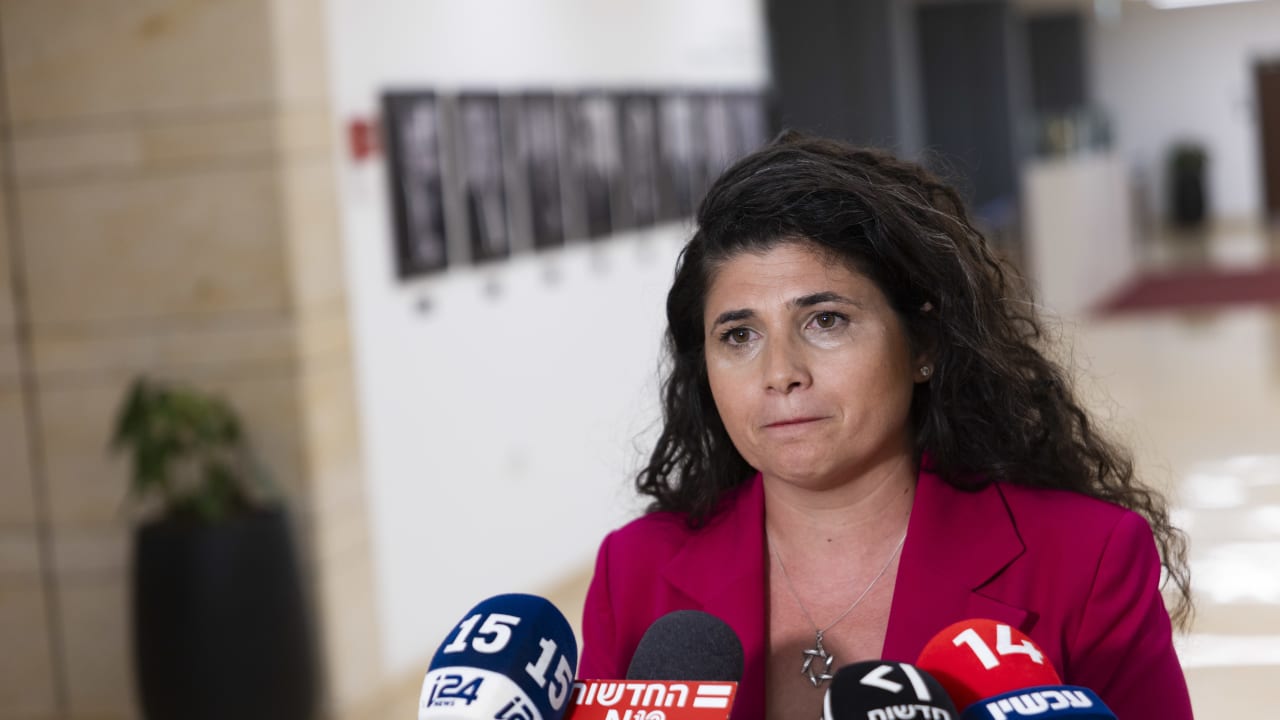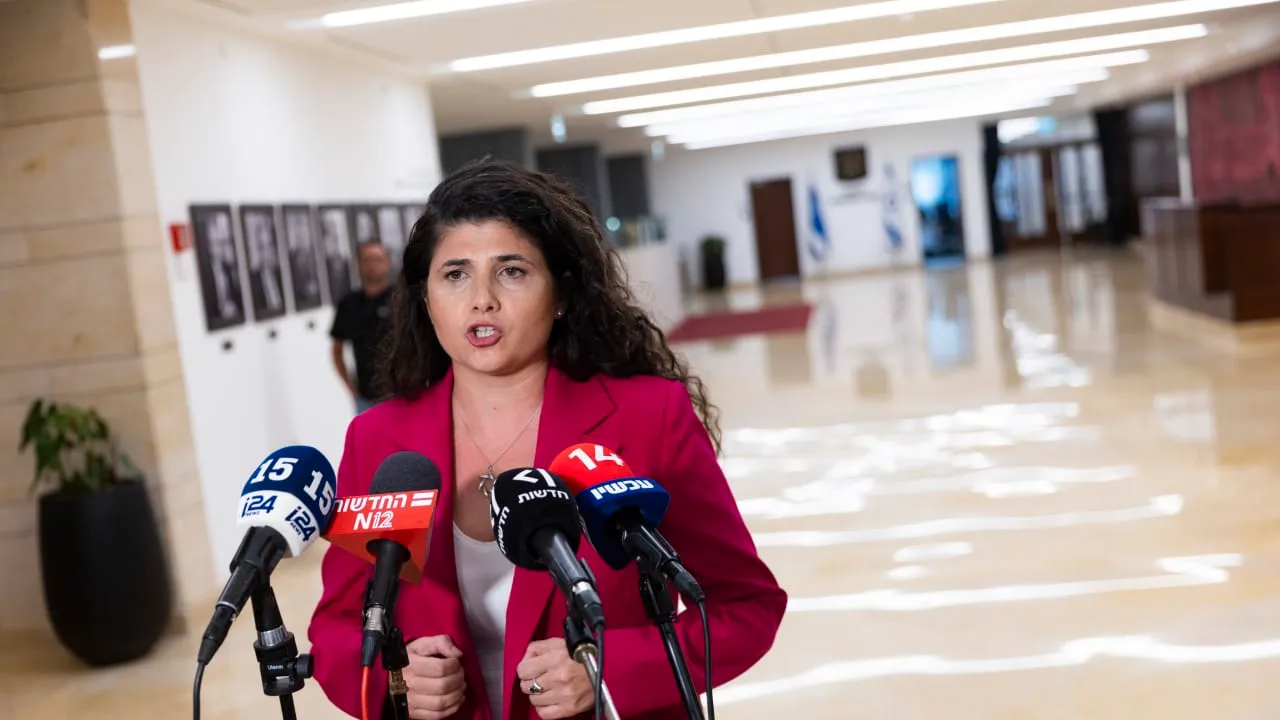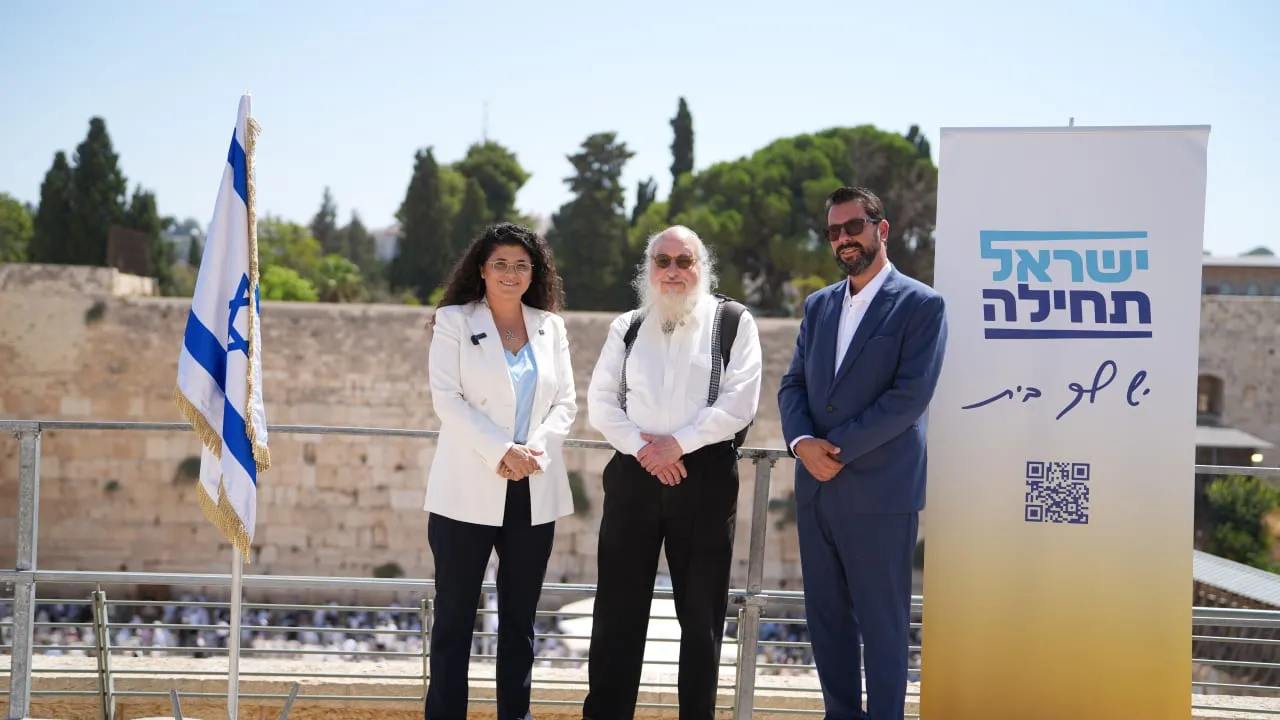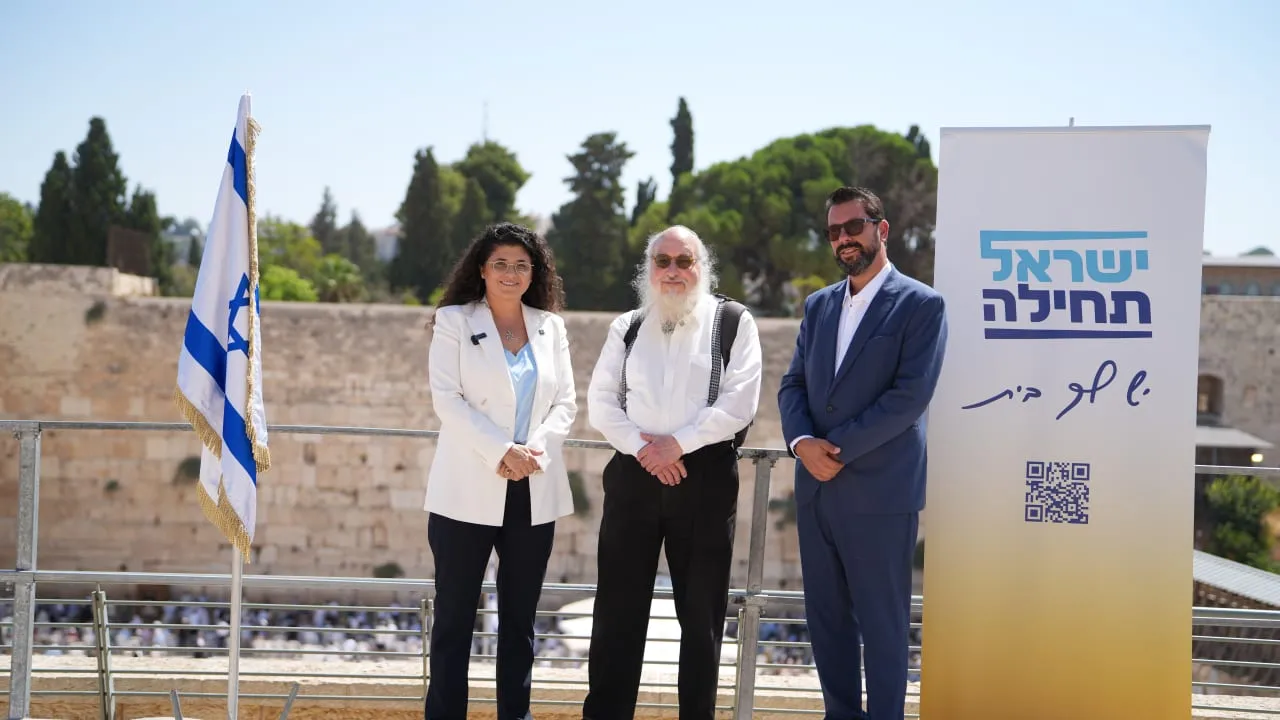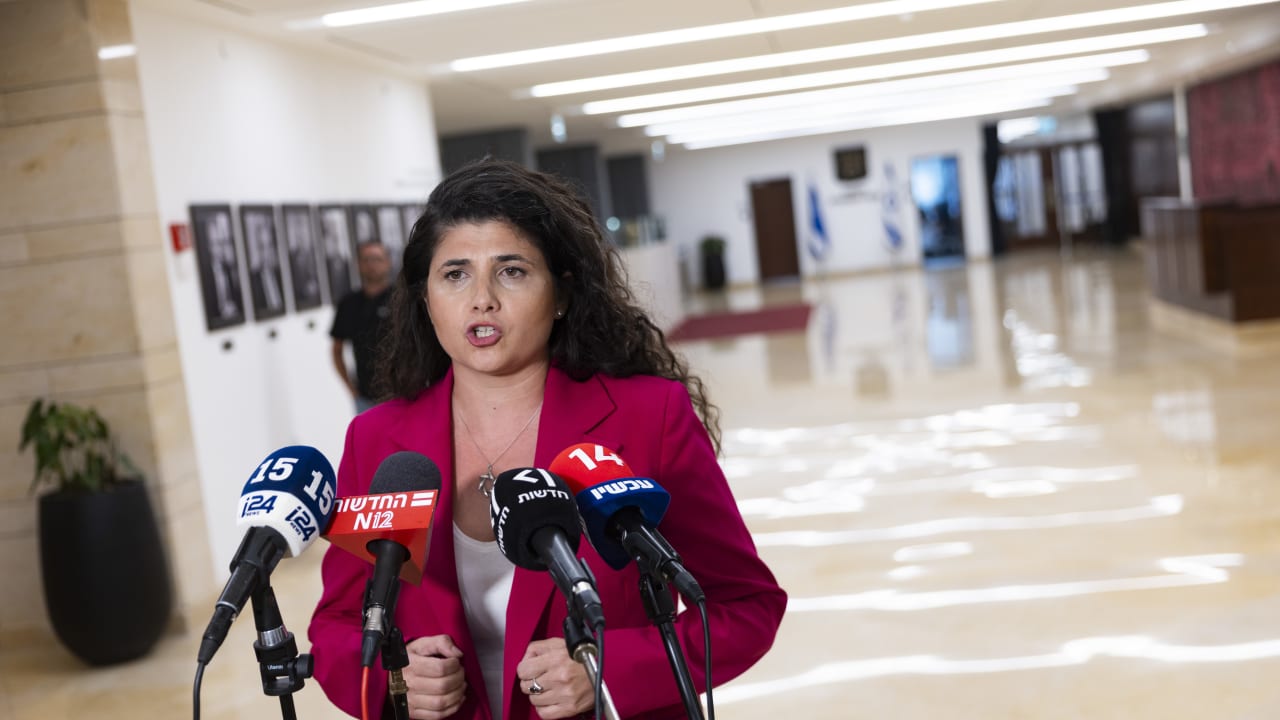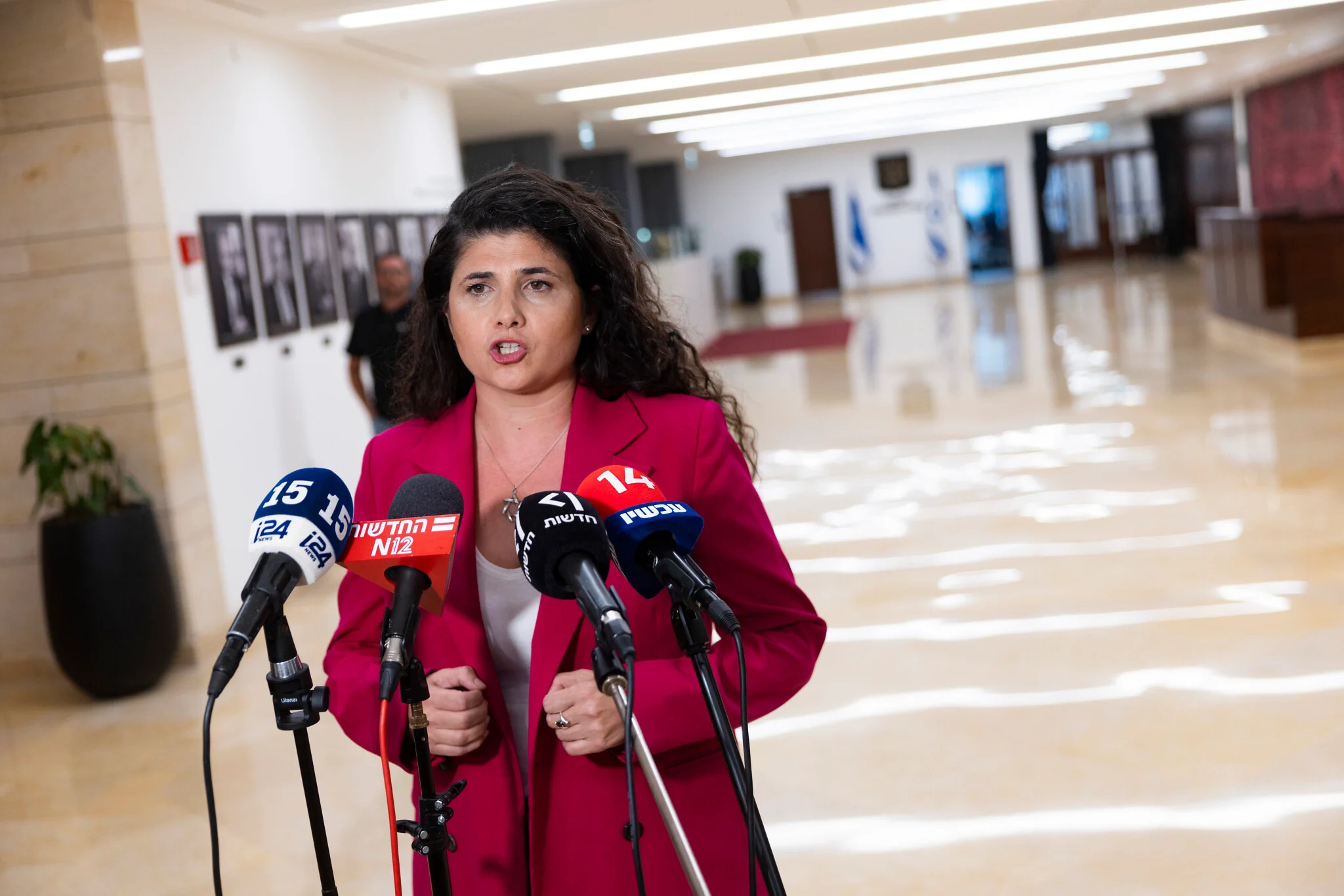
On a warm afternoon last week, former deputy foreign minister Sharren Haskel sat in a circle with a small group of associates and advisers in the center of a fifth-floor office in the central Israeli city of Herzliya, discussing strategy.
Aside from Haskel and her colleagues, the space was empty and quiet — not what one would expect of a political campaign just over two months before a major national election.
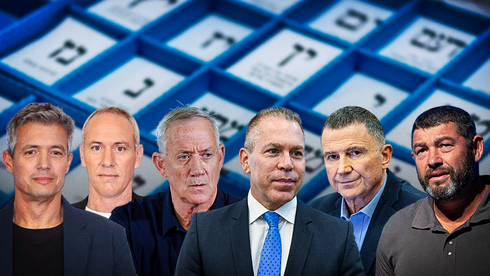
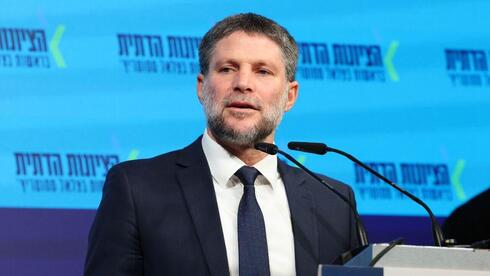
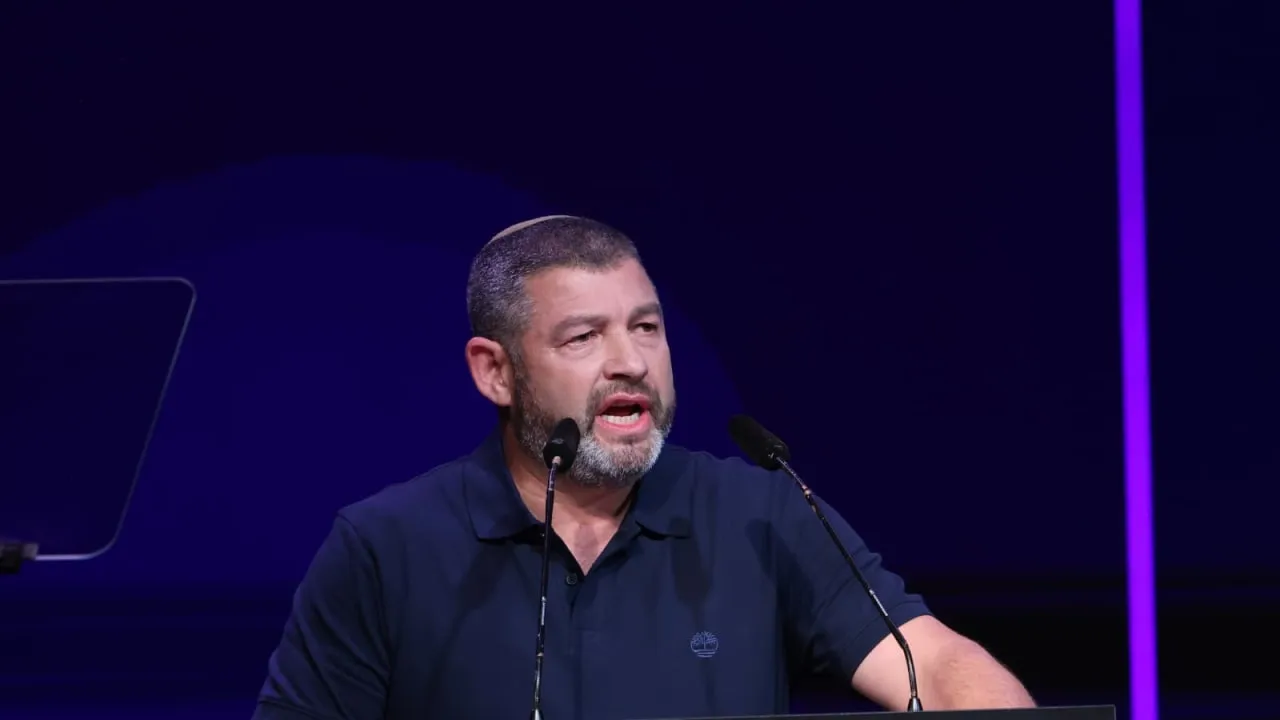
Lacking the recognizability of leaders of other new parties and competing for votes in a jammed field of upstarts created by fellow disgruntled ex-Likud members and allies, Haskel’s Israel First party faces long odds in the upcoming election, with wide speculation that it will merge with another party rather than attempt an independent run.
Yet speaking to The Times of Israel, Haskel was insistent that her party was more than just a merger vehicle circling for a place to pull in, even if another faction’s parking lot is her most likely destination.
“I had to create a political home where I feel whole, a right-wing party that speaks about freedom, about unity, about recruiting the ultra-Orthodox [to the IDF] — and that will be able to create unity the day after the elections,” Haskel said, sitting in a small, glass-walled conference room on the side of the office.