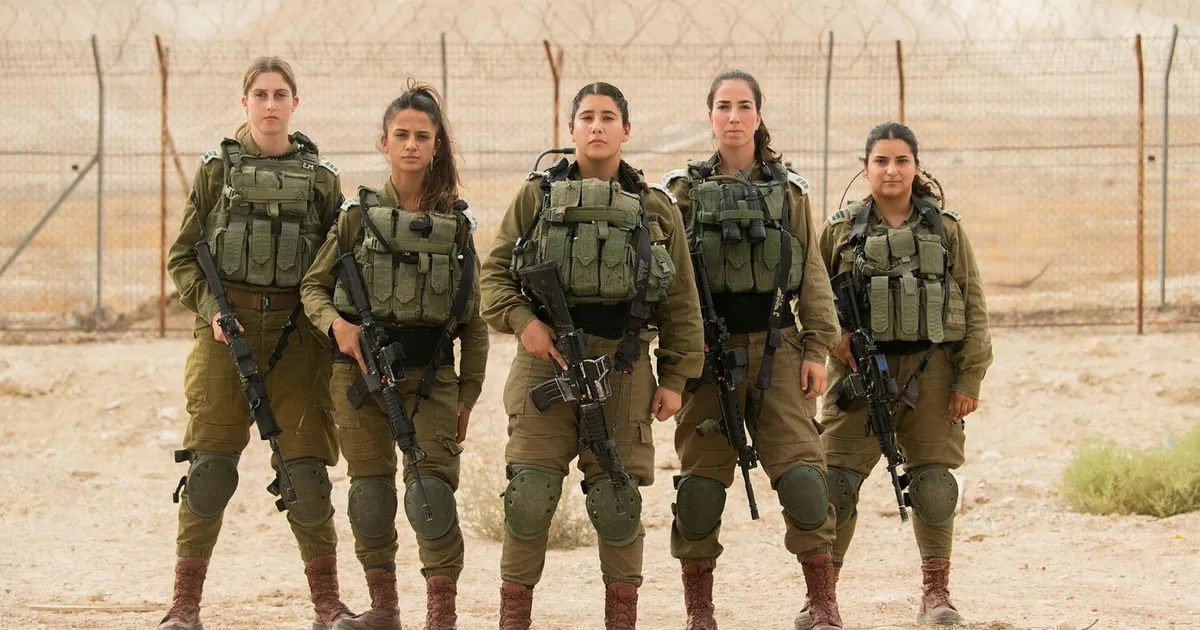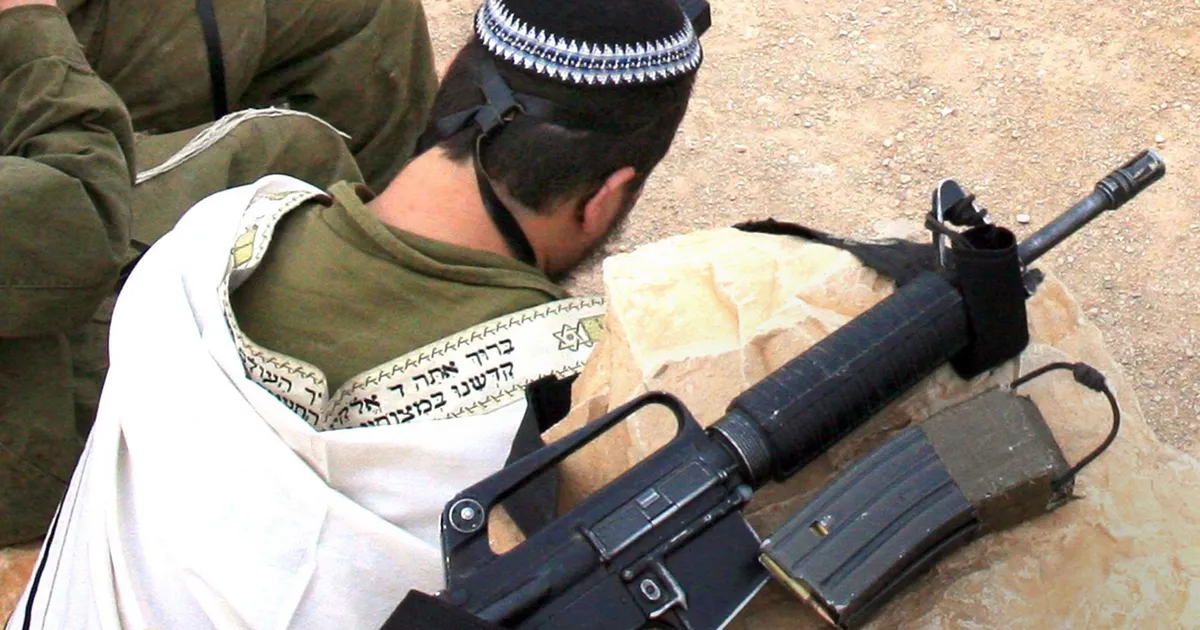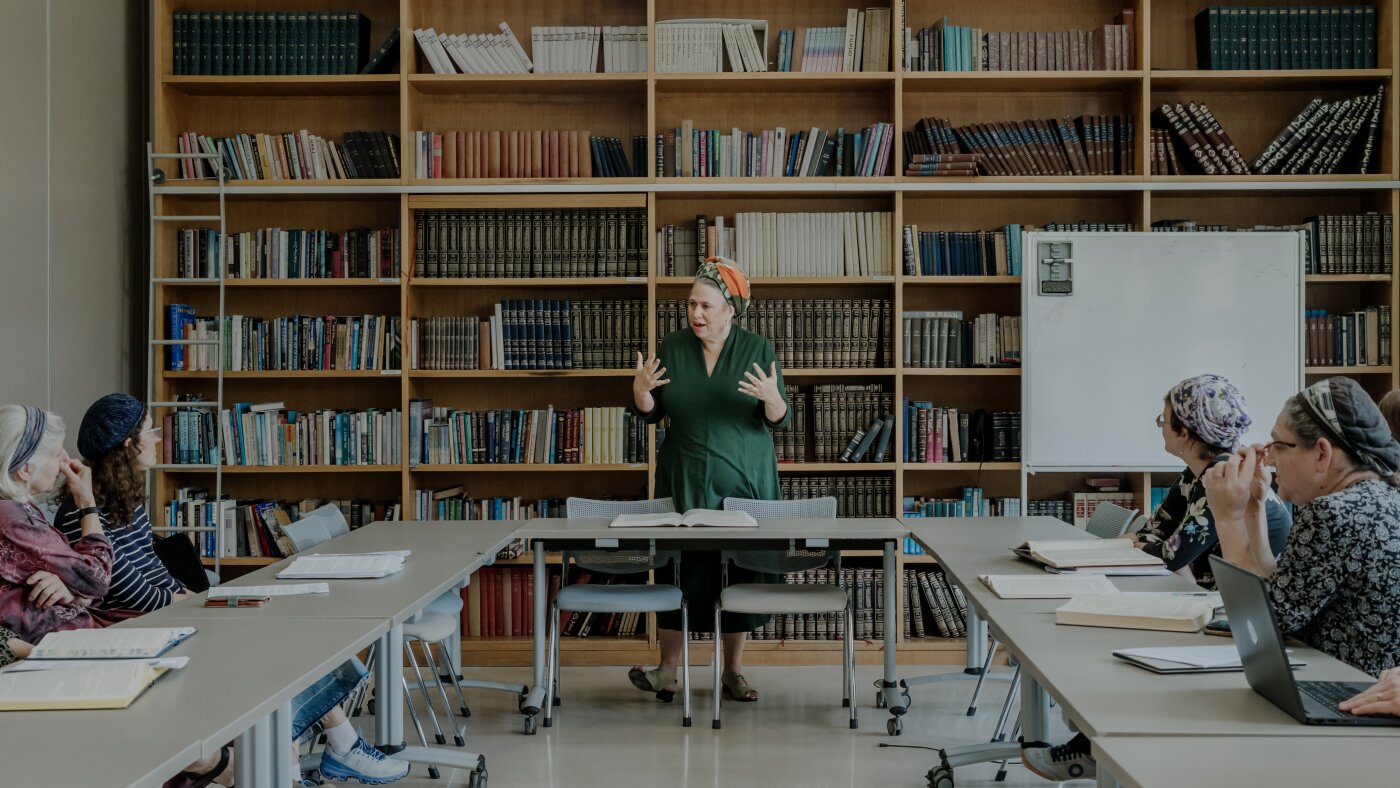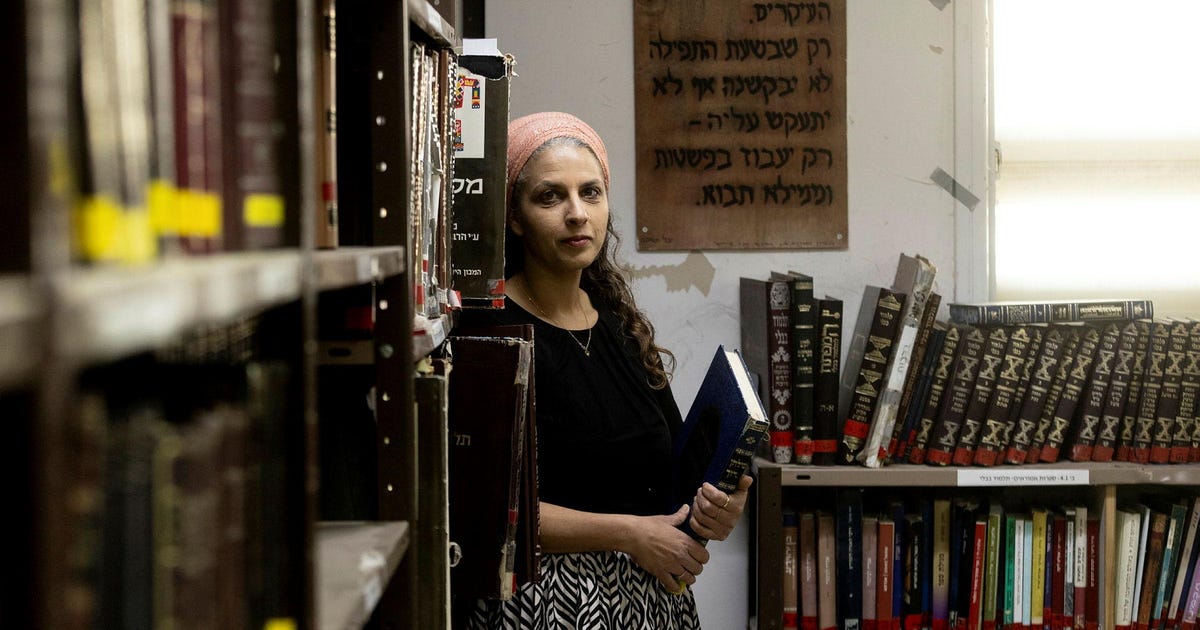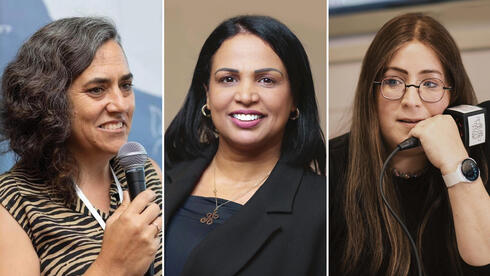
About two months ago, three women made Israeli history by taking the rabbinate’s official ordination exams; now the trailblazing rabbis recount the tense test day, family reactions and the next step toward full equalityTia Barak|Yaara Widman Samuel, a major in the reserves, used every spare minute she had in the war room at a base somewhere in northern Israel to open the Gemara and the Shulchan Aruch and study for the Chief Rabbinate exams. In civilian life, she is already a Torah authority at the religious Kibbutz Ein Hanatziv in the Beit She’an Valley, teaching Torah classes, answering questions of Jewish law and serving as a ramit — a rabbinic teacher — at the women’s seminary on the kibbutz.She completed advanced Torah studies and even received ordination from Maharat, an Orthodox institution that trains women to serve as spiritual and halachic leaders. But when the High Court of Justice handed down a precedent-setting, historic ruling after seven years of deliberations, forcing the Chief Rabbinate to allow women to take rabbinical exams, Widman Samuel knew she would register.7 View gallery (Photos: Dana Kopel, Effi Sharir, Romina Hendlin | Photo processing: Tamir Mashraki)“I’m doing this for my 10-year-old daughter. When she comes with me to the seminary, it’s obvious to her that she is part of the prayer service, and when she grows up and maybe wants to rule on Jewish law, it will be clear to her that this can be done in the State of Israel, exactly like a man. My children are growing up in a home where Torah is a beloved word, and a mother ruling on halacha is not a dirty word. The fact that this isn’t foreign to them is beautiful and sweet.”What was it like studying for the ordination exams while serving on active reserve duty?
Women challenge Israel's male religious establishment: 'My daughter will know a woman can rule on Jewish law'
About two months ago, three women made Israeli history by taking the rabbinate’s official ordination exams; now the trailblazing rabbis recount the tense test day, family reactions and the next step toward full equality
5,492 words~25 min read