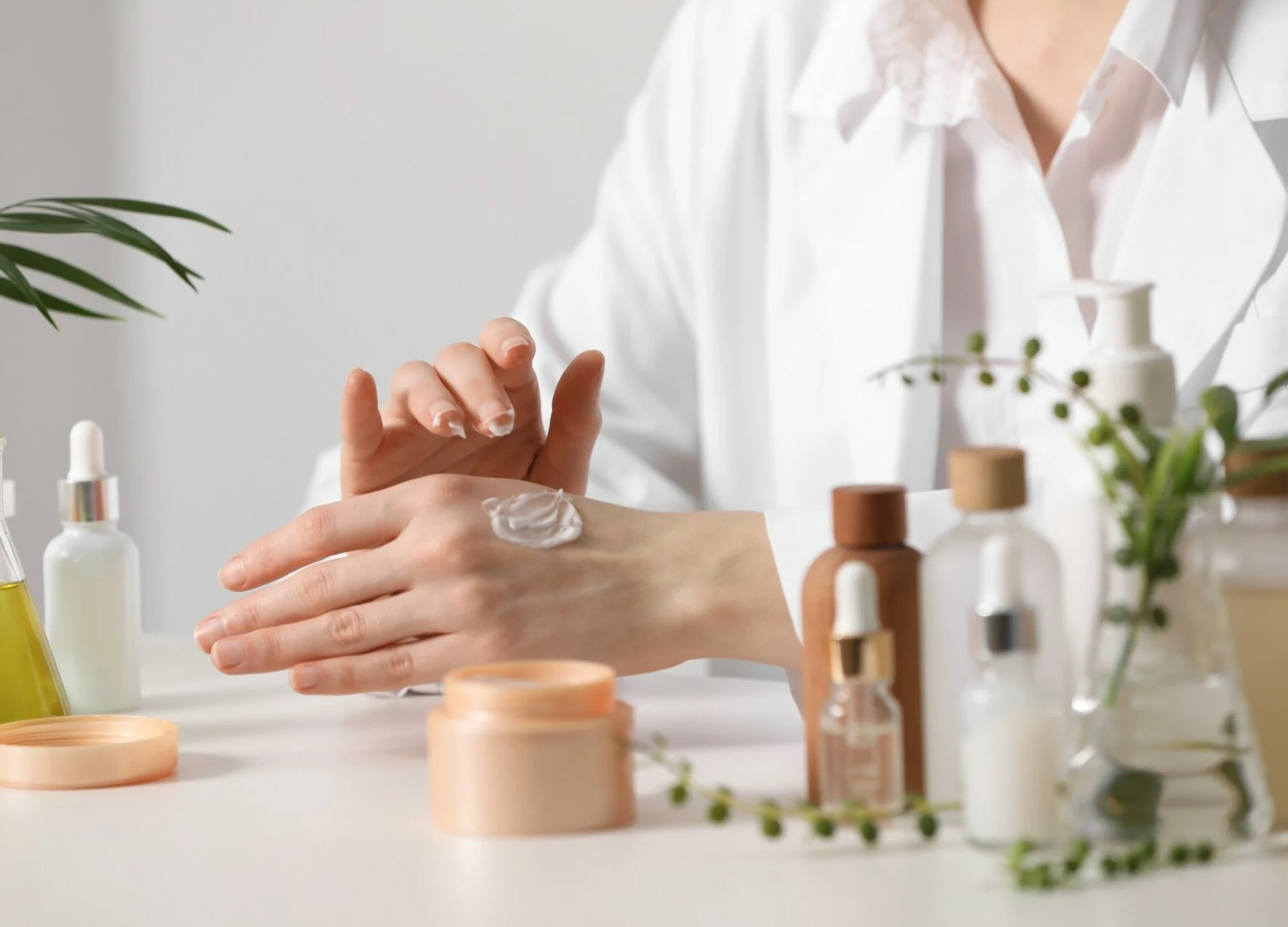
A fundamental shift is reshaping not only the beauty industry but also the sector’s broader retail landscape, according to a NielsenIQ (NIQ) study, “Beauty Beyond the Mirror: The Rise of Wellness, Self-Care and Everyday Rituals” (Q4 2025, covering 58 markets).The findings point to a clear shift in recent years: beauty is moving away from the traditional, narrow focus on appearance and evolving into a holistic lifestyle experience. Consumers are no longer limiting themselves to skincare and makeup products, but are incorporating beauty into their everyday lives through choices related to nutrition, sleep, mental balance and personal wellbeing.This is paving the way for different sectors of the economy to converge on a new common platform spanning personal care, health, beauty and even home care products.According to NIQ, “this is not simply a trend, but a new reality, in which wellness acts as an umbrella bringing together different categories and creating new consumption behaviors.” Categories that until recently were considered peripheral — such as dietary supplements, oral care, sleep products and home self-care — are increasingly becoming part of the broader beauty ecosystem. Beauty is acting as a link between different needs, from physical fitness and nutrition to emotional wellbeing.The modern consumer is more informed than ever, with access to a broad range of information sources, but is also under considerable pressure due to economic insecurity and geopolitical uncertainty.At the same time, information overload is increasing confusion, as conflicting messages about what is considered “healthy” or “right” are strengthening the need for credibility. In this environment, brands that succeed in building authentic relationships of trust stand out, as their value is no longer limited to the product itself but extends to the overall experience they provide.Consumers have also redefined self-care, readily adopting and abandoning habits while showing a greater willingness to experiment. The result is a more dynamic, fluid market that is increasingly receptive to innovation.Sun protectionThe self-care and cosmetic dermatology trend also extends to sun protection, which is no longer limited to the summer months but is becoming part of consumers’ routines throughout the year.This year in particular, a new generation of products has emerged, upgrading the role of sunscreen in everyday routines by combining technology, skincare and innovation. The aim is not only to address the effects of solar radiation on the skin, but also to provide ongoing support through anti-aging ingredients and protective filters.The advanced formulas incorporated into modern sun-care products are designed to offer comprehensive protection and prevention, and in some cases to support skin repair.Brand equityIn the changing consumer environment, retailers are being called upon to redefine their role. E-commerce is gaining ground, while social commerce is transforming the way consumers discover products, as the power of social networks can generate demand within a very short period and bring new categories into the spotlight.In the Greek market, this transition has some distinctive characteristics. Nielsen analysts point out that Greece’s cultural heritage — from Hippocratic philosophy to thalassotherapy, thermal springs and the use of herbs — gives the cosmetics sector distinctive characteristics, creating a strong foundation for the development of modern wellness culture.According to NIQ ScanTrack Plus data (MAT ending April 2026, Total Greece Supermarkets, Superettes, Hard Discounters & Islands), categories including scented candles (+5.8%), air fresheners (+14.3%), denture care (+7.4%), electric toothbrushes (+8.2%), feminine hygiene (+5.7%) and shaving foam (+2%) recorded notable volume growth over the past year.The Greek market continues to offer significant room for growth, particularly in categories that are expanding rapidly internationally. These gaps are emerging as opportunities for further development.According to data from the European Cosmetics Industry Association, the Greek cosmetics market is valued at 1.7 billion euros.
Cosmetics retail is changing: New trends and consumer habits
The findings point to a clear shift in recent years: beauty is moving away from the traditional, narrow focus on appearance and evolving into a holistic
637 words~3 min read