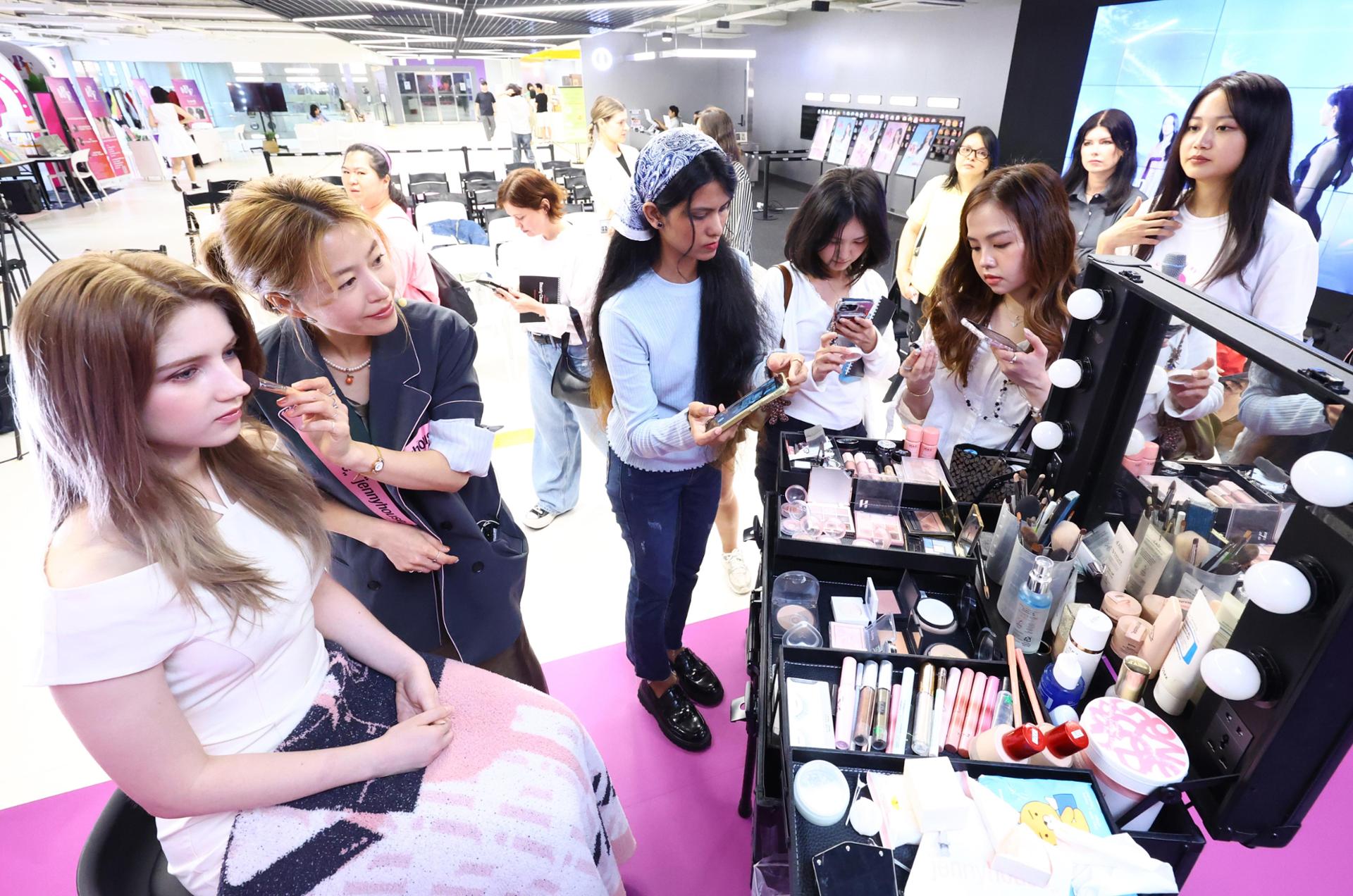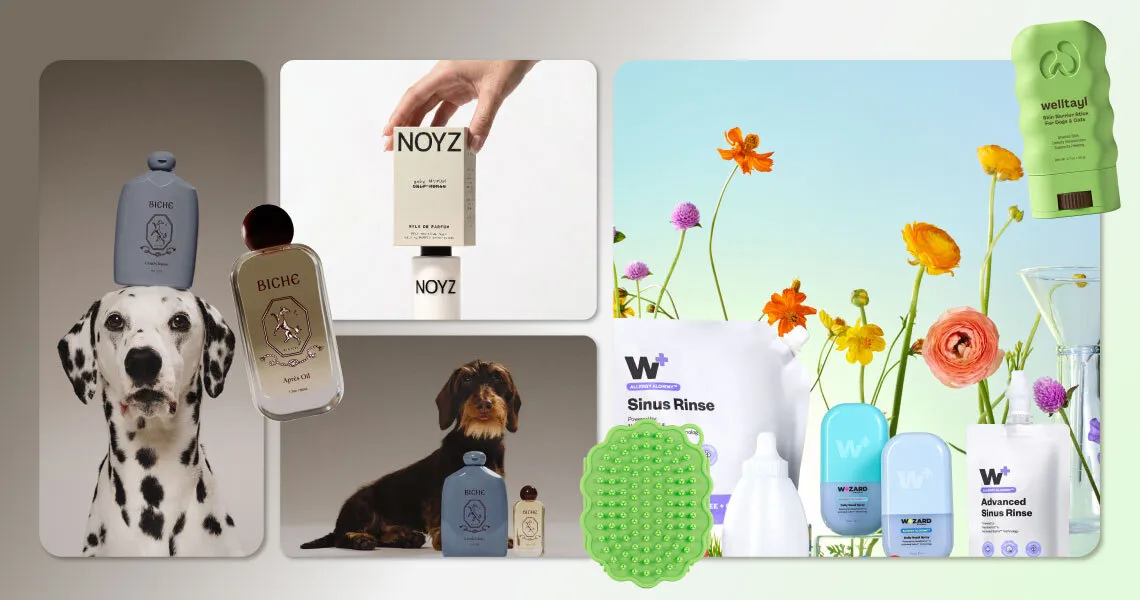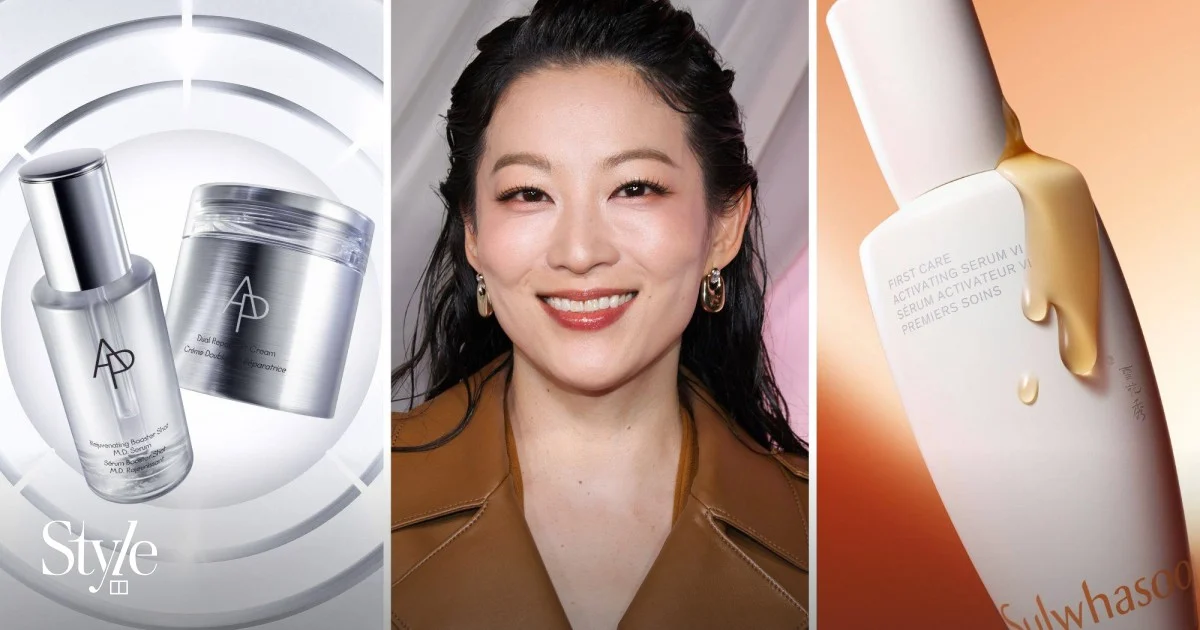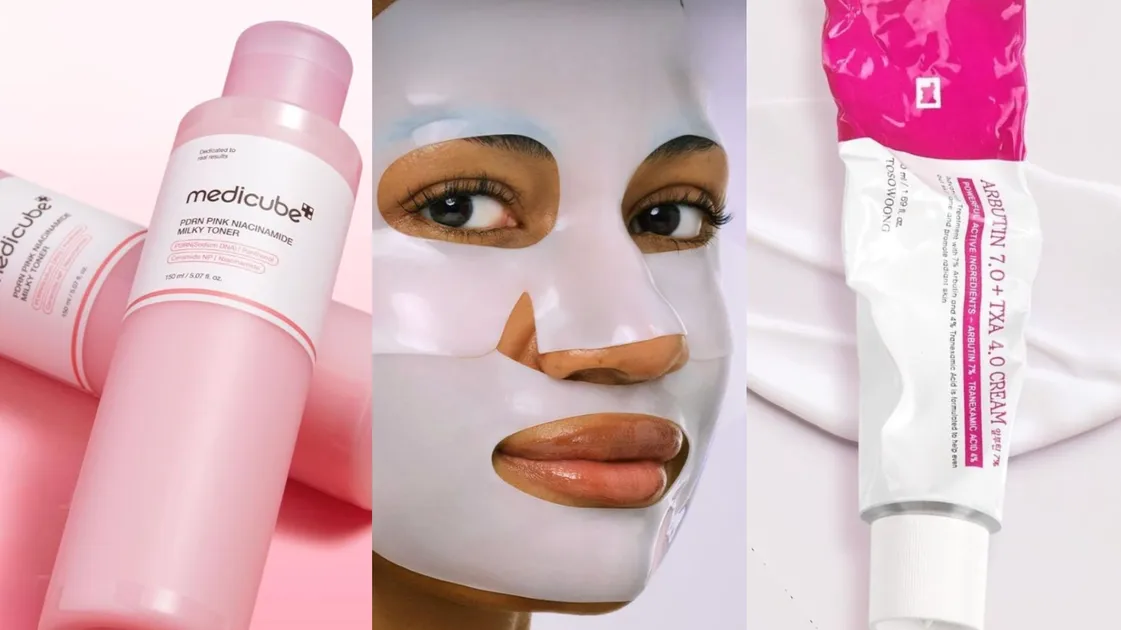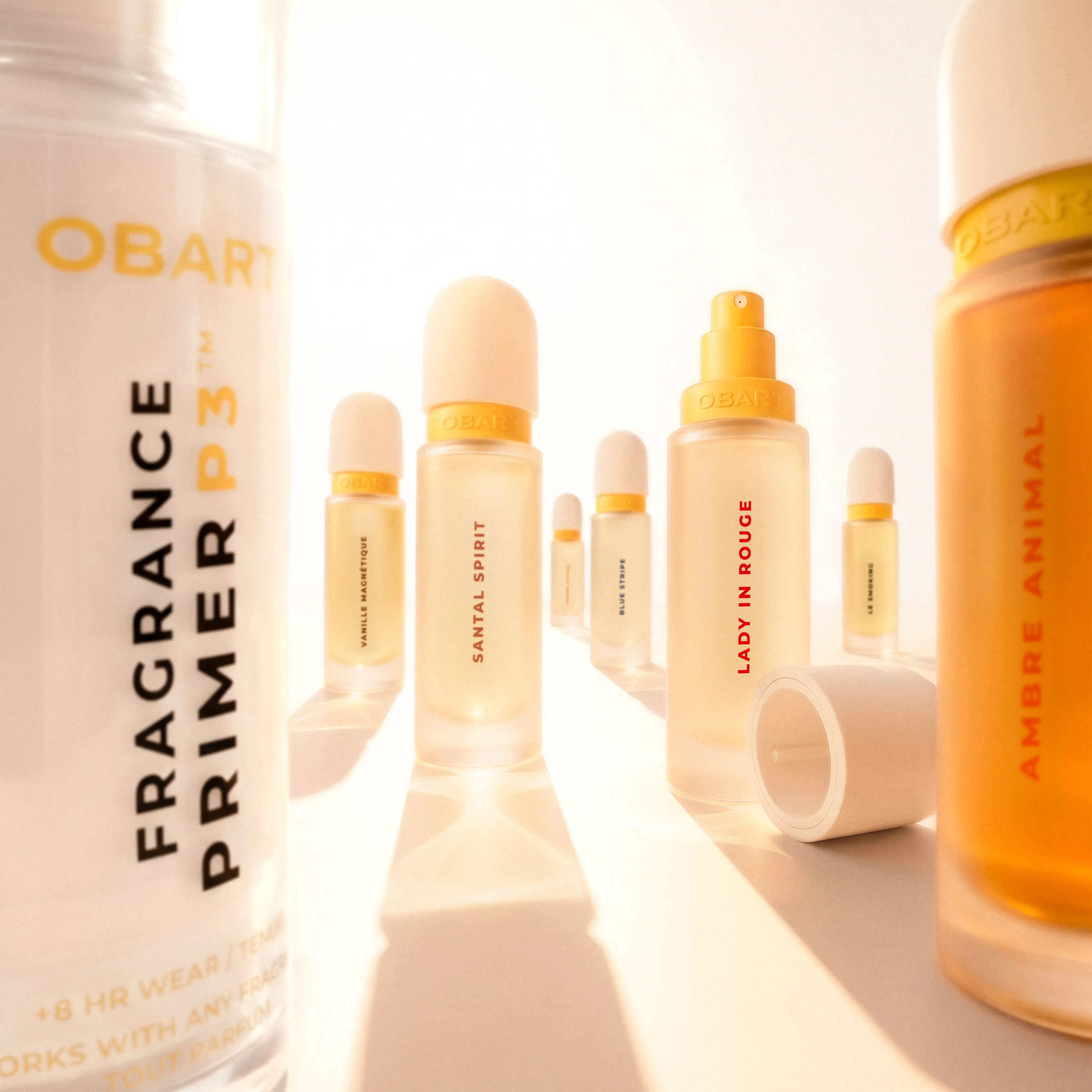
This week, I checked in on K-beauty’s growth beyond traditional beauty categories like makeup and skin care, into everything from menstrual products to “scent care.” Additionally, Katie Jane Hughes’ makeup brand gears up for its Sephora debut, and Amouage reports yet more sales growth.
When the first K-beauty wave hit the U.S. market in the 2010s, the trend was largely synonymous with skin-care rituals built around sheet masks and buzzy ingredients like snail mucin serum. By 2026, you can find K-beauty’s influence in all kinds of personal care products — including in your lube.
“We always say that you know South Korea brought skin care to your bathroom shelf, and now Mila’s bringing it into your bedroom,” said Ada Trujillo, co-founder of sexual wellness brand Mila. Trujillo and Kim Aviv developed the formulations for their brand’s lubricants and vulva wipes in South Korea with “skin-care grade ingredients” like camellia sinensis leaf water and collagen. In June, the Miami-based sexual wellness brand emerged from stealth with $2.5 million in funding led by Mensch VC and Sticker Ventures.
A decade on from its first global explosion, the K-beauty trend has spread across beauty’s core categories, from makeup and skin care to hair and fragrance. And with the demand for Korean innovation only growing, K-beauty and K-beauty-inspired brands are seeing just how far they can push the category.