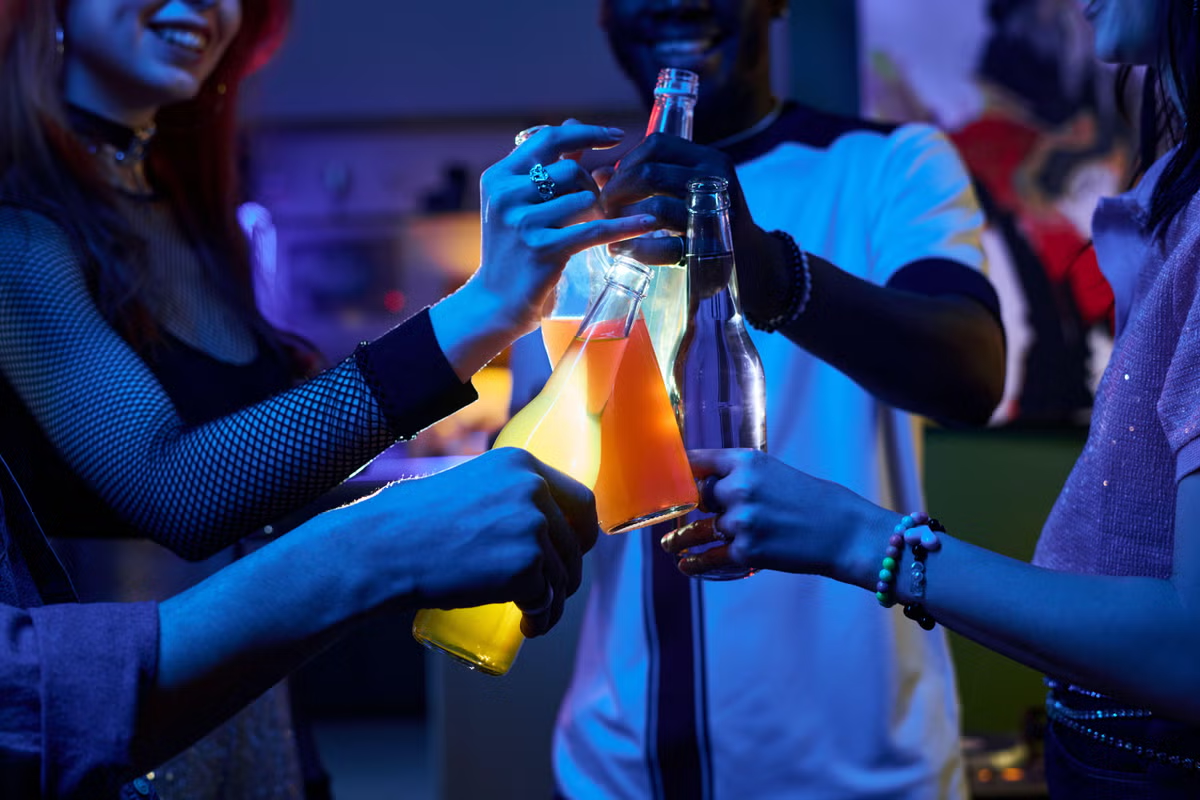
Over the coming weeks, thousands of young people will step onto university campuses nationwide for the first time, immersing themselves in the excitement and chaos of Freshers’ Week.Although it is an ideal opportunity to forge new friendships and create memories, navigating unfamiliar surroundings can also heighten the vulnerability of first-year students.Colin Mackie, chair and co-founder of Spike Aware UK, warned: "They’re starting a big adventure in life and are in areas that they’re not used to being in and are with people they don’t really know, so they’re a bit more vulnerable to people trying to take advantage of them,"For this reason, it remains essential for students to recognise what spiking entails, identify key symptoms, and understand what steps to take if they or a friend are targeted.Here is the key information everyone should know about spiking.Spiking doesn’t just happen through drinks“Spiking is administering a drug to somebody without their consent,” explains Mackie. “Some of the common ways it can be done is through alcohol, needles and vapes. Spiking can also be done through food, and there are other ways of administering the drugs as well.”It affects people very quicklyA big telltale sign of spiking is that it affects victims extremely fast.Colin Mackie, chair and co-founder of Spike Aware UK, warns that spiking can be fatal, especially if the victim is already on medication (PA)“You might have only just started drinking your drink, and then all of a sudden, you start feeling dizzy or sleepy,” says Mackie.“It can also cause hallucinations, and sometimes people can become aggressive through it as well.“People often think that spiking victims are drunk because the symptoms are very similar, and that’s what causes a lot of confusion.”Stay with a victim and seek help“If you think your friend has been spiked, make sure that you stay with them,” advises Mackie. “If they continue to deteriorate, then immediately get medical help.“If you’re at a club or a venue, notify the staff immediately. Also, be wary of any strangers who suddenly offer to help because they could potentially be the person who carried out the spiking.”It can be life-threateningMackie warns that spiking can be fatal, especially if the victim is already on medication.“When a drug is added to someone’s system on top of existing medication, it can lead to disastrous consequences,” says Mackie. “The victim could also be allergic to certain compounds, such as penicillin, too which can also be life-threatening.”St John Ambulance has issued advice to the public on helping victims of spiking (Alamy/PA)Acting quickly is important“Some drugs can leave the system as quickly as six hours, so if you think you or a friend has been spiked, it’s important seek medical help straight away,” advises Mackie.“Part of the problem with spiking is it can affect your memory, so many victims only piece together what happened a few days later and by that point the drug will have left their system so many are hesitate to then report it.”Stay vigilant“Make sure that you see your drink being poured and are wary of any strangers offering to buy you a drink,” recommends Mackie.Get a drink covering“Walking through crowds with your drink uncovered makes you more vulnerable, so ask for your drink to be covered at the bar,” advises Mackie.Don’t leave your drink unattended“Never leave your drink unattended,” says Mackie. “If you need to go to the toilet, make sure someone who you trust stays at the table and makes sure that your drink is safe.”A big telltale sign of spiking is that it affects victims extremely fast (Alamy/PA)Soft drinks are also at risk“A lot of people think that if they’re drinking a soft drink that they’re safe, but it’s important to remember that every drink, soft or not, can be spiked,” says Mackie.Men can be spiked too“A lot of young men seem to think that spiking only happens to girls, but it can happen to anybody, anywhere at any time,” says Mackie. “Anyone is vulnerable to being spiked.”Call it out“If you hear a friend joking about spiking or about to do it, call them out there and then,” says Mackie. “Alienating them a little bit might hopefully stop them from doing it.“If you see it happening and you’re at a venue and you don’t know them, let a steward or a member of the bar staff know.”To find out more information, visit Spike Aware UK.
What are signs of drink spiking? The symptoms and what you need to do
While it’s a great time for meeting new people and making memories, being in an unfamiliar environment can also leave first-year students more vulnerable
727 words~3 min read