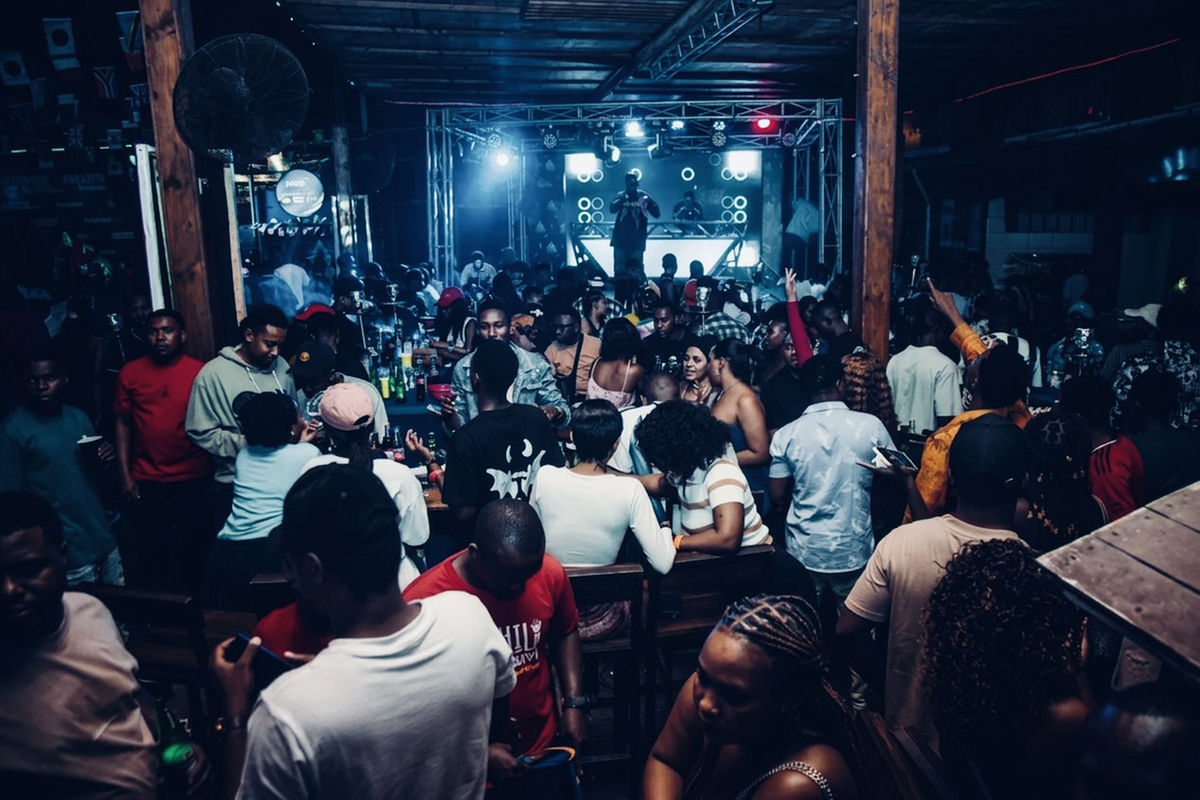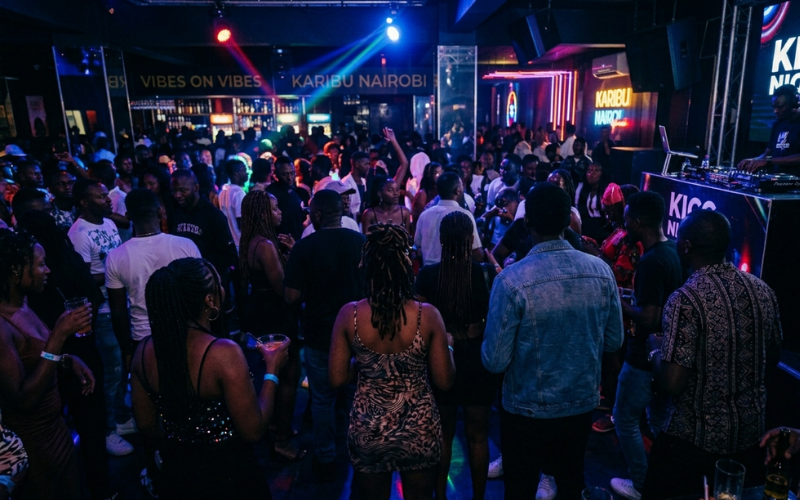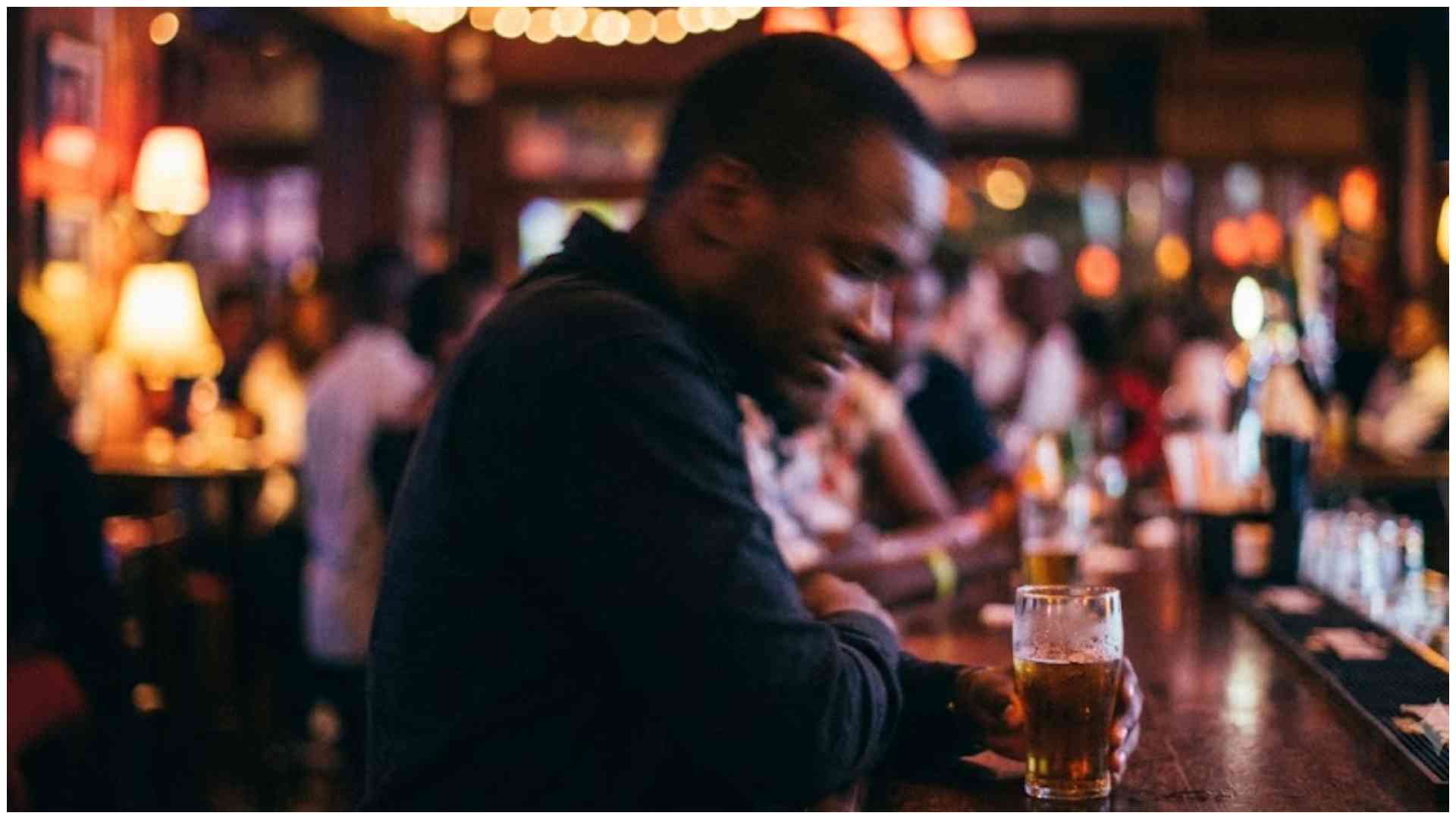
The evening begins the way thousands of others do across Nairobi and other towns every weekend. After a long day at work, friends agree to meet at a favourite club. Music fills the air, conversations grow louder with every passing hour and drinks keep flowing. It is meant to be a chance to unwind, laugh and momentarily forget the pressures of everyday life.
Then, without warning, something feels terribly wrong. A drinker, who moments earlier appeared perfectly normal, suddenly becomes unusually drowsy. Their speech slurs after consuming what seemed like a modest amount of alcohol. They struggle to stand, lose awareness of their surroundings and are eventually helped out of the club by people who appear to be friends or acquaintances.
Sometimes they wake up hours later in an unfamiliar place, robbed of their valuables and unable to remember what happened. Increasingly, however, some never wake up at all.
A disturbing rise in drink-spiking incidents has cast a dark shadow over Kenya’s nightlife, turning what was once dismissed as isolated criminal acts into a growing public safety concern. The incidents have sparked conversations about personal security in bars, the responsibilities of entertainment establishments and the deadly consequences of mixing alcohol with powerful sedatives.