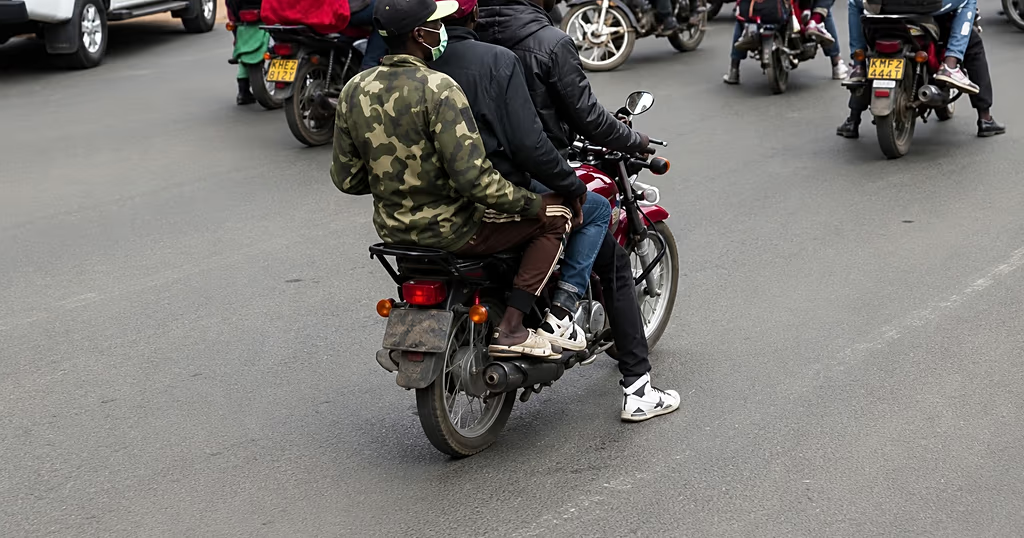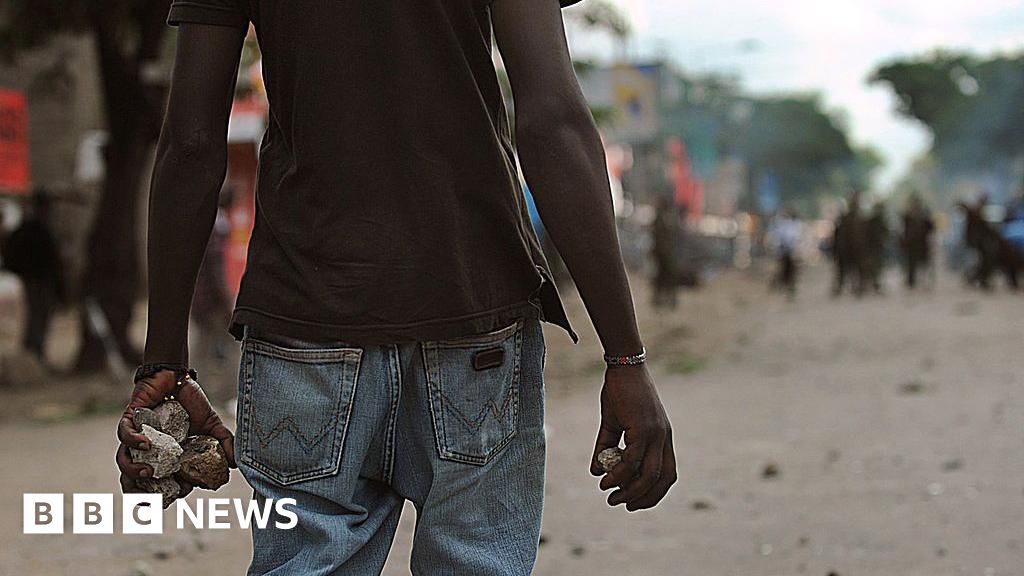
For Brian Ongore, a resident of Kenya's capital, Nairobi, seeing groups of young men in public has become a source of anxiety rather than an ordinary part of city life.
"Whenever you see a group of youths, you're just in panic because you never know what will happen to you next," Ongore told DW. "Everybody is in constant panic. The general feeling of safety has gone down. It's like you're living in the jungle."
His concerns echo growing fears among many Kenyans, particularly since recent violent disruptions at opposition-linked gatherings in the towns of Kisumu and Nyahururu.
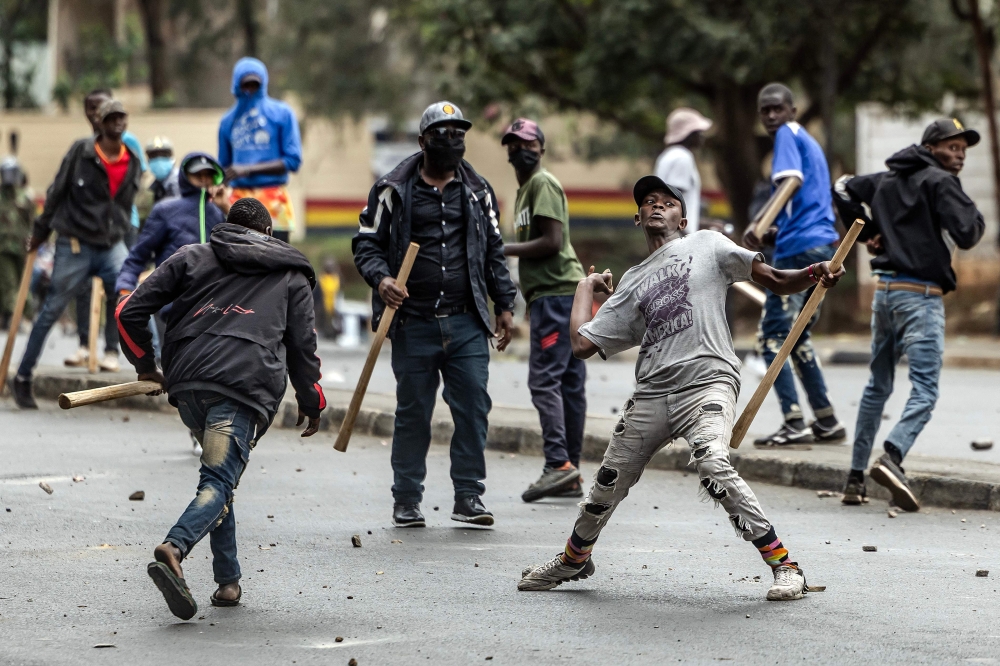
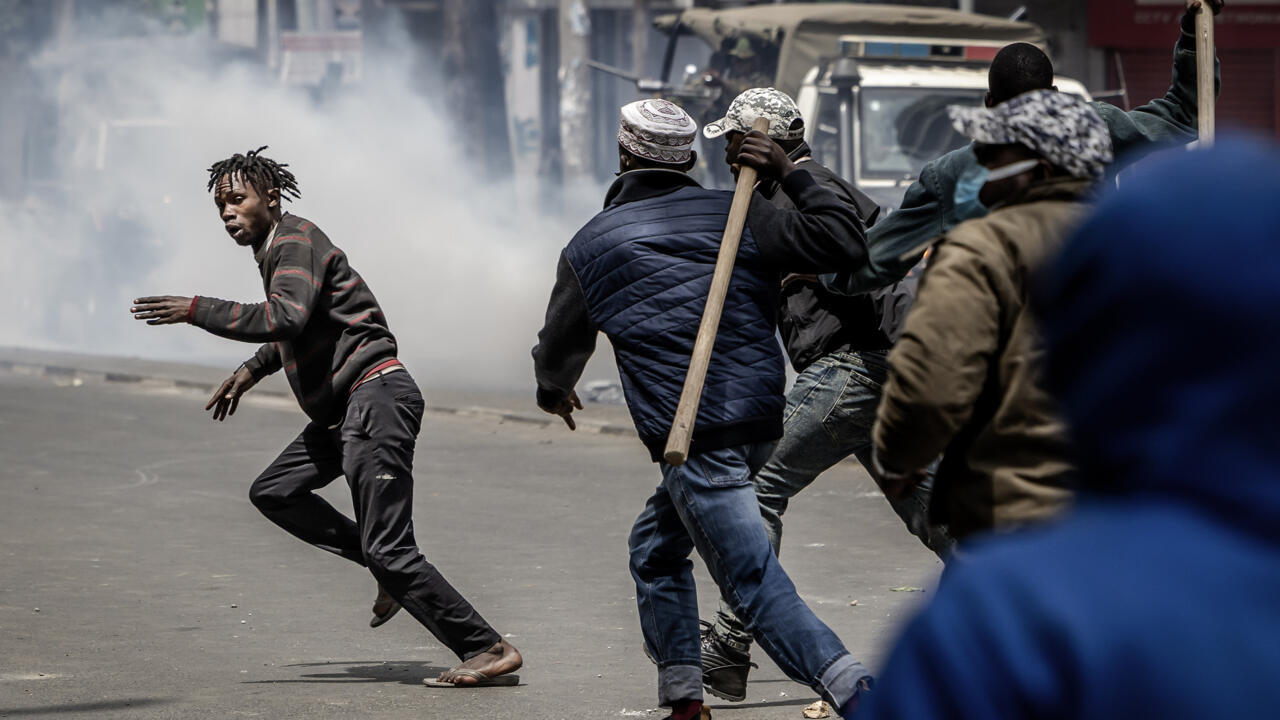
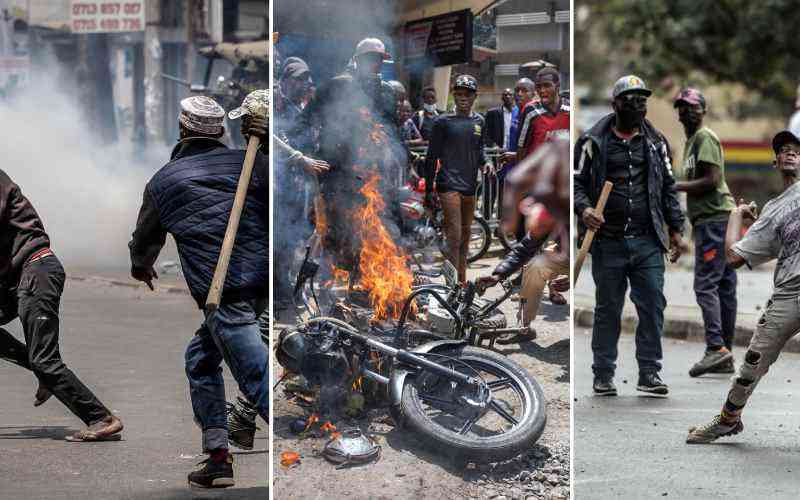
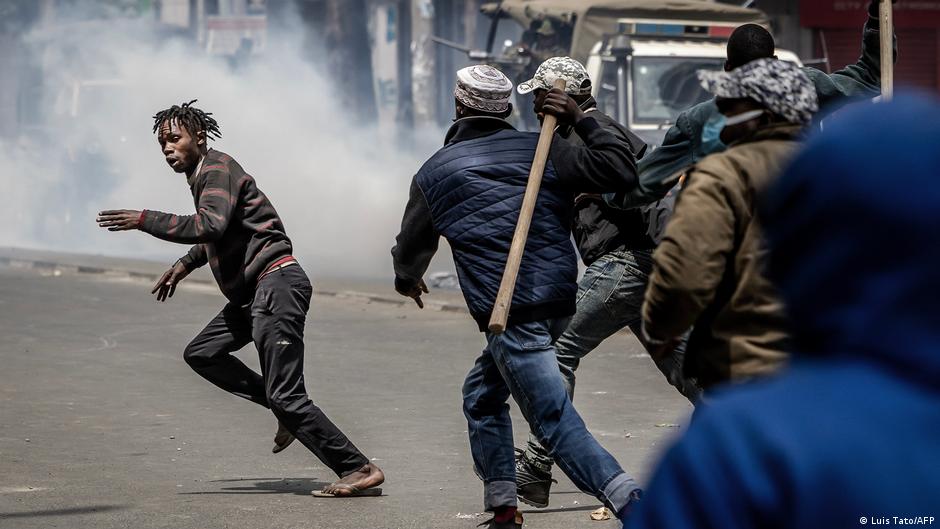
Increasingly, so-called "goons" are being hired, dozens or even hundreds at a time, to intimidate rivals or disrupt public events ahead of the elections, which are scheduled to take place on August 10, 2027. In a recent report, the French news agency Agence France-Presse (AFP) noted that police often turn a blind eye. Politicians and police insist they want to stamp out 'goonism' but analysts say it is deeply entrenched on all sidesImage: Luis Tato/AFP
In June, a civil society and church forum at Nairobi's All Saints Cathedral was disrupted during discussions on public finance management.