According to Naidu, less than 5 per cent of India’s air cargo currently moves through trans-shipment.
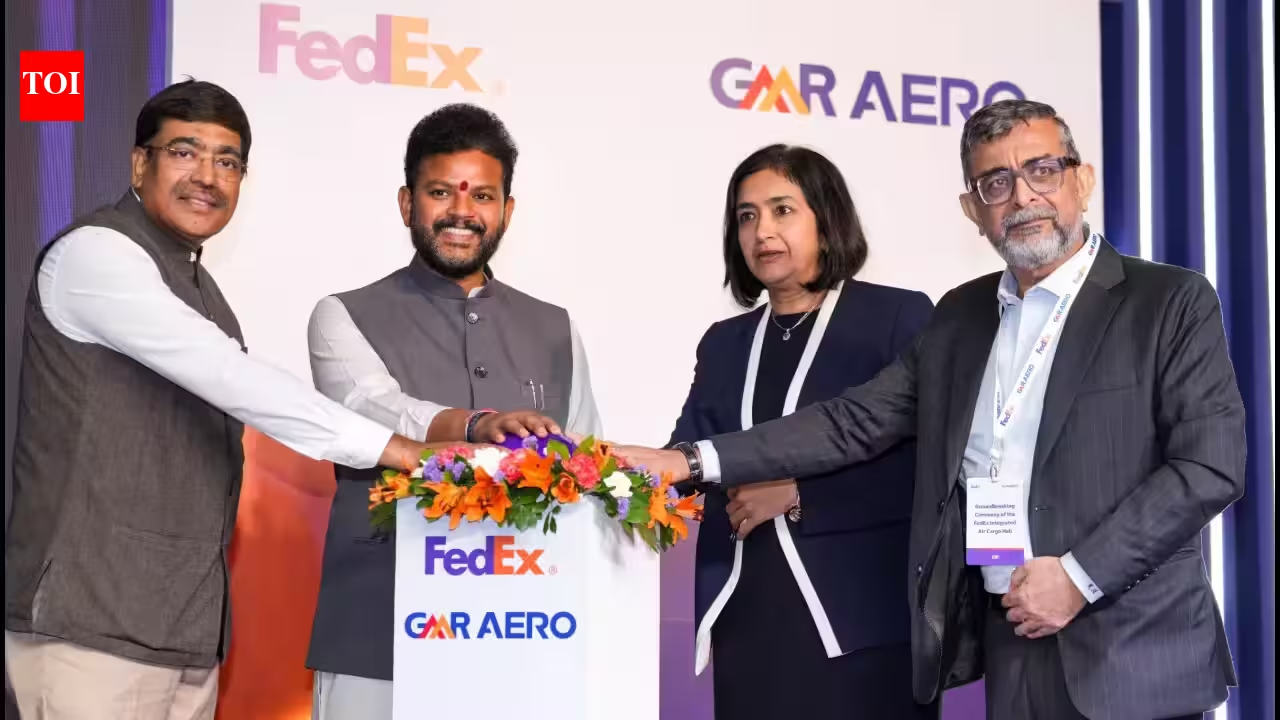
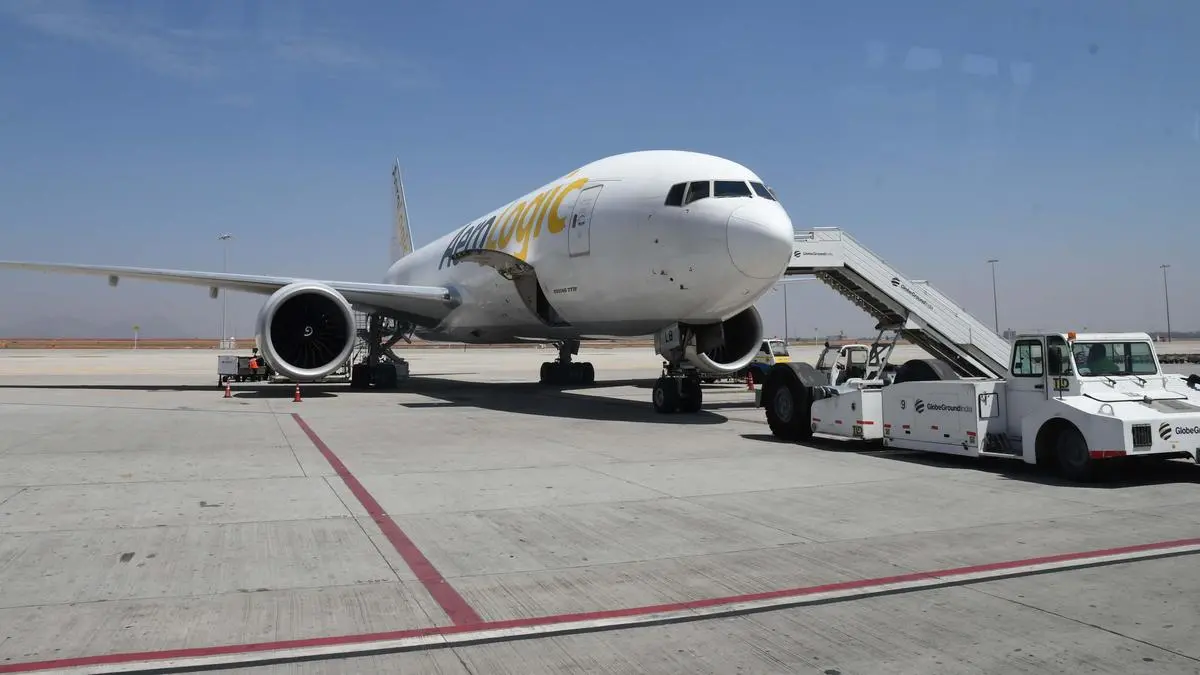
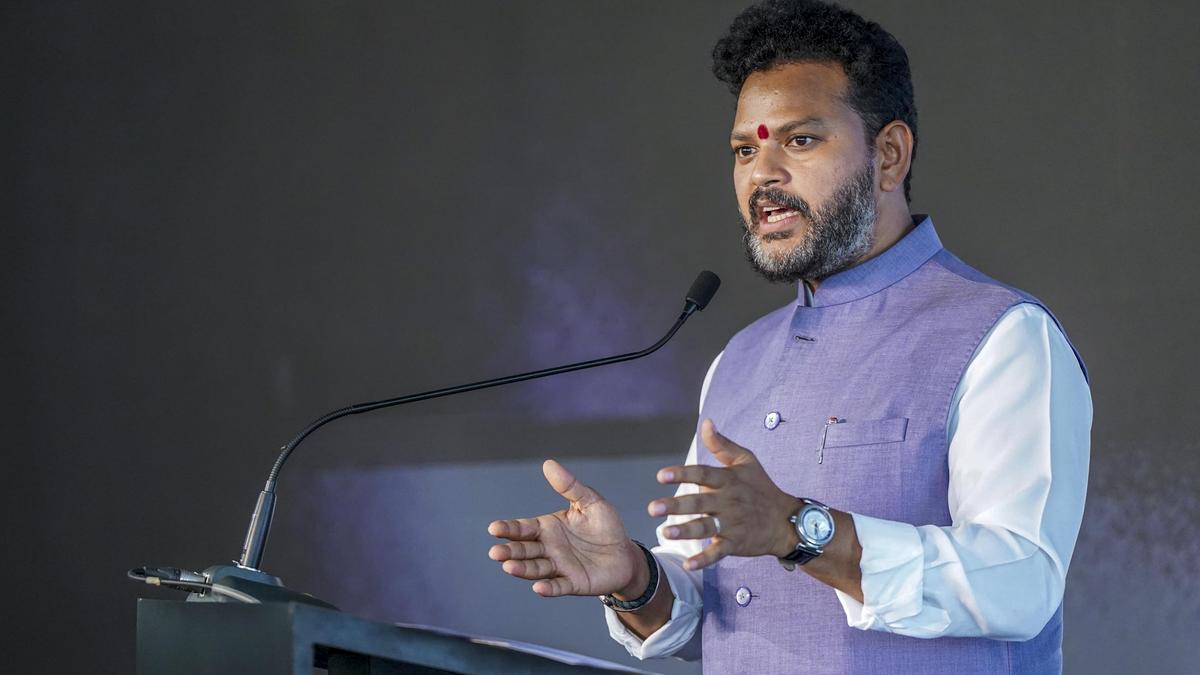
India is targeting an increase in air cargo handling to 10 million metric tonnes by 2030 from around 3.96 million tonnes currently, with the government focusing on increasing trans-shipment, reducing processing time and strengthening cargo infrastructure, Civil Aviation Minister Ram Mohan Naidu said.Naidu was speaking at the groundbreaking ceremony of a new integrated air cargo hub being developed by Federal Express Corporation (FedEx) at GMR Cargo City at Delhi’s Indira Gandhi International Airport.FedEx plans to invest around $150 million in the facility, which will span approximately 230,000 sq ft and increase processing capacity from 600 to 5,000 packages per hour once operational.According to Naidu, less than 5 per cent of India’s air cargo currently moves through trans-shipment, compared with 75 per cent in Hong Kong, 65 per cent in Singapore and nearly 60 per cent in Dubai.He cited that increasing India’s trans-shipment share to 20 per cent could unlock a potential revenue advantage of up to $5 billion.Lately, the Centre has revised the trans-shipment security framework to exempt re-screening on specified routes after mandatory re-screening was identified as a bottleneck affecting turnaround time, handling costs and congestion at airports.A proof of concept involving the Chennai-Delhi-Frankfurt route reduced average end-to-end transit time from nearly 60 hours to 17 hours, Naidu said.The initiative has subsequently been expanded to Copenhagen and London Heathrow, with five additional domestic destinations added to the proof of concept.Meanwhile, the Ministry is working on an Air Freight Stations policy aimed at enabling end-to-end cargo processing at off-airport facilities and decongesting airport cargo terminals.Besides, Naidu said the government’s vision was to transform air cargo from a bottleneck into the “backbone of the Indian economy”.Furthermore, the Minister said the Bureau of Civil Aviation Security (BCAS) was working on transitioning from conventional 2D X-ray screening to computed tomography explosive detection systems.The new systems are expected to increase screening throughput from around 600 packages per hour to more than 2,500 packages per hour, he said.In addition, Naidu said India’s priorities for air cargo were clear — increase volumes, reduce time and reduce costs.Additionally, he highlighted India’s geographic advantage, saying nearly 60 per cent of the world’s population can be reached within four to six hours of flying time.Published on August 25, 2026