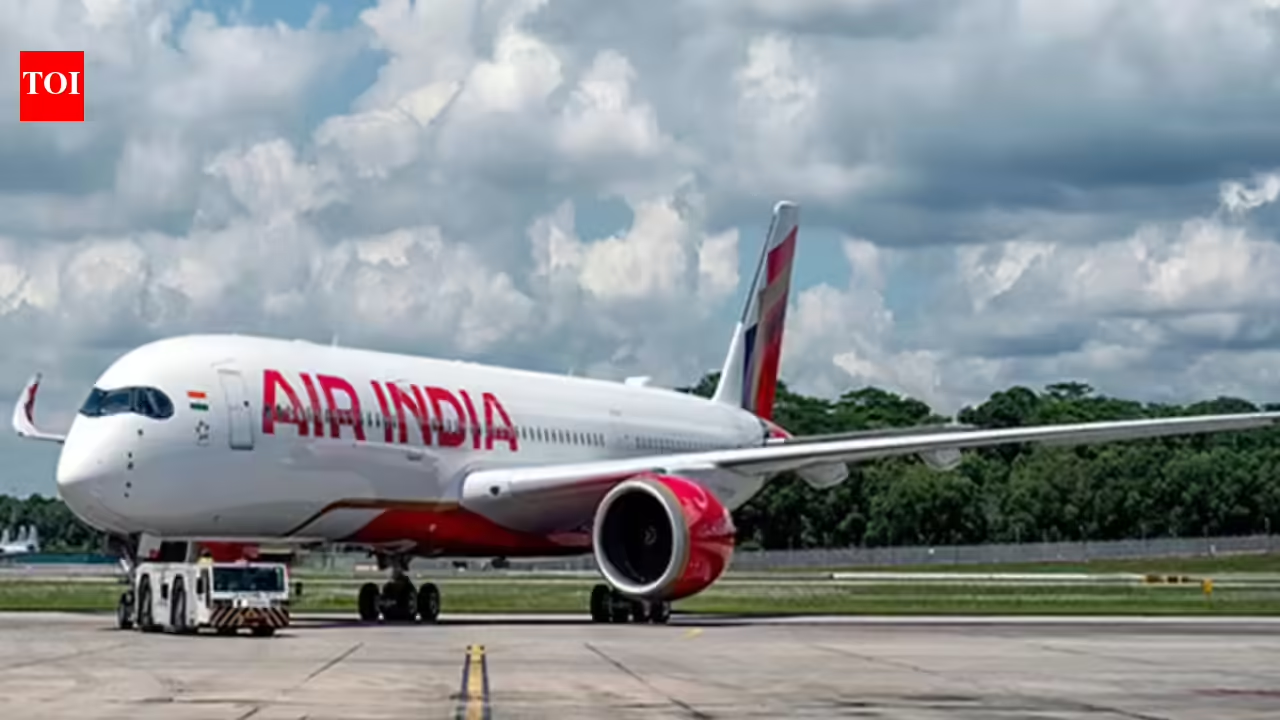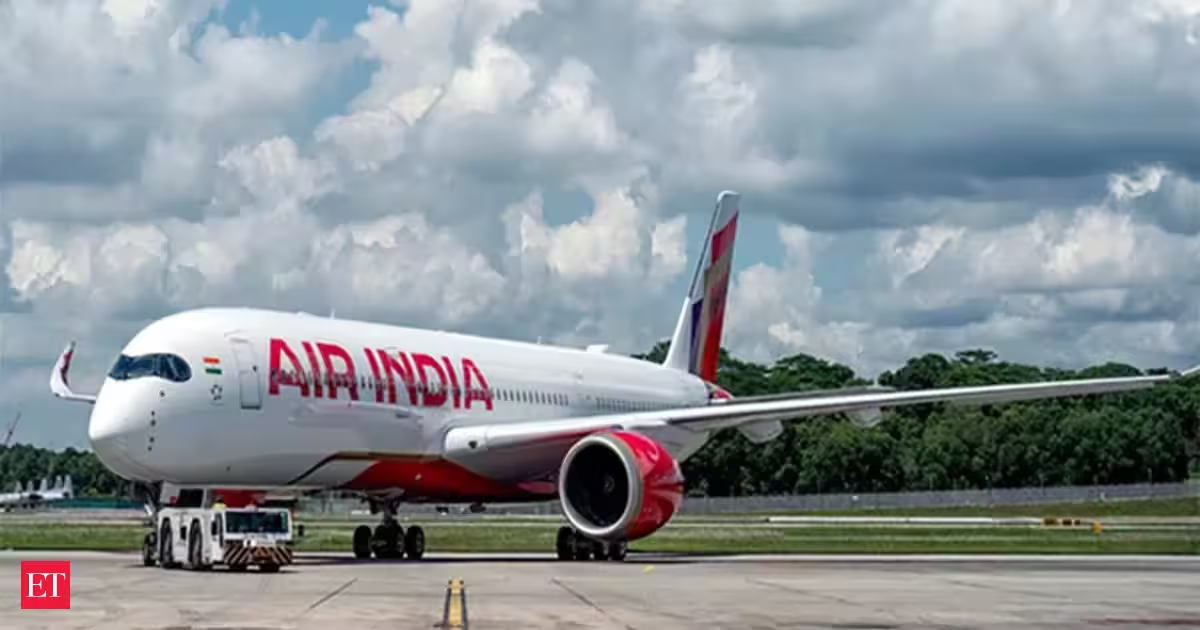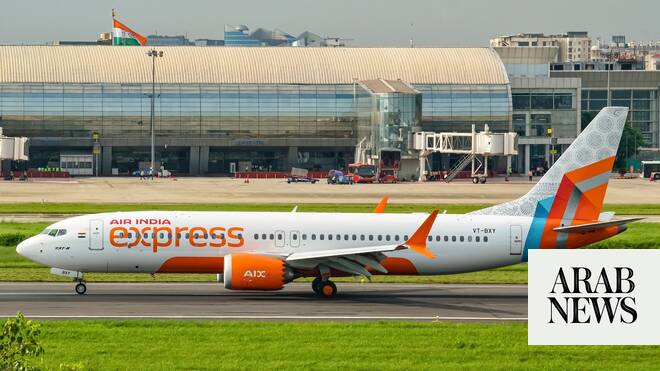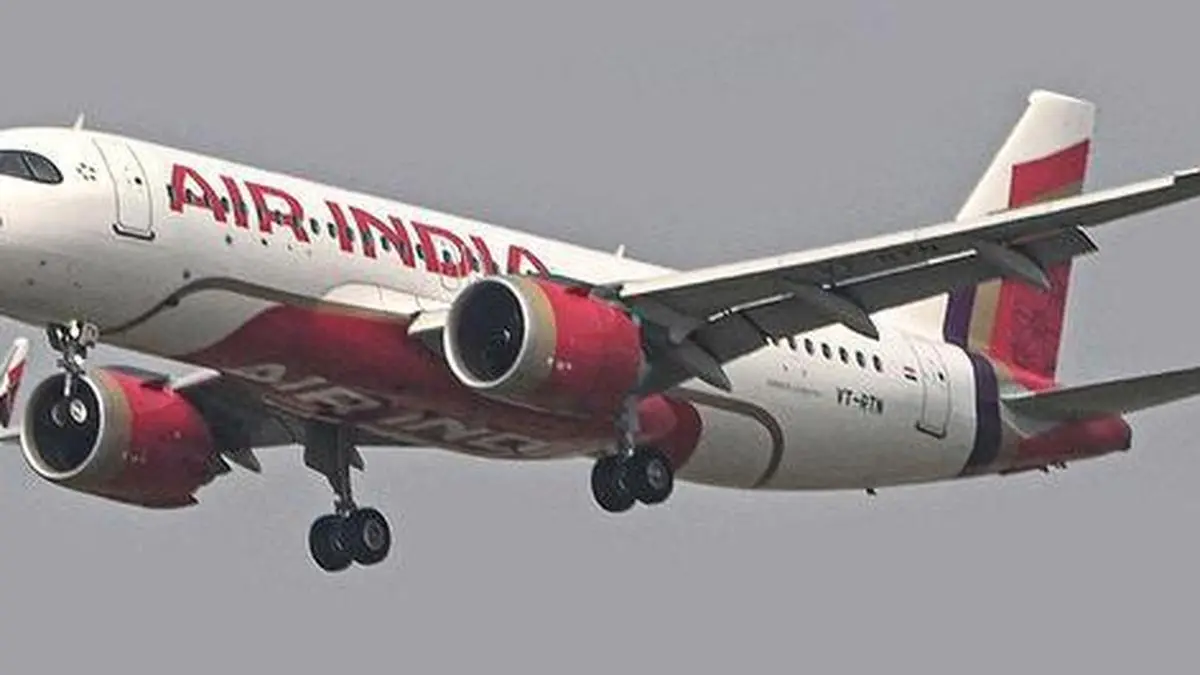
A source said trials for cargo transshipment have started with Air India carrying cargo from South India to Europe via Delhi
| Photo Credit:
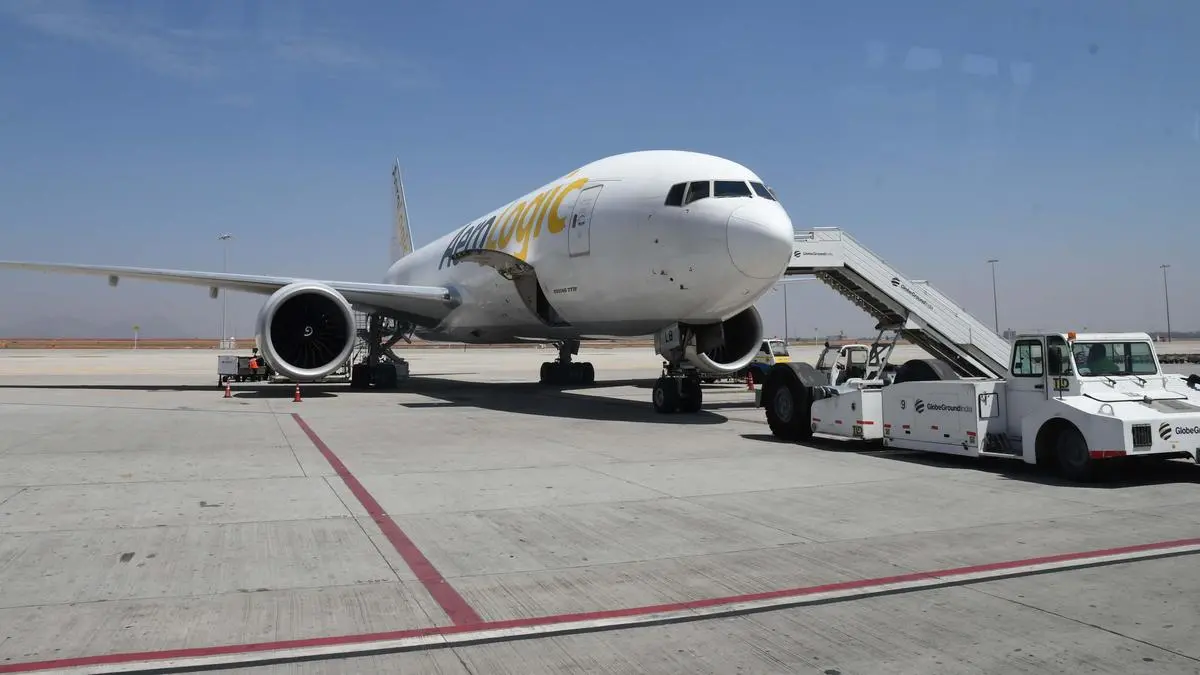
Air India and Delhi airport are trialling cargo transshipment under a new rule that waives the requirement of re-screening during transit.The new rule, once implemented, will help Indian airlines increase loads and tap into new markets. It is also a policy enabler for Indian airports, which compete with regional hubs for traffic.Currently, all goods that are transshipped via Indian airports need to be x-rayed (security screened) during transit. This rule applies to domestic cargo as well if there is a change in aircraft. This adds to costs and ground time, making Indian airlines and airports less competitive in comparison to regional players.Last July, the Bureau of Civil Aviation Security (BCAS) modified the rule to enable transshipment of goods without re-screening at transit point, subject to certain conditions.A source said trials for cargo transshipment have started with Air India carrying cargo from South India to Europe via Delhi. Air India and Delhi International Airport Ltd didn’t respond to a query.The BCAS rule requires the creation of transfer cargo security hold area at airports where transfer cargo and mail shall be stored and protected from unauthorised interference through security control measures.Cargo transshipmentDelhi airport has a dedicated area on the airside to process transshipment cargo. Established in 2019, the facility will need to be vetted by BCAS and certified as a regulated agent to ensure secure handling of cargo.“It is a step in the right direction and will encourage freighter operations in the country,” said Vijay Kumar, CEO, Express Industry Council of India.“Like all major hubs, we must enable tail to tail transfers ( transfer of cargo from one aircraft to another) for all flights on the ramp. High speed cargo screening machines must be introduced at airports for expedited clearances,” he said.Air cargo traffic handled at Indian airports increased by 6.2 per cent on a year-on-year basis to 3.96 million tonnes in FY 2026. Delhi continues to be the largest cargo hub, while Chennai emerged as the fastest growing airport, recording 11.7 per cent growth in volumes.Transfer or transit cargo accounts for less than 10 per cent of India’s overall air cargo volume and the policy relaxation is expected to help industry as India aspires to handle 10 million tonnes of air cargo by 2030.“India is aiming for a substantial increase in cross border e-commerce exports and high speed cargo clearance would be a major factor for this,” Kumar said.Published on June 28, 2026