EXTRA LOAD. Indian airports handled 10.8 lakh tonnes of freight in the April-June quarter, up 12% year-on-year
| Photo Credit:
Navi Mumbai Airport
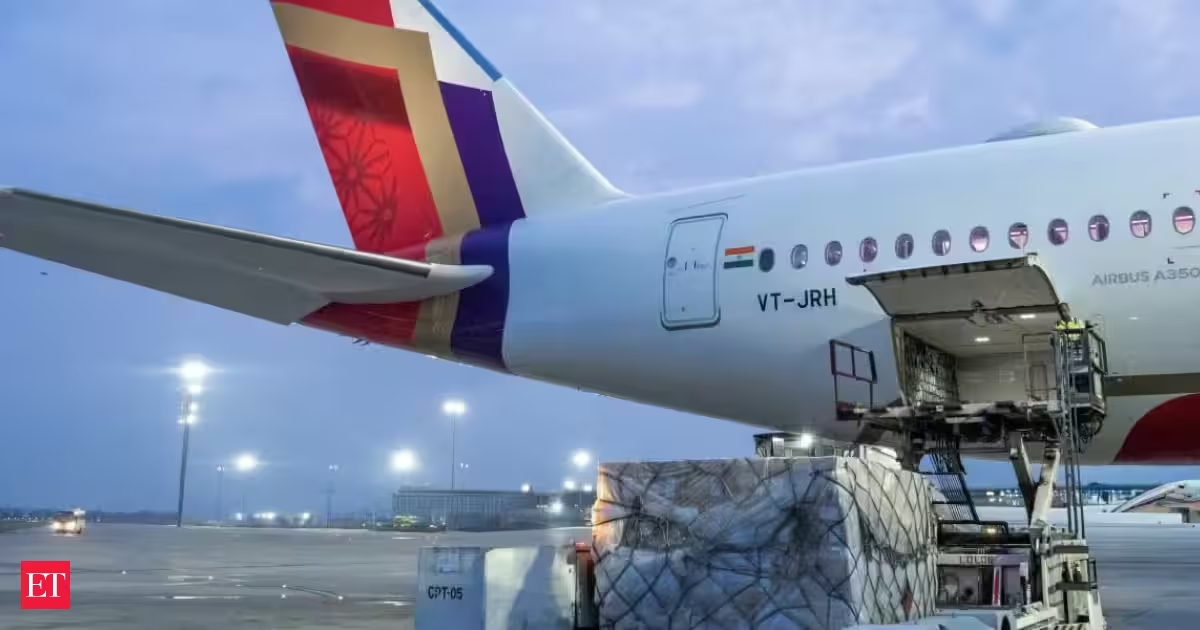
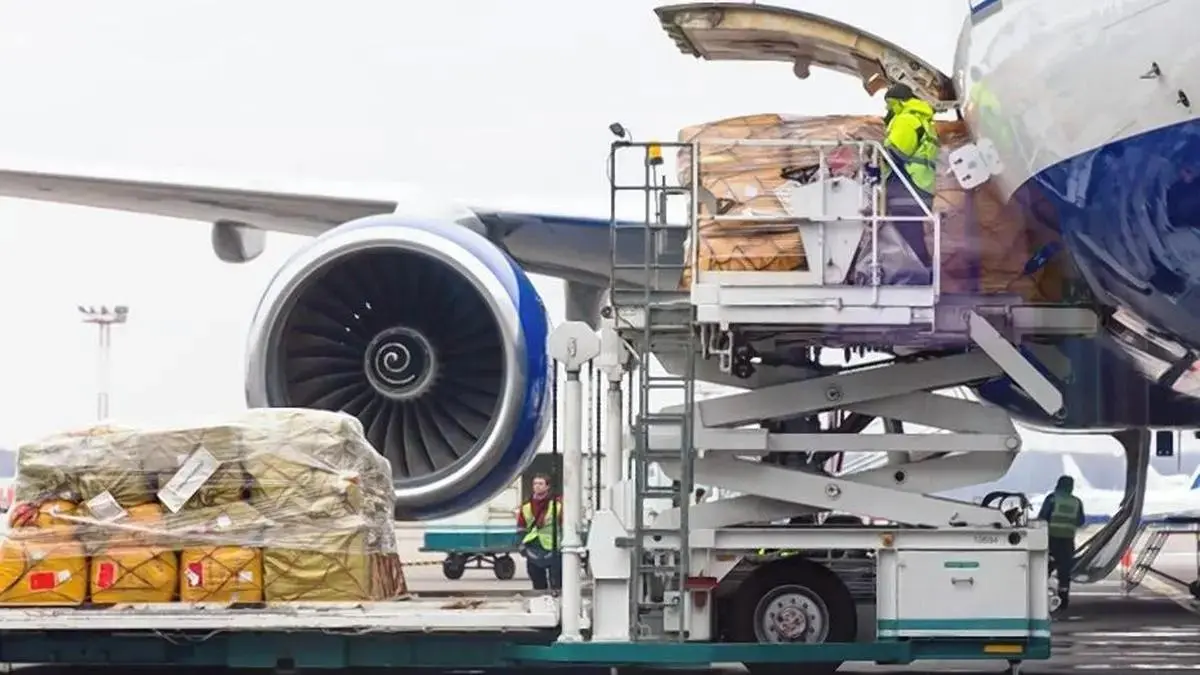
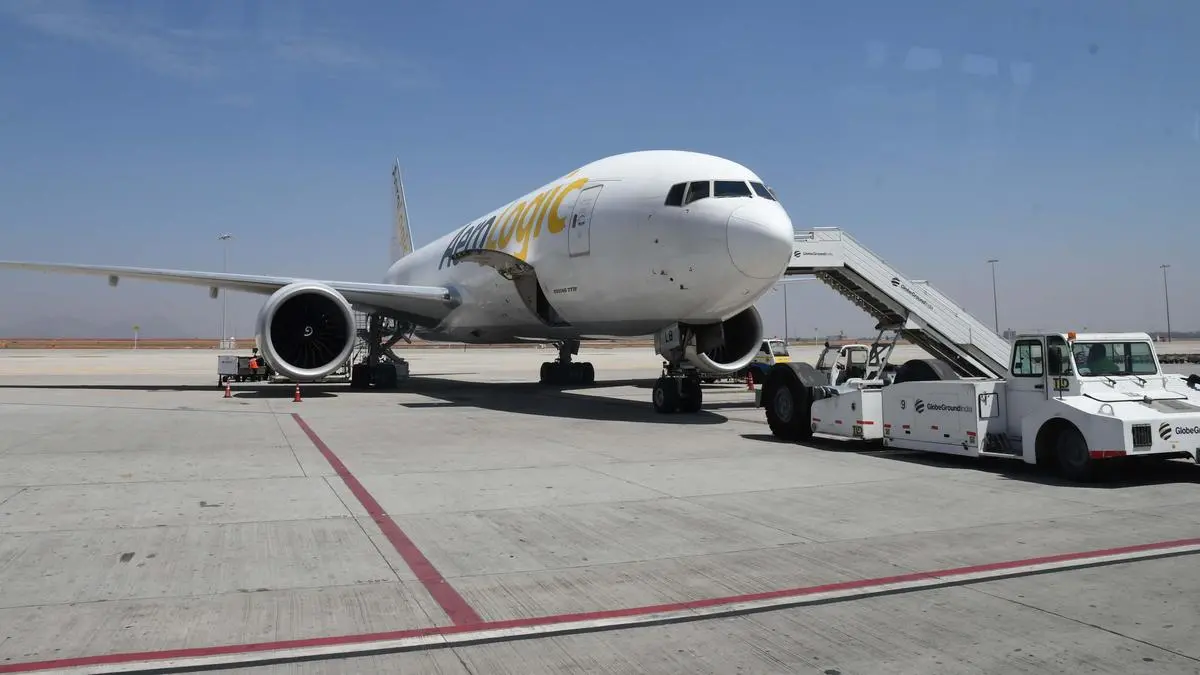
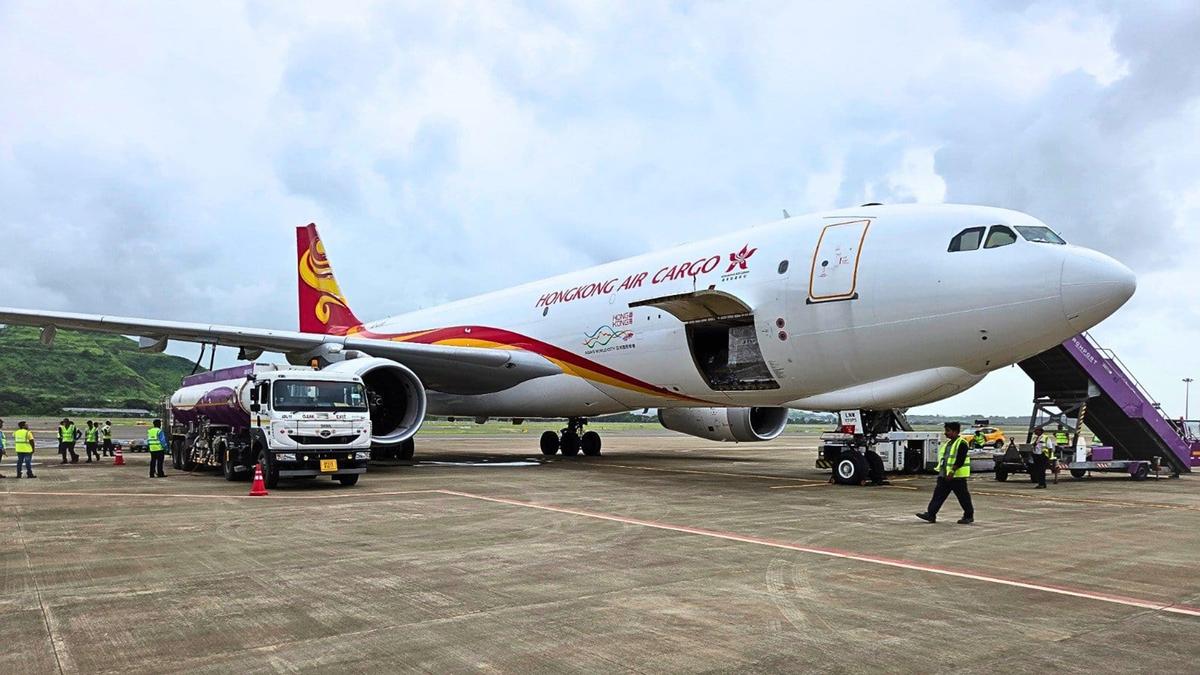
Freighter operators are deploying more capacity to India to tap the demand from the e-commerce, engineering and electronics segments.This comes against the backdrop of a growth in exports and the ongoing West Asia crisis leading to congestion at regional ports and an increase in both air and ocean freight rates.In the past two months, Egypt Air, Hong Kong Air Cargo and Qatar Airways have added more cargo flights to India from Cairo, Doha, Hong Kong and Kuala Lumpur. Foreign carriers also operated additional cargo flights on an ad hoc basis to meet the business demand.Indian airports handled 10.8 lakh tonnes of freight (domestic plus international) in the April-June quarter, registering a growth of 12 per cent on a year-on-year basis. International cargo grew 14 per cent, with airports handling 6.78 lakh tonnes during the same period.“Air cargo is becoming a critical enabler of India’s export ambitions — connecting production hubs to global demand with speed, reliability, visibility and resilience. From January to June, Cathay Cargo recorded over 18 per cent revenue growth ex-India,” said Rajesh Menon, Regional Head for South Asia, West Asia and Africa.He said the airline is seeing a strong momentum across high-value and time-sensitive commodities, including pharmaceuticals, automotive components, semiconductors, electric vehicle components and aerospace parts.Over the past few years, cross-border e-commerce has also emerged as a growth driver for airlines and express service providers such as FedEx and DHL. While express companies operate their own freighter fleets, they also contribute cargo to other airlines. “E-commerce constitutes 70 per cent of international shipments for the express industry. This has received a further boost with India signing multiple free-trade agreements,” said Vijay Kumar, CEO of Express Industry Council of India.Blue Dart Express is preparing to roll out its maiden international e-commerce delivery product in the coming weeks to tap the fast-growing business segment. Blue Dart did not respond to a query on the topic.Semiconductors drive boomAnother segment powering the growth of cargo airlines is equipment related to artificial intelligence and data centres. For instance, Korean Air reported 46 per cent growth in cargo revenue in the June-end quarter, led by AI chips and server racks, among other items. A NITI Aayog report in May said India’s semiconductor market is projected to reach $200 billion by 2035, underpinned by strong domestic demand across the electronics, automotive, energy and other sectors. While over 90 per cent of the demand is currently met by imports, three local companies — Micron Technology, Kaynes Technology and CG Power and Industrial Solutions — have opened semiconductor assembly and test facilities. Local production is supporting air cargo flows.“We are seeing a growing demand for high-value and time-sensitive cargo, including electronics and technology-related products. As India strengthens its position as a manufacturing hub, this segment will continue to gain importance,” said Stephanie Poehn-Helbig, Head of Region — Middle East, Africa and South Asia and CIS, Lufthansa Cargo. India is a strategic market for Lufthansa Cargo and, in response to strong demand, the airline has deployed additional freighter capacity to India on a flexible basis during the June-end quarter, she added.“We are seeing encouraging momentum for AI-related semiconductor and data centre equipment that are being exported mainly out of Mumbai to Hong Kong,” Menon added.Iran-US war impactThe Iran-US tensions helped Asia-Pacific carriers grow revenue from cargo traffic to Europe. The gains came due to airspace restrictions in West Asia, creating more opportunities for airlines in other parts of the continent.“Cargo capacity through key Middle East hubs was constrained due to the conflict. Leveraging the group’s cargo capabilities and agility, Singapore Airlines captured more high-value, time-sensitive shipments across key verticals — perishables, live animals and healthcare — with tonnage up 26 per cent in March,” the airline said.Air India and IndiGo benefited too. While passenger traffic was impacted due to the war, airlines had more opportunity to carry cargo, and the higher freight rates resulted in revenue gains.An IndiGo spokesperson said that in the backdrop of the West Asia crisis, India has emerged as an ideal multimodal gateway, absorbing diverted volumes and enabling uninterrupted flow of global trade.IndiGo is investing in technology-enabled and globally compliant cold chain solutions to enable transport of high-value pharmaceuticals and perishables, he added.“We have seen stronger demand for cargo on our Europe-bound services, particularly from customers looking for direct connectivity, predictable transit times and fewer handling points. This has been visible across general cargo, as well as specialised and time-sensitive shipments, including pharmaceuticals and valuables. The market environment has also supported stronger yields on the India-Europe corridor,” said Air India’s cargo head Ramesh Mamidala.Air India’s cargo volumes are set to increase further with the expansion of the transshipment programme. Trials began in June with Air India carrying goods from Chennai to Frankfurt via Delhi. Goods in transit no longer have to be re-screened.Six more destinations have been added for transshipment, including Copenhagen and London. According to the Civil Aviation Ministry, the expanded network is projected to increase Air India’s monthly carriage on these lanes from 1,763 tonnes to 3,183 tonnes — an increase of nearly 80 per cent.Published on August 24, 2026