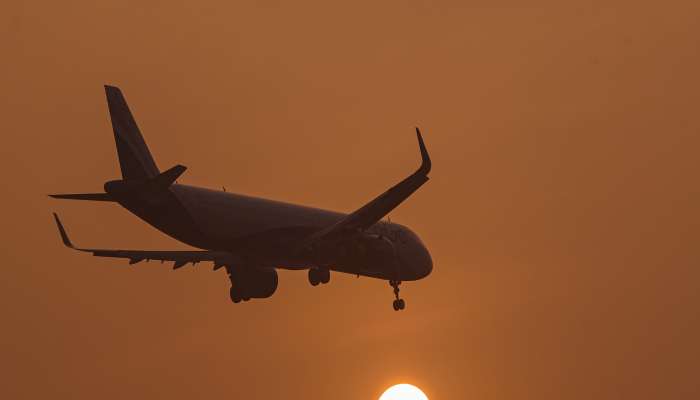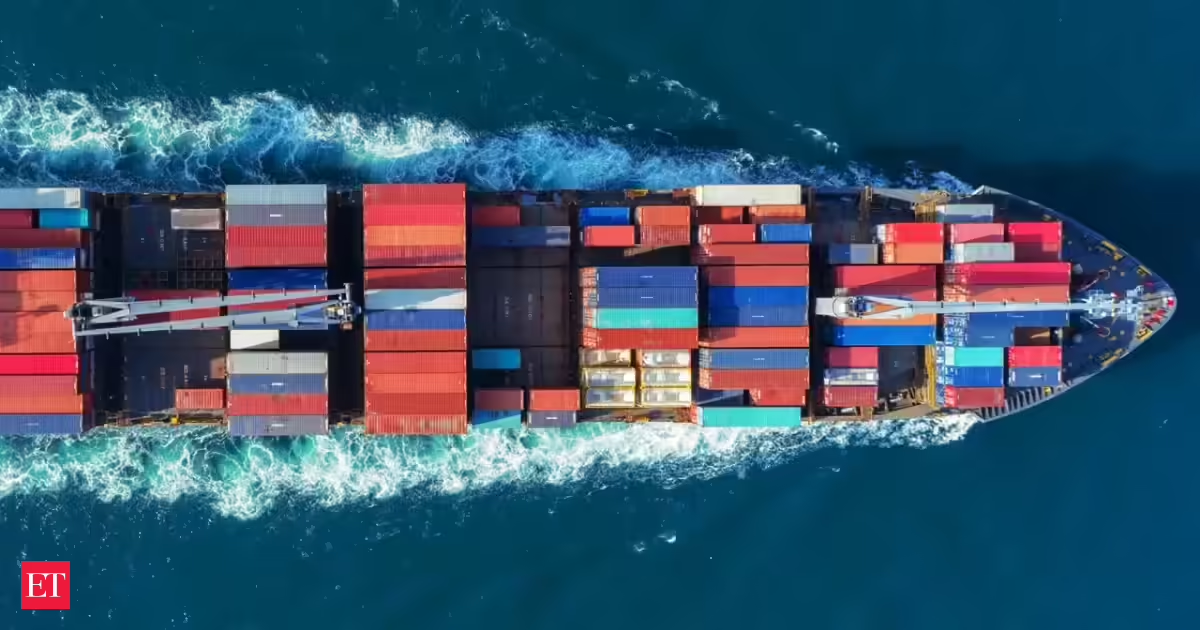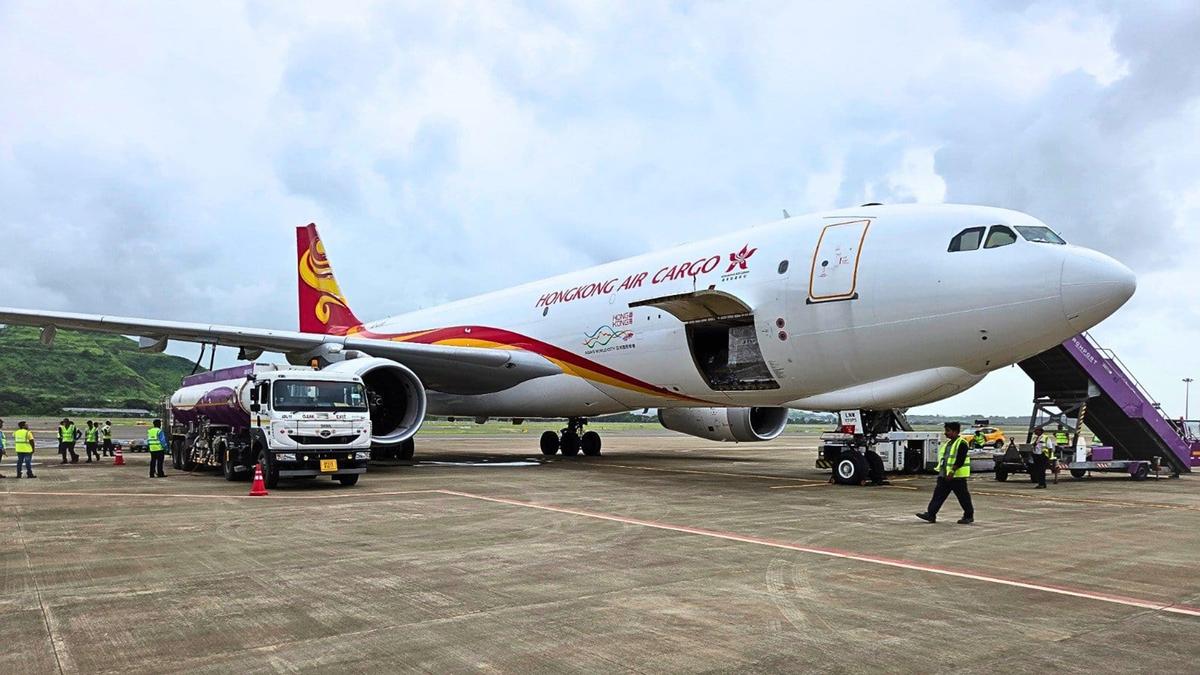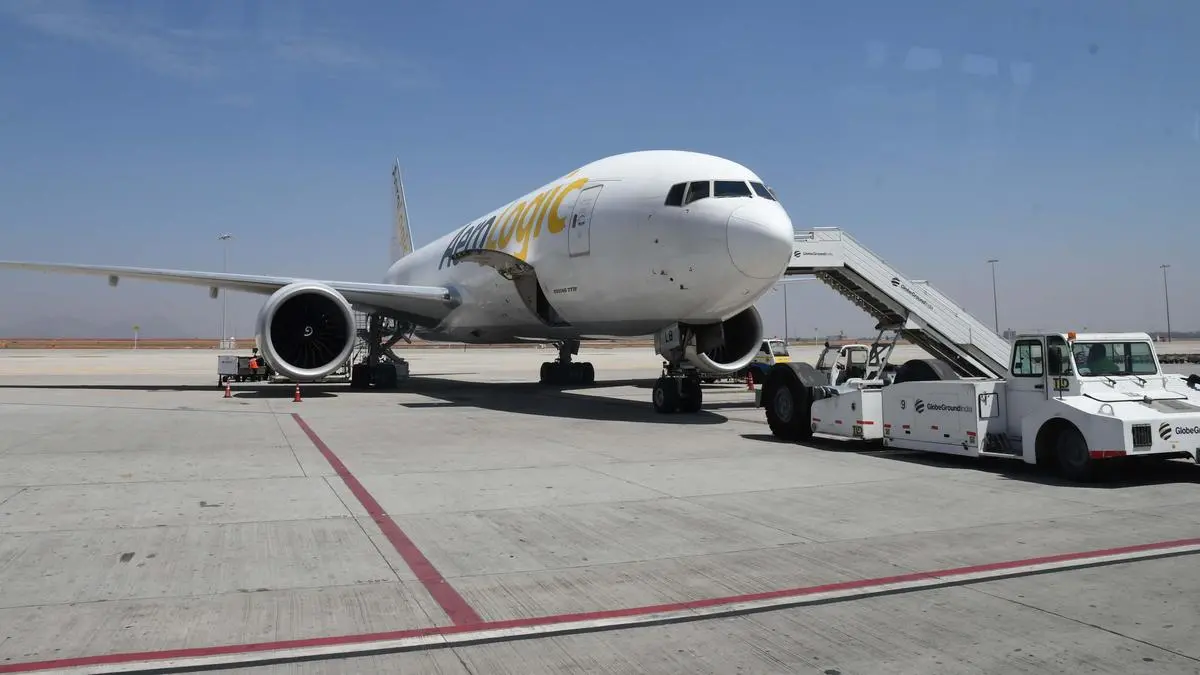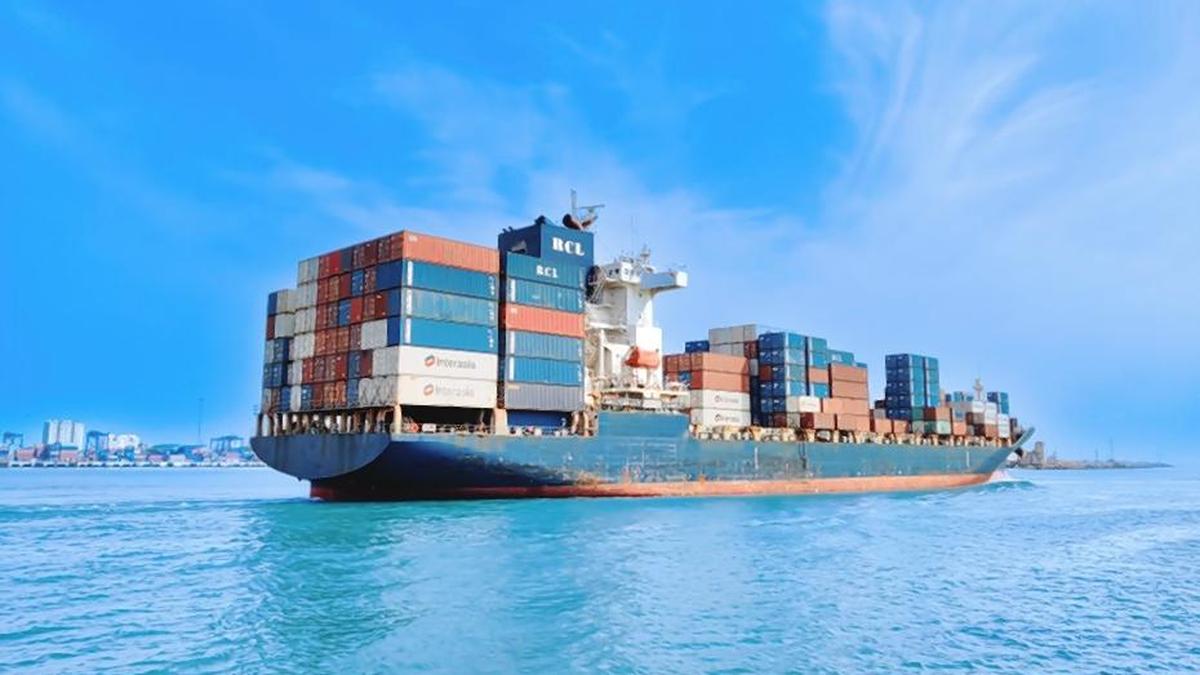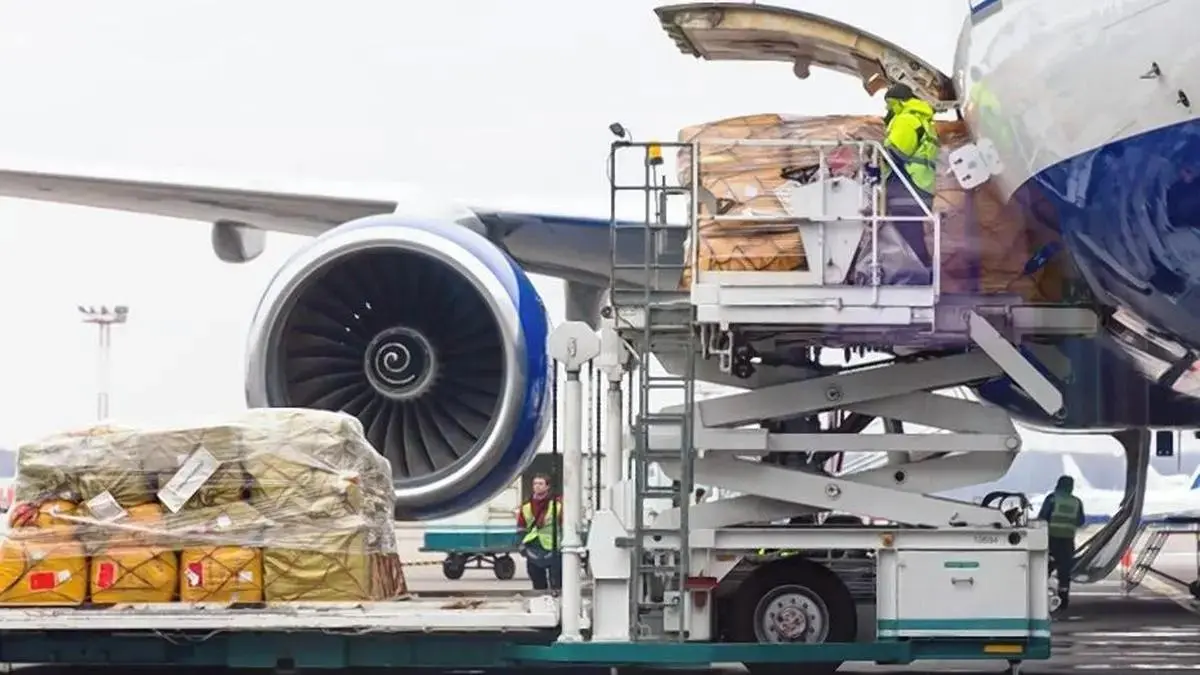
The volume of air freight handled by Indian airports remained resilient in April despite the West Asia crisis. The air cargo handled by air route grew both month-on-month and year-on-year in April 2026.According to Airports Authority of India (AAI) data, total freight handled at Indian airports increased from 3.15 lakh tonnes in April 2025 to 3.48 lakh tonnes in April 2026, a 10 per cent growth year-on-year (y-o-y). This was driven by a 40 per cent jump in international cargo volumes during the period. Similarly, the cargo handled in April was also marginally higher than the 3.43 lakh tonnes recorded in March 2026, the month when the war began.Crisis bufferThe growth comes at a time when airlines were forced to reroute flights to avoid conflict zones in West Asia, resulting in longer flight times, higher fuel consumption, and increased operating costs. However, air cargo has remained relatively insulated from the impact of the crisis compared with maritime logistics.Jagannarayan Padmanabhan, Senior Director & Global Head- Consulting, Crisil Intelligence, said part of the growth in international air cargo is likely attributable to the rerouting of trade flows away from disrupted maritime corridors. Sectors such as pharmaceuticals, electronics, engineering goods, perishables, automotive components and e-commerce, where delivery reliability is critical, appear to have increasingly relied on air freight.Air transport is typically 5-7 times more expensive than sea freight. Therefore, once maritime routes normalise, some of this cargo is expected to shift back to ocean transport, leading to a moderation in air cargo growth rates, Padmanabhan said.Growth enginesInternational cargo accounted for nearly 64 per cent of total freight handled in April, with sectors such as electronics, pharmaceuticals, engineering goods, perishables and e-commerce being key contributors to cargo growth, with many of these products relying on air transport for faster and more reliable delivery.CK Govil, CMD of Delhi-based Activair Airfreight India, attributed the increase in air cargo volumes to a combination of strong export demand, expanding cross-border e-commerce and improved airline connectivity. Some exporters and importers advanced shipments amid geopolitical uncertainties, while others shifted high-value and time-sensitive cargo to air transport to avoid disruptions and delays in maritime trade, he said.Chennai fastest growingChennai emerged as the fastest-growing airport during the January-April 2026 period, with volumes increasing from 32,896 tonnes in January to 38,295 tonnes in April, registering a growth of 16.4 per cent, the highest among the top five airports. Bengaluru recorded 8.5 per cent growth in the period, Hyderabad 8.4 per cent, Mumbai 8.3 per cent and Delhi 6.9 per cent during the same period.J. Krishnan of Chennai-based S Natesa Iyer Logistics LLP said supply-chain disruptions and changing sourcing patterns have prompted a modal shift in India’s export landscape. The Production-Linked Incentive (PLI) schemes, particularly in electronics and telecom manufacturing, have resulted in tighter production cycles and increased use of air freight for both inbound components and outbound finished products.Published on June 2, 2026
India’s air cargo grows despite West Asia disruptions; Chennai leads growth among major airports
India's air cargo sees 10% growth in April 2026, with Chennai leading despite West Asia disruptions, driven by strong export demand.
480 words~2 min read