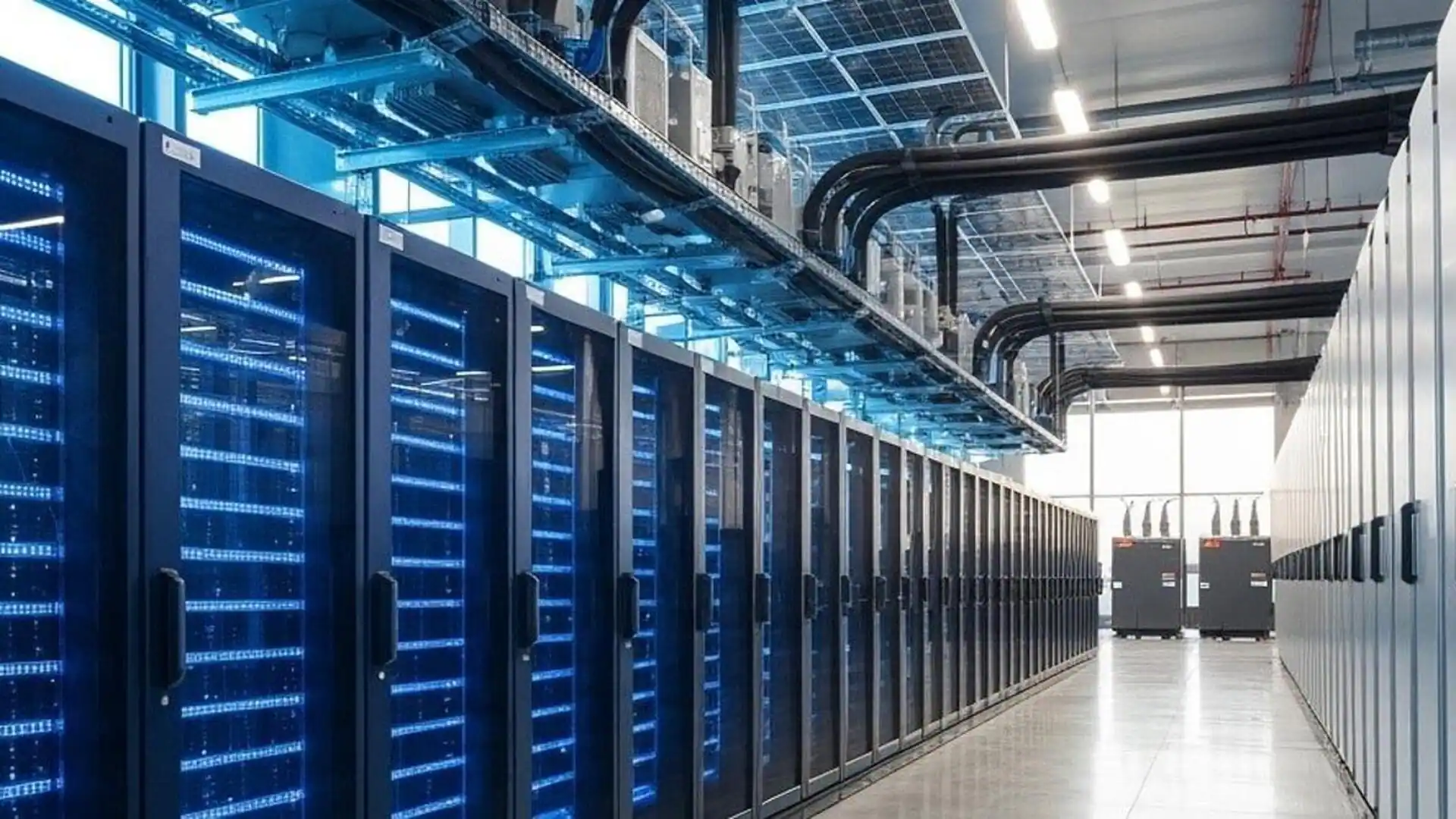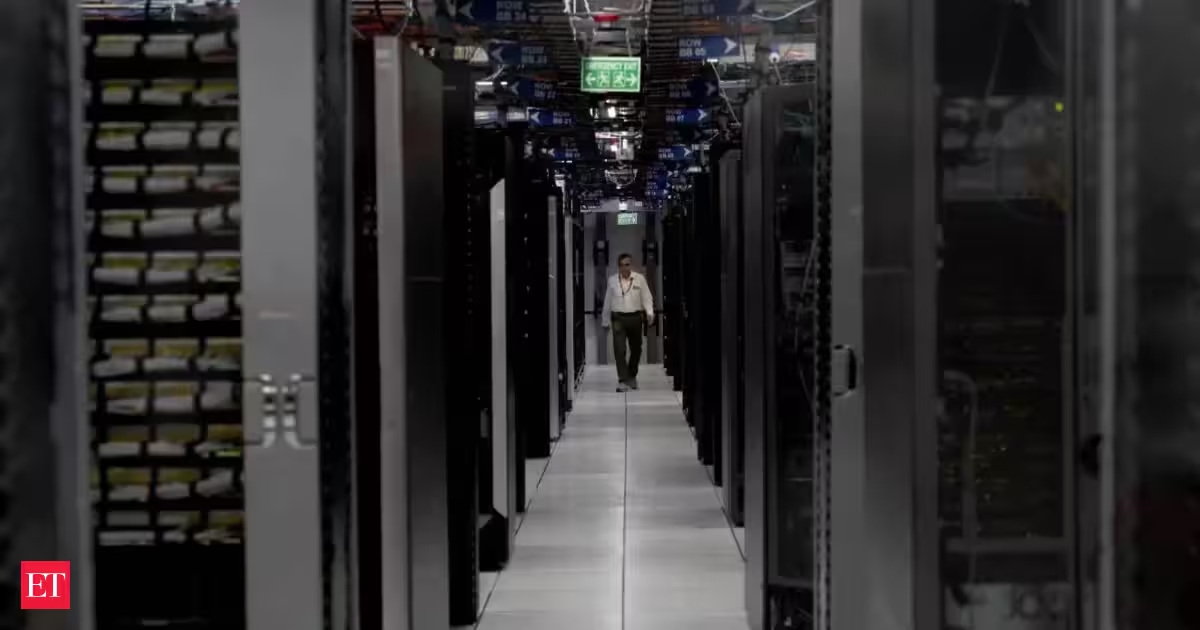
The expansion is being backed by more than $300 billion in investment commitments, underlining the scale of capital flowing into infrastructure supporting India’s digital economy.
| Photo Credit:
istock.com
India’s data centre boom is fast turning into a real estate and infrastructure story, with the country’s data centre footprint projected to nearly quadruple to over 101 million sq ft by 2030, as surging digital consumption drives demand for land, power, cooling and connectivity.From just 0.6 million sq ft in 2007, India’s data centre footprint had expanded to nearly 27 million sq ft by the first half of 2026, according to a report by ANAROCK Capital. The report estimates that the sector’s development pipeline could take the footprint past 101 million sq ft by the end of the decade.The expansion is being backed by more than $300 billion in investment commitments, underlining the scale of capital flowing into infrastructure supporting India’s digital economy.“The projected 101 million sq ft data centre footprint highlights the sheer physical scale of the real estate opportunity,” said Shobhit Agarwal, CEO, ANAROCK Capital. “Unlike conventional office or industrial developments, data centres are highly infrastructure-intensive assets, requiring large land parcels, substantial power capacity, advanced cooling systems, robust connectivity and high levels of operational resilience.”The growth in physical space is being accompanied by an even sharper expansion in computing capacity. India’s data centre capacity, which was below 1 GW a few years ago, crossed 1.8 GW in H1 2026 and is expected to exceed 6.7 GW by 2030, according to the report.’That would mean data centre capacity more than tripling over the next four years, driven by rising cloud adoption, artificial intelligence workloads, digital services and growing data consumption.The build-out is also changing the nature of demand around data centres. Operators are increasingly competing not just for customers, but for access to land, reliable power, renewable energy, fibre connectivity and specialised engineering and cooling infrastructure.“This projected footprint doesn’t represent just additional built-up space requirements – this is a specialised asset class at the intersection of real estate, technology and infrastructure,” Agarwal said. “As operators expand their portfolios, demand for strategically located land, power infrastructure, renewable energy, engineering and construction services, fibre connectivity and specialised cooling solutions will rise in tandem.”