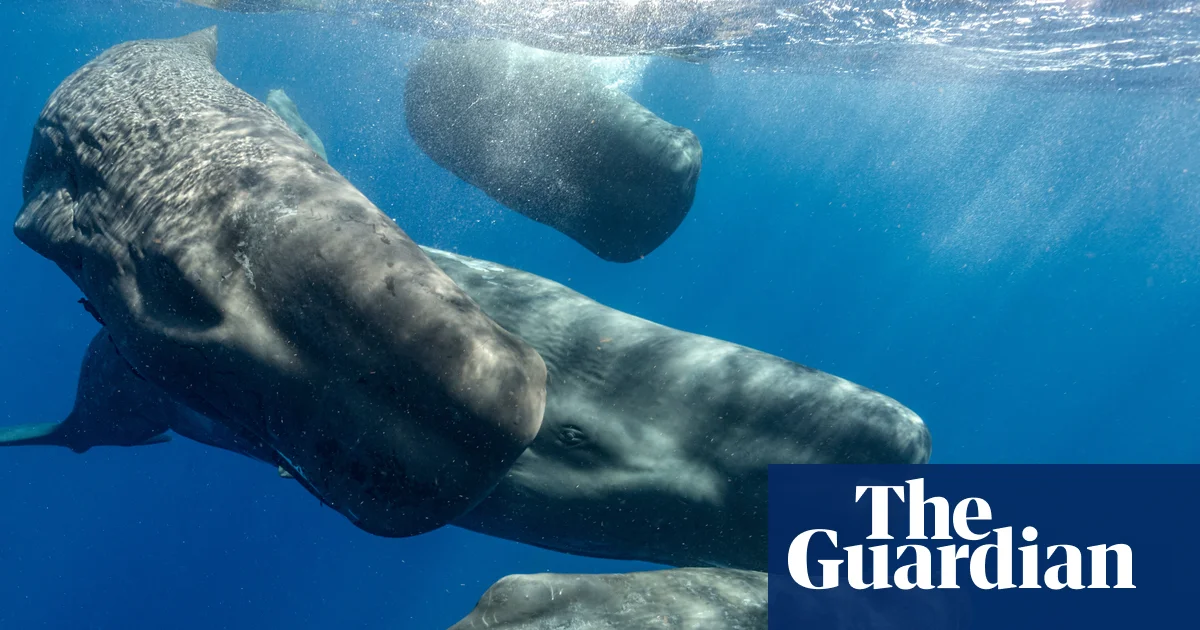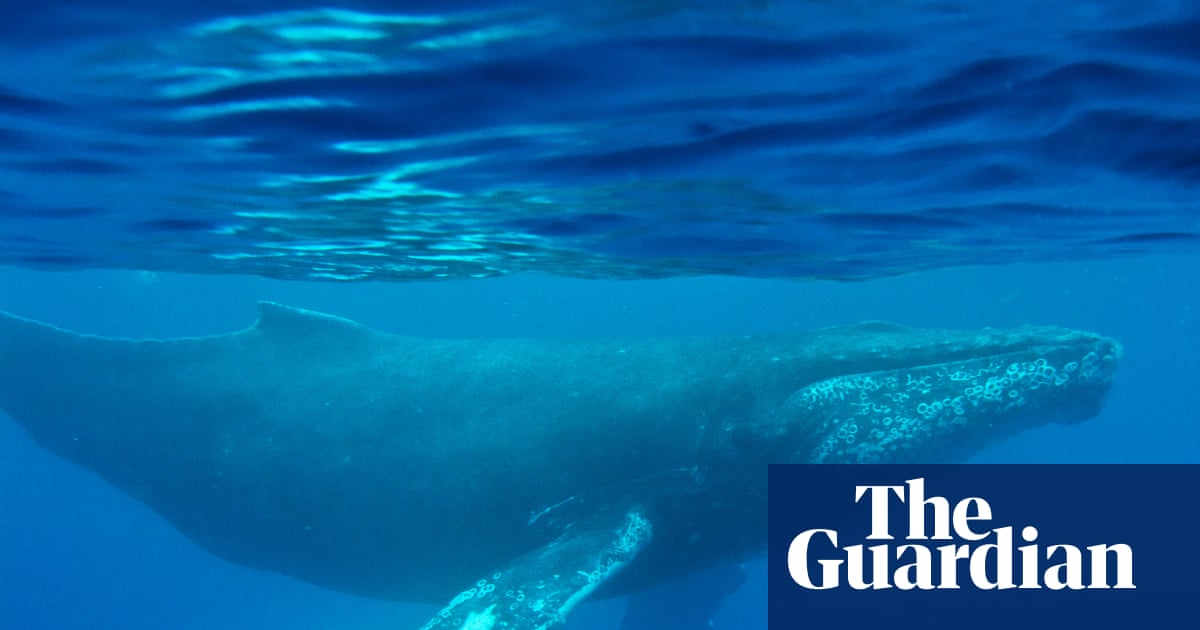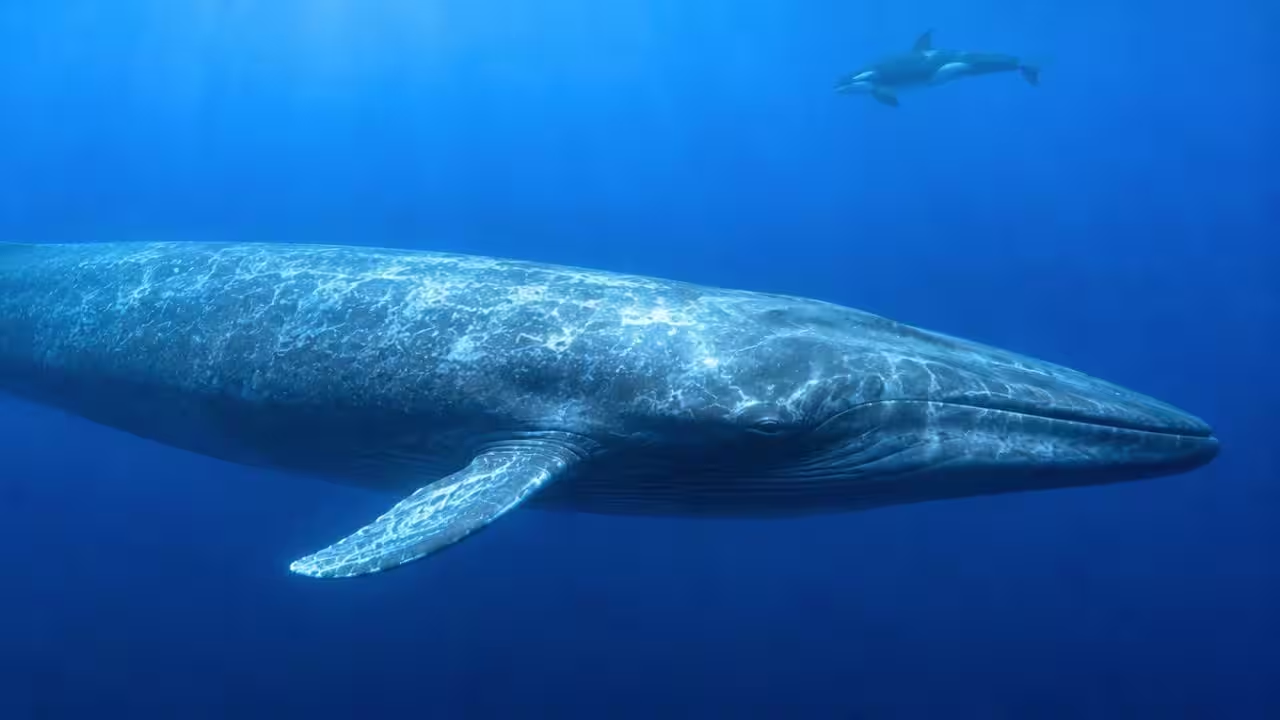
I had a recurring nightmare as a child: floating alone in an open sea, the water quaking beneath me until a whale, roaring and howling, rose up and swallowed me whole.
In real life, I first heard a whale song on solid ground, in an even scarier place: the intensive care unit.
During my third year of medical school, my back pressed against the nursing station wall, I seemed to wilt as Jake’s mother’s wails filled the room. Guttural and uncontained, they undulated around the ICU, forming a kind of bass line; her gasps for air added staccato; her words, slurred beyond recognition, formed a double chord. Hours earlier, Jake (not his real name) had been playing soccer with his young daughter. Now, after an unexpected heart attack, he lay in a coma.
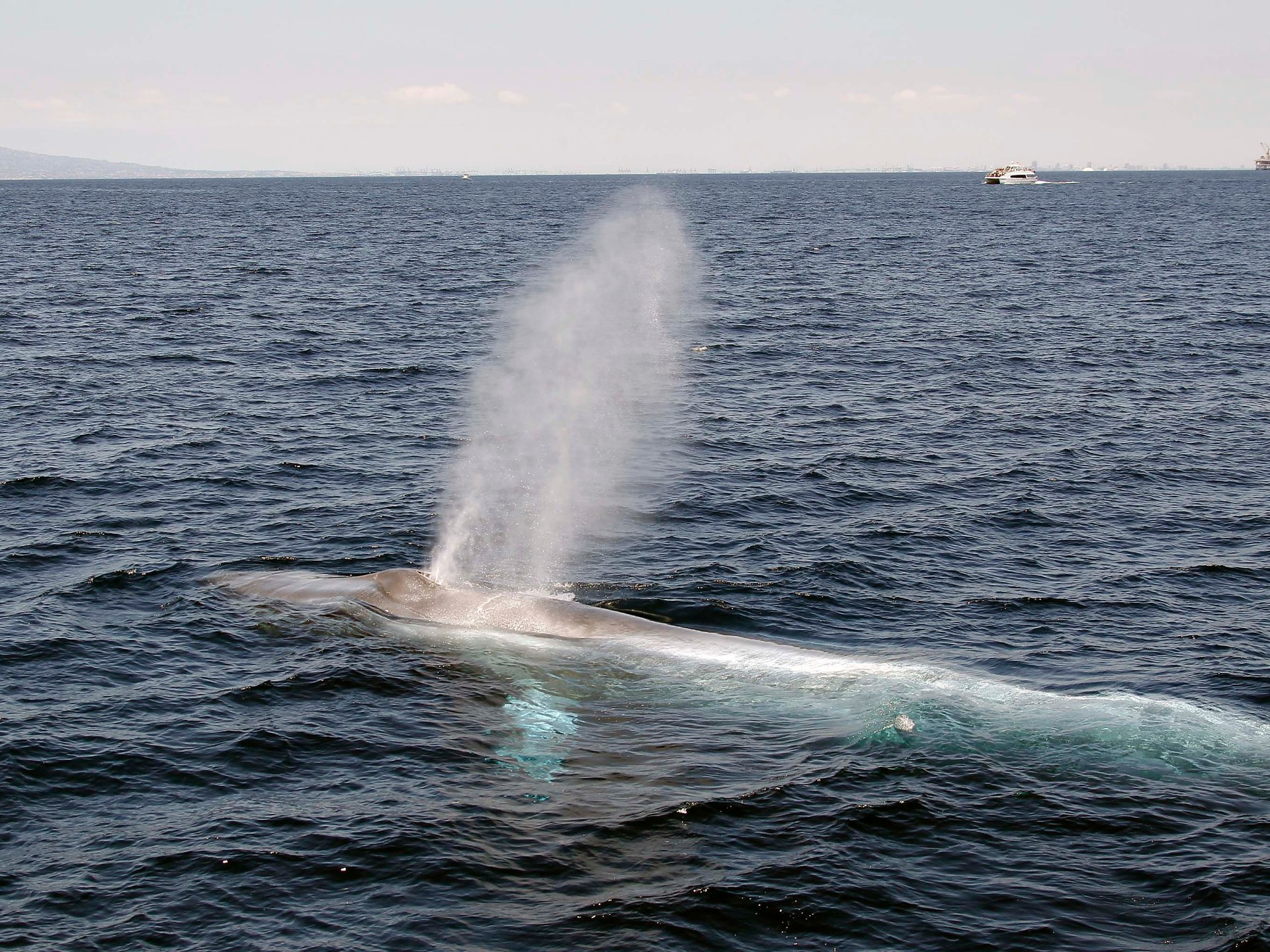
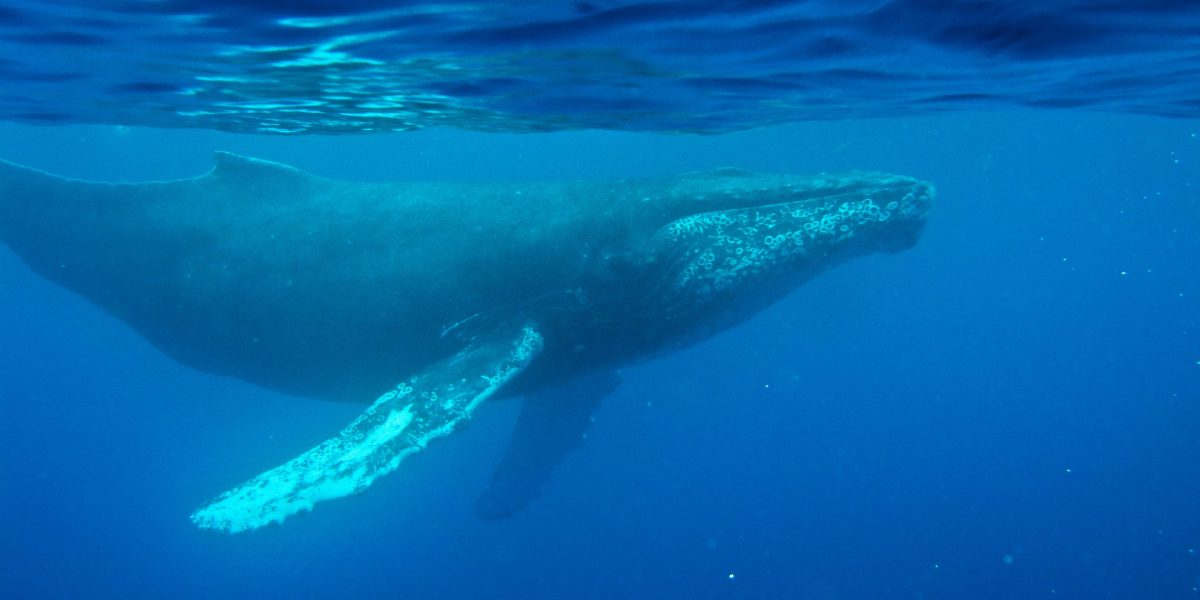
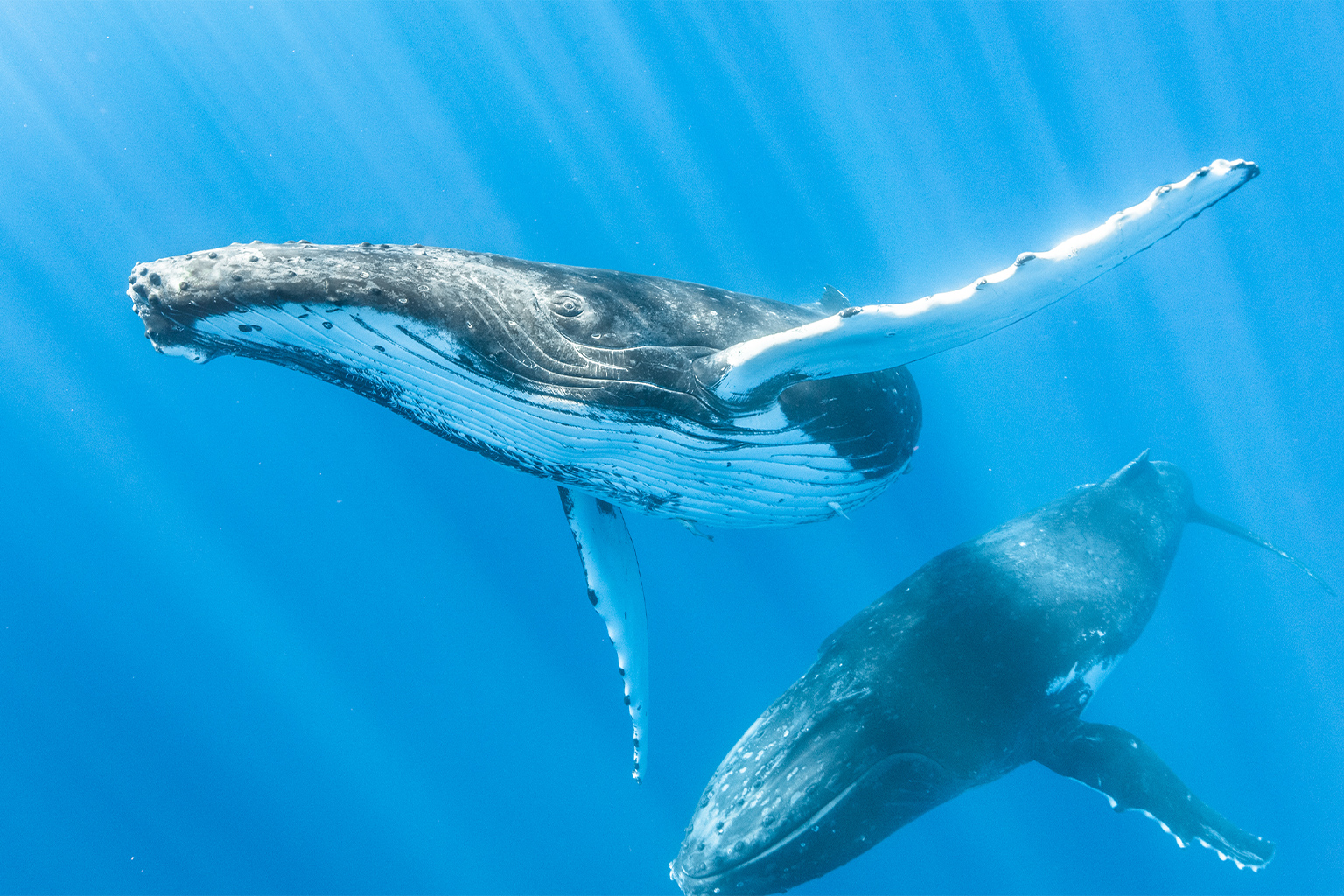
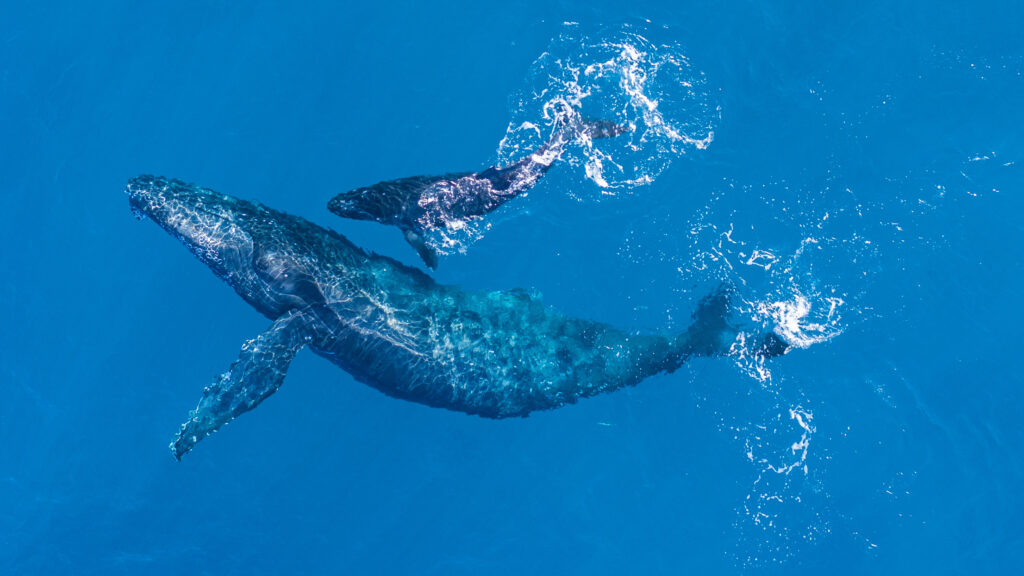
In the deep oceans, whales produce groans, snorts, and howls so powerful they can travel hundreds of miles, yet so intricate they form music-like patterns. What I heard in Jake’s mother that day was a whale song for her dying son, deafening cries melted into globs of sound, so tender, yet with the ferocity to reverberate for miles. Poetry of some sort.
Every medical trainee has an introduction to death. This was mine.