view more
AUDIO of the whale songs
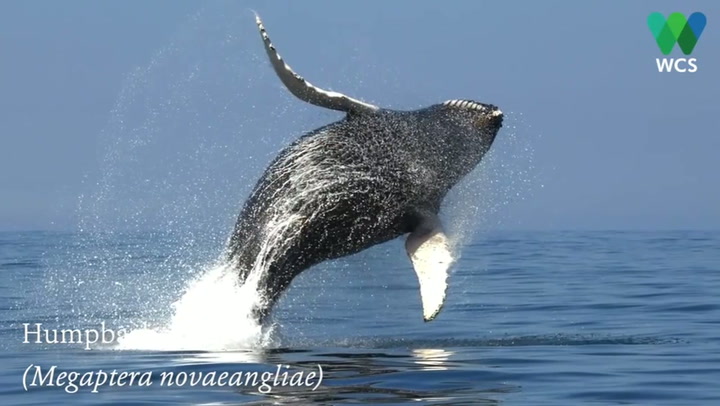
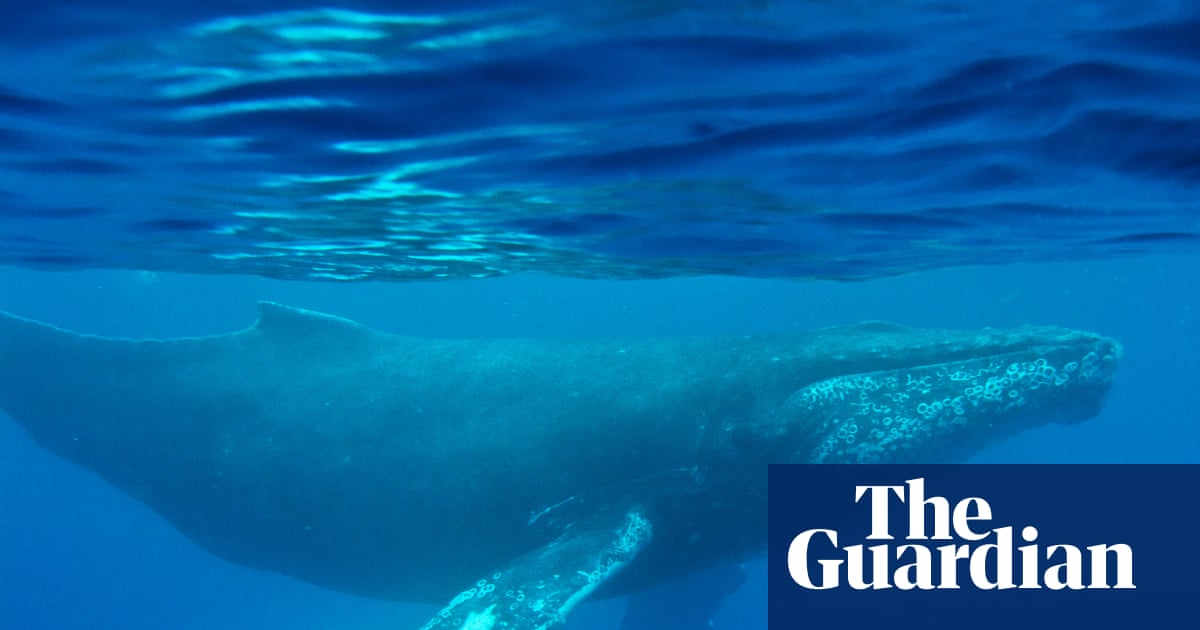
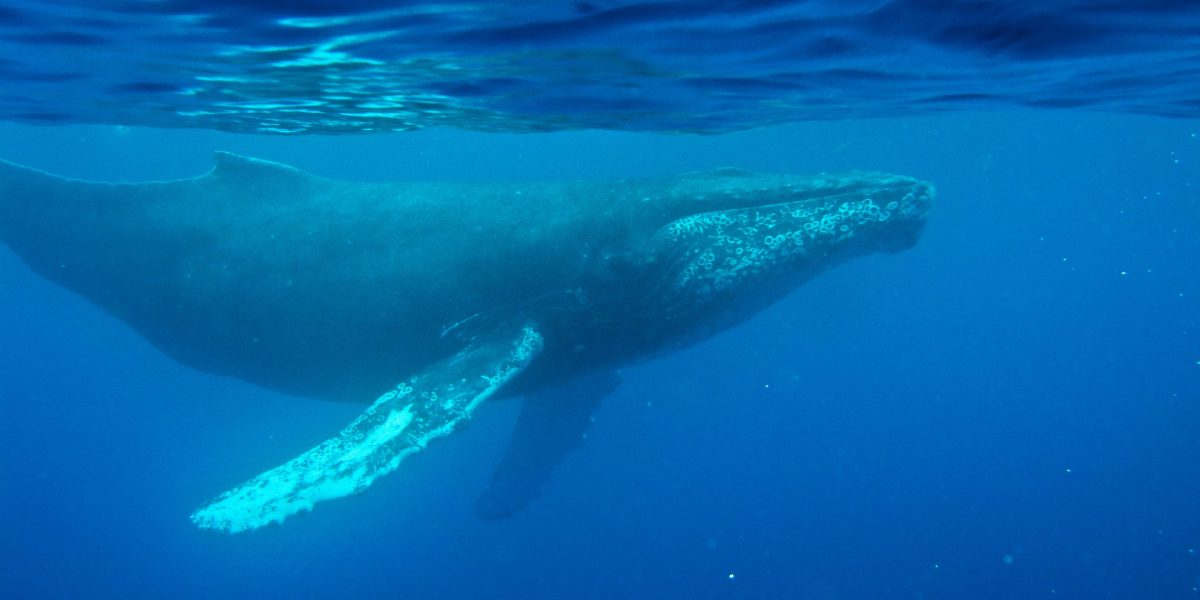
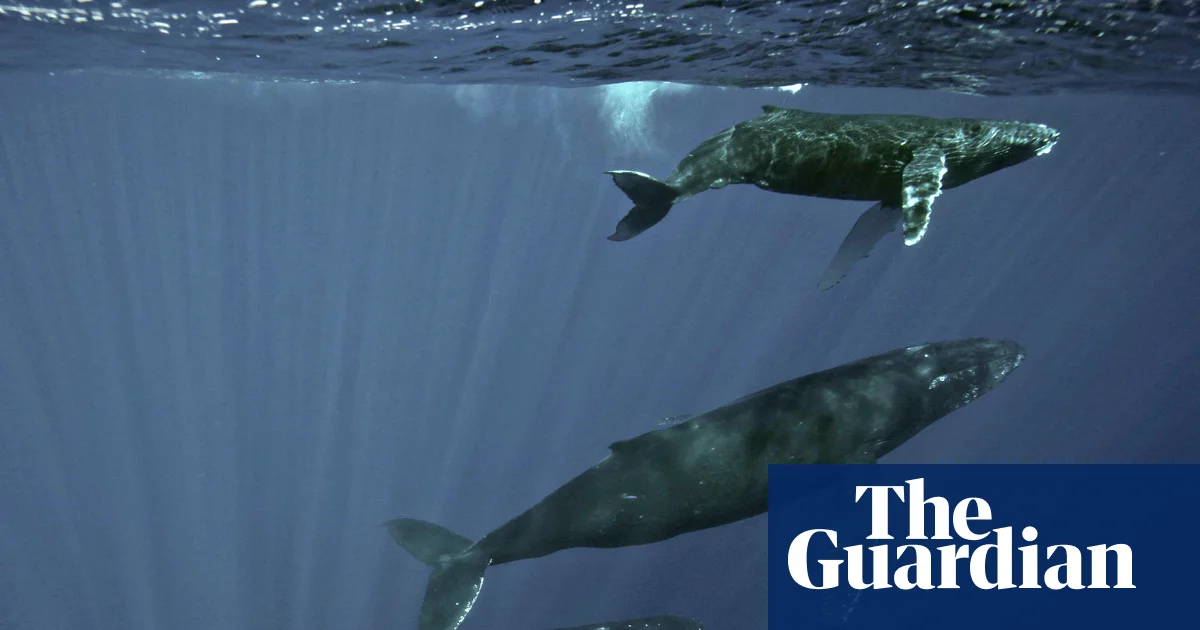
For male humpback whales, singing is serious business. Their haunting, complex songs can last for hours and travel for miles underwater, playing a central role in reproduction during the winter breeding season. But despite decades of research into what these songs sound like, scientists have had far less insight into what the whales are physically doing while they sing. Understanding that connection could reveal how singing affects a whale’s energy use, oxygen management and vulnerability to underwater noise and vessel strikes.
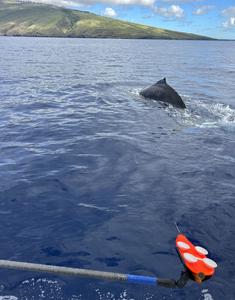
A new study by Julia Zeh, a Ph.D. graduate in Syracuse University's College of Arts and Sciences (A&S) and member of biology professor Susan Parks' Bioacoustics and Behavioral Ecology Lab, reveals a previously unknown link between the structure of a humpback whale's song and the whale's movement through the water. Published in Current Biology[DB1] , the research shows that specific song themes are tied to specific parts of a dive, offering a new window into the biology and evolution of one of the animal kingdom's most elaborate acoustic displays.
Eavesdropping on a Whale's Playlist