Insider Brief
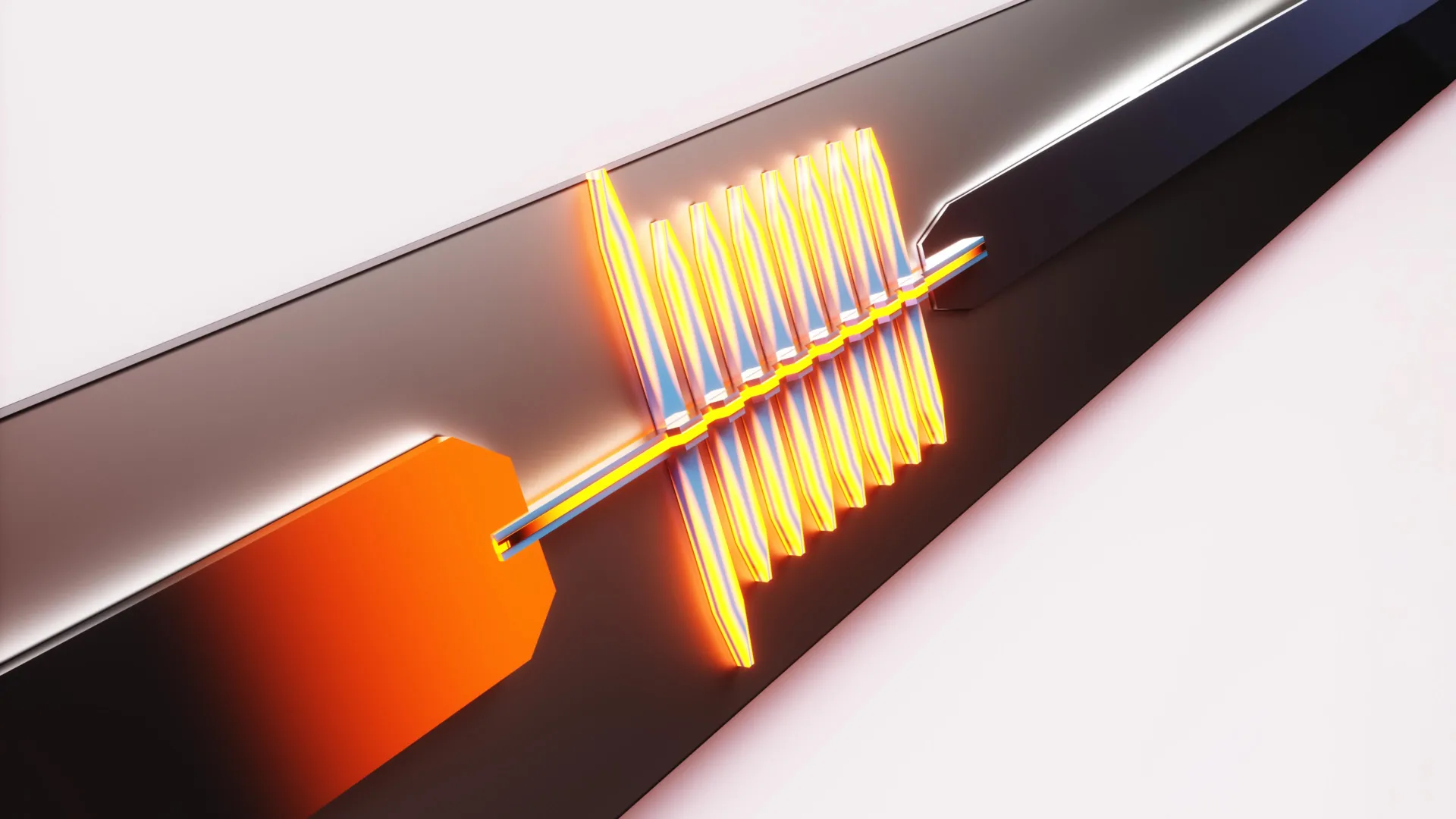
NIST researchers developed a new superconducting single-photon detector architecture that uses wires more than 100 times wider than conventional devices while improving current flow and sharply reducing false signals.
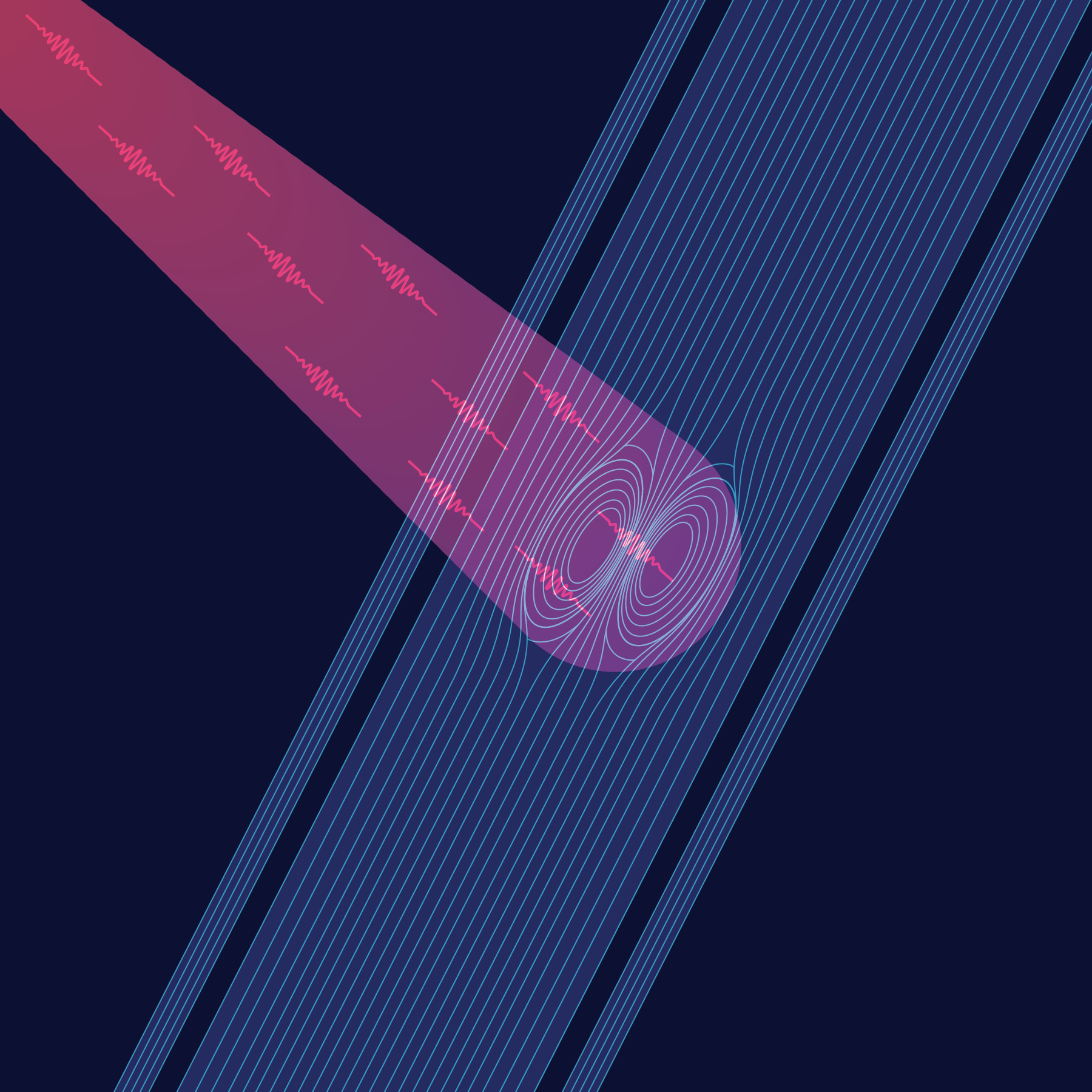
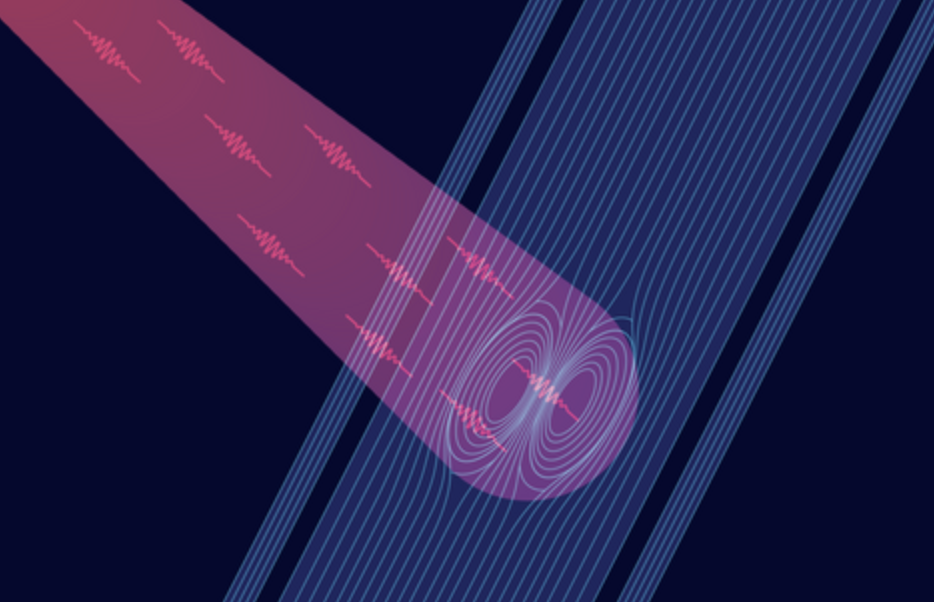
The design uses superconducting “rails” to redistribute electrical current across the detector, allowing wider wires to operate closer to their intrinsic performance limits while remaining sensitive to low-energy photons.
The researchers reported a billionfold reduction in dark counts, though further testing is needed to determine whether the wider detectors can match the roughly 98% detection efficiency of nanoscale devices.
PRESS RELEASE — Our everyday life is flooded with photons, the quantum building blocks of light. For cutting-edge technology, from quantum computing to deep-tissue imaging, detecting every single photon counts.