When I read that a new scientific study had shown impacts on the brains of those watching short form videos I was delighted. As someone who doesn’t have a television, doesn’t let my daughter use any screens and refuses to watch videos – I always ask friends, ‘is there a transcript you can send me?’ – I felt vindicated. Perhaps now I could crow I told you so, videos are bad to everyone I know.
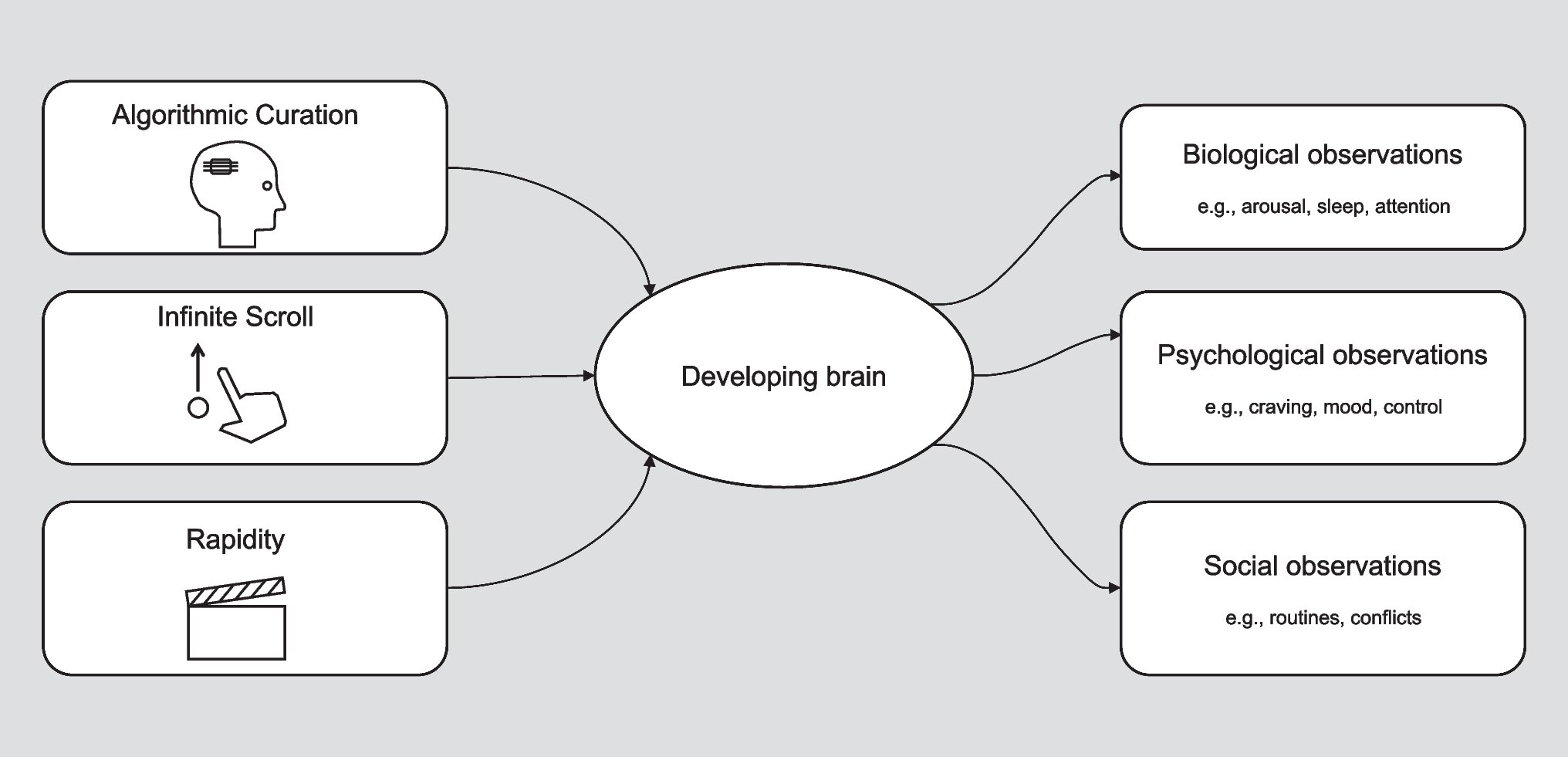
Participants were shown short videos they liked they ‘exhibited significant deactivation’ in parts of their brains responsible for ‘cognitive control’ – demonstrating a mechanism which might mean that short-video consumption makes people prefer instant gratification and lowers their self-control.
Is this backed up by other studies? Almost all of the research on short videos and ‘short video addiction’ (SVA) has been published since 2020. This, of course, is because short form video is a very new thing. The modern TikTok app has only existed since 2018, with Instagram Reels and YouTube Shorts arriving a couple of years later. It also means that a substantial portion of the research into the emotional and mental impacts of short-video usage took place during the pandemic, a time which I’m sure we all agree was abnormal. Another limitation of the research is that the majority of it seems to have been conducted with Chinese university students.