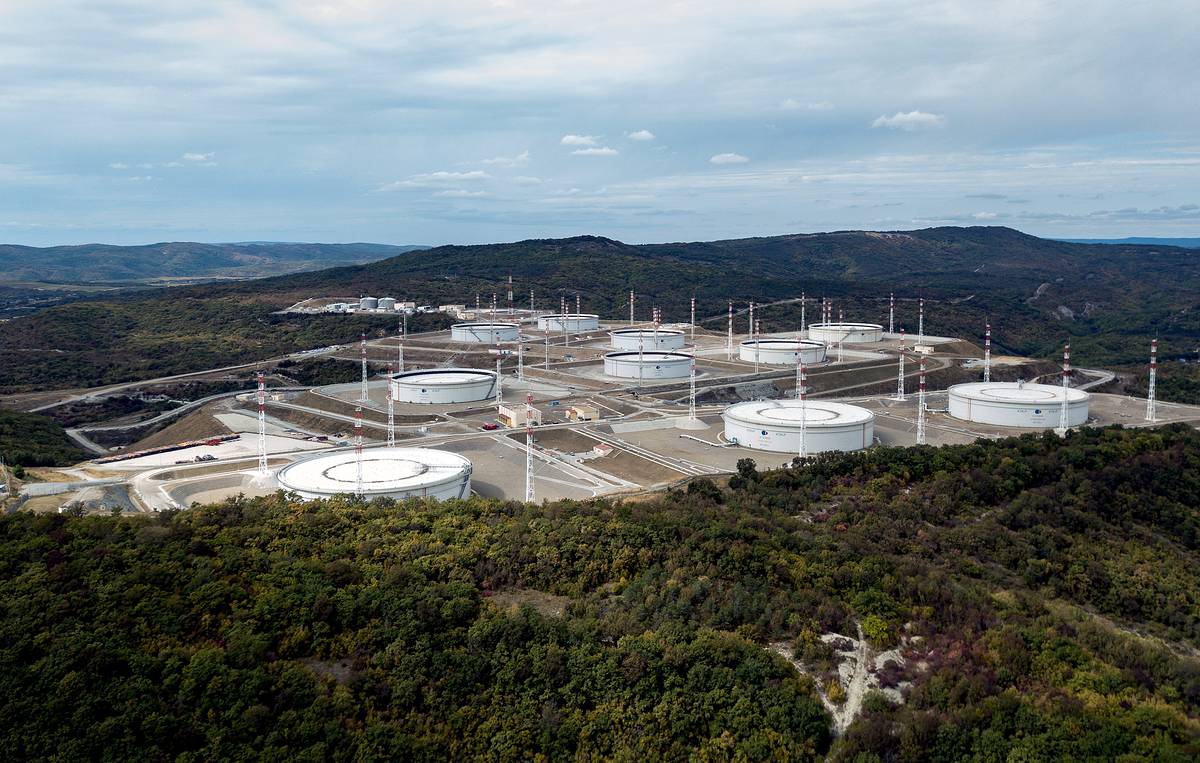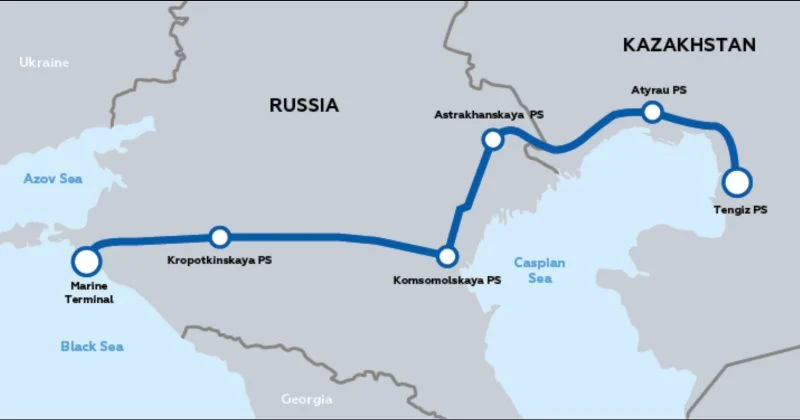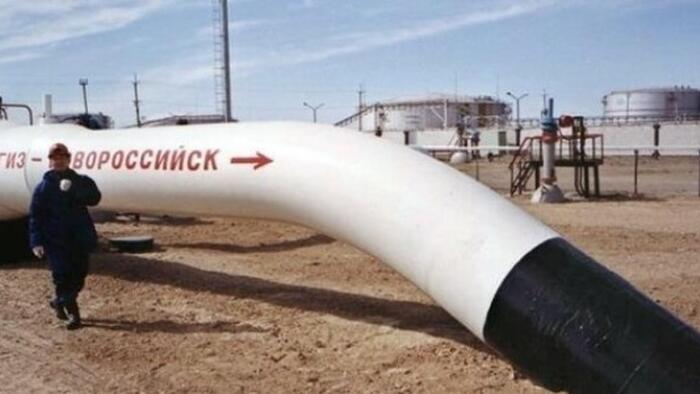
Kazakhstan’s energy ministry has announced adjustments to its oil production plan in response to recent attacks on the Caspian Pipeline Consortium (CPC). The CPC pipeline is a critical export route for Kazakhstan, handling over 80% of the nation’s oil exports. Recent disruptions at its Black Sea terminal have previously led to temporary production cuts. This latest revision in Kazakhstan’s production strategy follows a series of interruptions impacting the pipeline’s capacity, underscoring the region’s vulnerability to geopolitical tensions and infrastructure risks.
Markets monitoring crude oil all-time high predictions have noted this development as potentially significant. The announcement is seen as indicative of potential supply disruptions, contributing to a shift in market expectations. While the likelihood of crude oil reaching a new all-time high by September 30 remains low, currently priced at 2.1% YES, the longer-term outlook towards December 31 shows increased anticipation, with a 12.5% YES probability.
The context of Kazakhstan’s adjustments comes amid broader concerns over global oil supply dynamics. Key factors influencing market sentiment include geopolitical unrest, OPEC’s production decisions, and fluctuating global demand. These elements collectively shape the market’s assessment of potential oil price movements in the near to medium term.