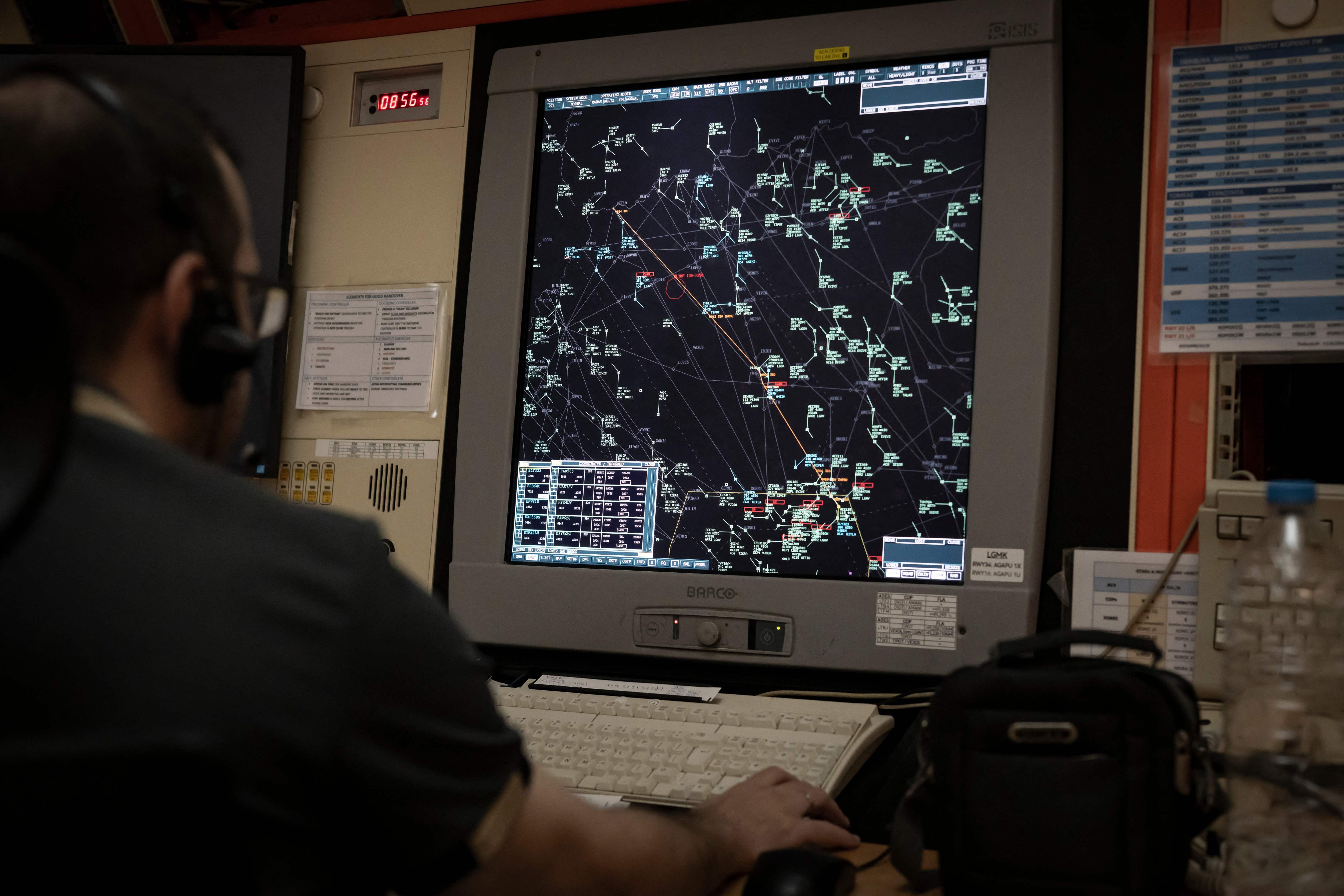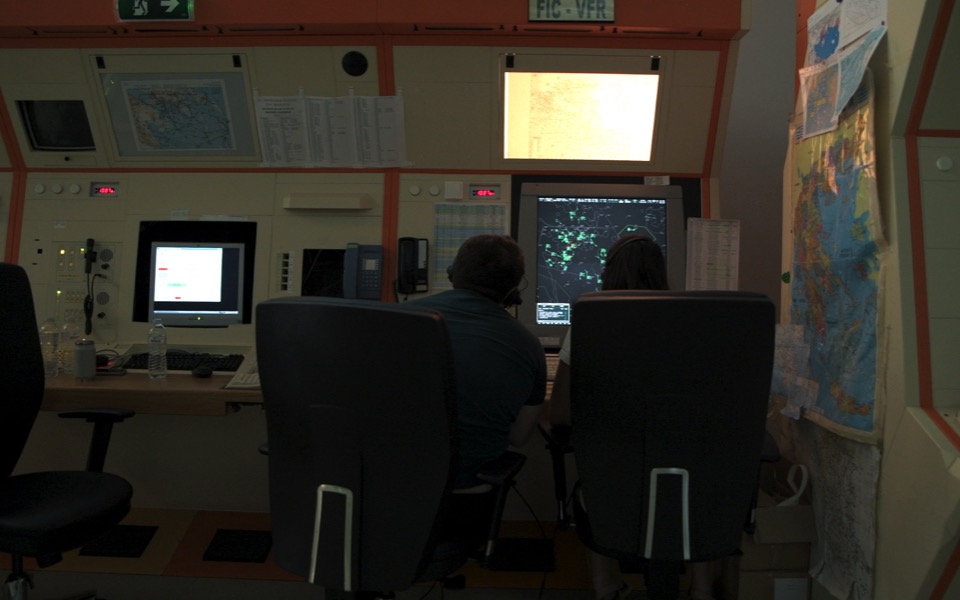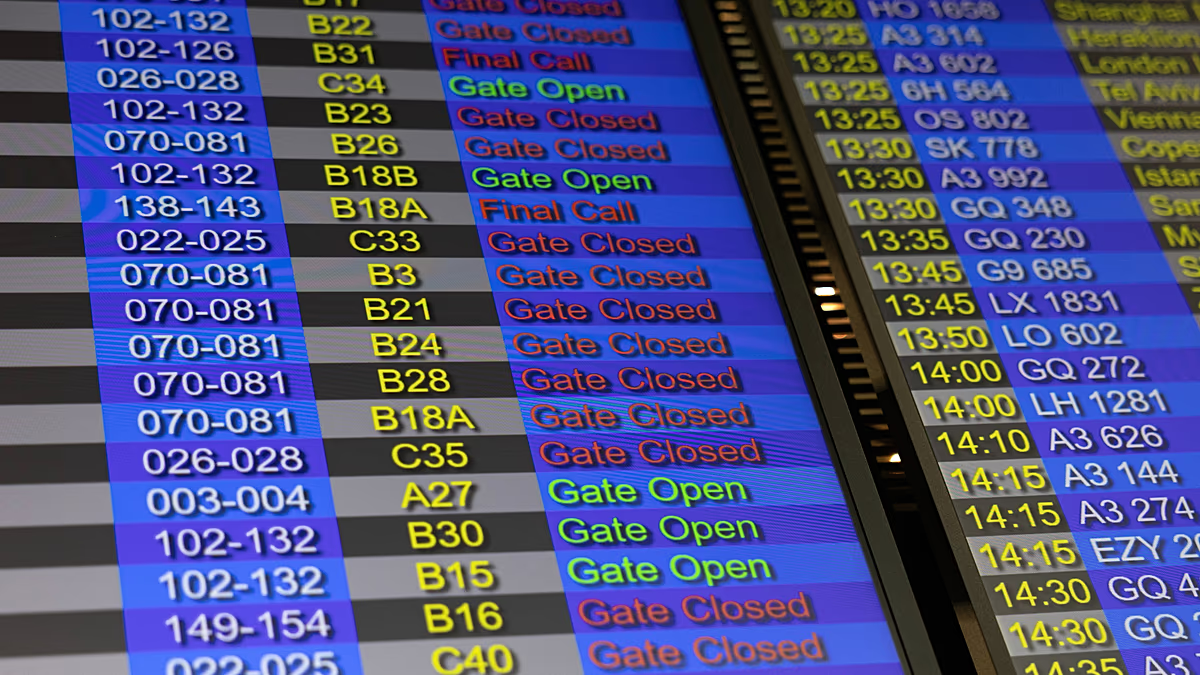
On the screens at the Control Centre in Athens, the symbols representing aircraft form an ever denser network. At the height of the summer season, air traffic controllers are called on to manage thousands of flights in Greek skies that seem to be reaching the limits of their capacity.
Olga Toki, vice-president of the Hellenic Air Traffic Controllers Association, paints a picture of intense strain: Traffic is so heavy, she says, that at certain times it is hard to find any additional space for new aircraft.
The figures illustrate the scale of the burden. According to the Hellenic Civil Aviation Authority, in low-demand months, Greek airports usually handle around 1,000 to 1,500 flights a day. In the first week of July, however, the daily average soared to 2,700 flights.
The picture is similar across the wider region. Eurocontrol estimates that air traffic in south-eastern Europe, which includes Greek airspace, is about 40% higher than in 2019.
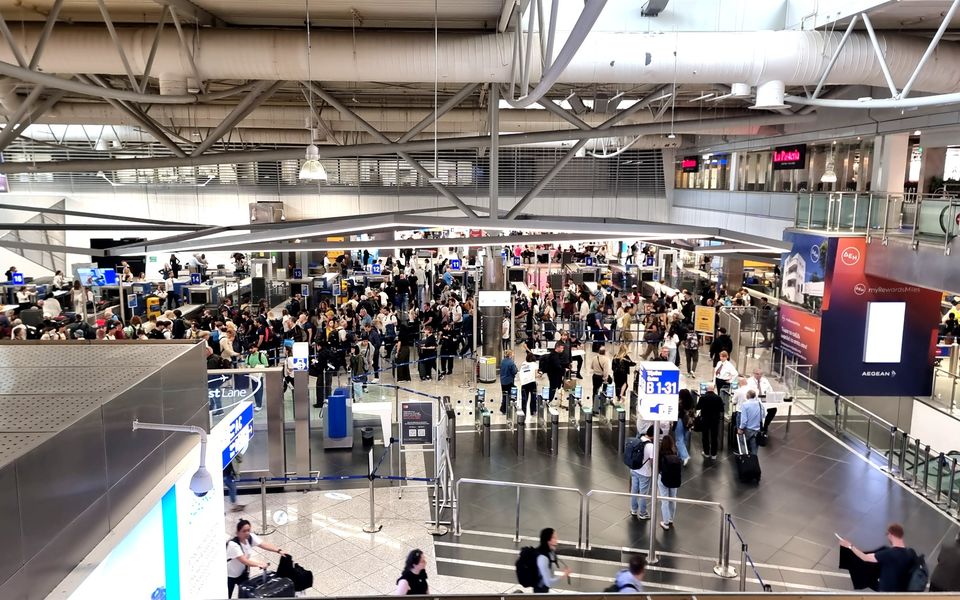
The increase goes hand in hand with the spectacular rebound of Greek tourism. Visitor arrivals reached 38 million last year, surpassing the previous record of 2019 by 23%, in a country of around 10 million inhabitants.