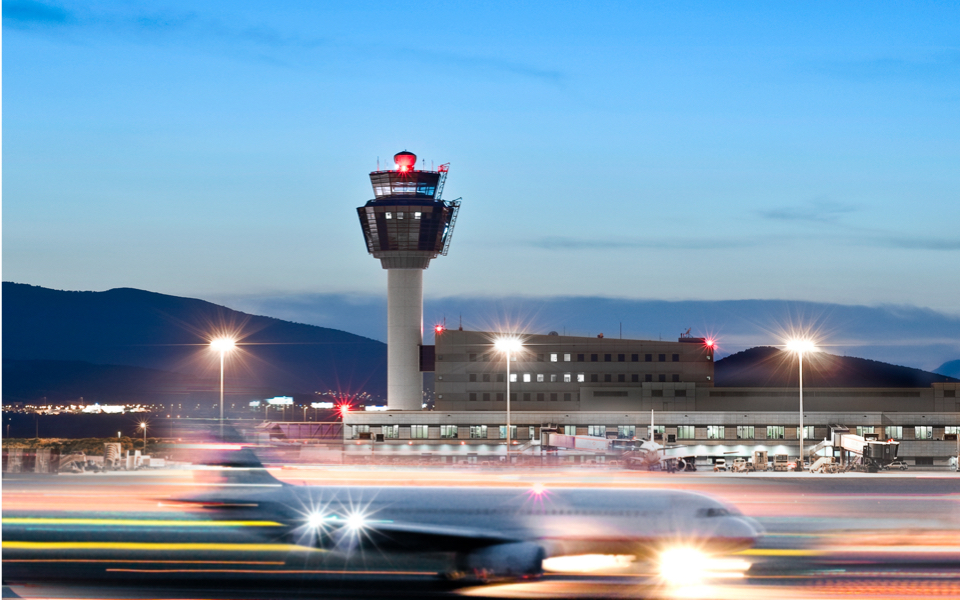
A few kilometers from the center of Athens, behind security doors, lies a space that most passengers will never see. And yet, every aircraft that takes off, lands or flies in Greek airspace is overseen, for part of its route, by the Athens and Macedonia Area Control Centers Division, housed in an old control tower of the former airport in Elliniko, southern Athens.
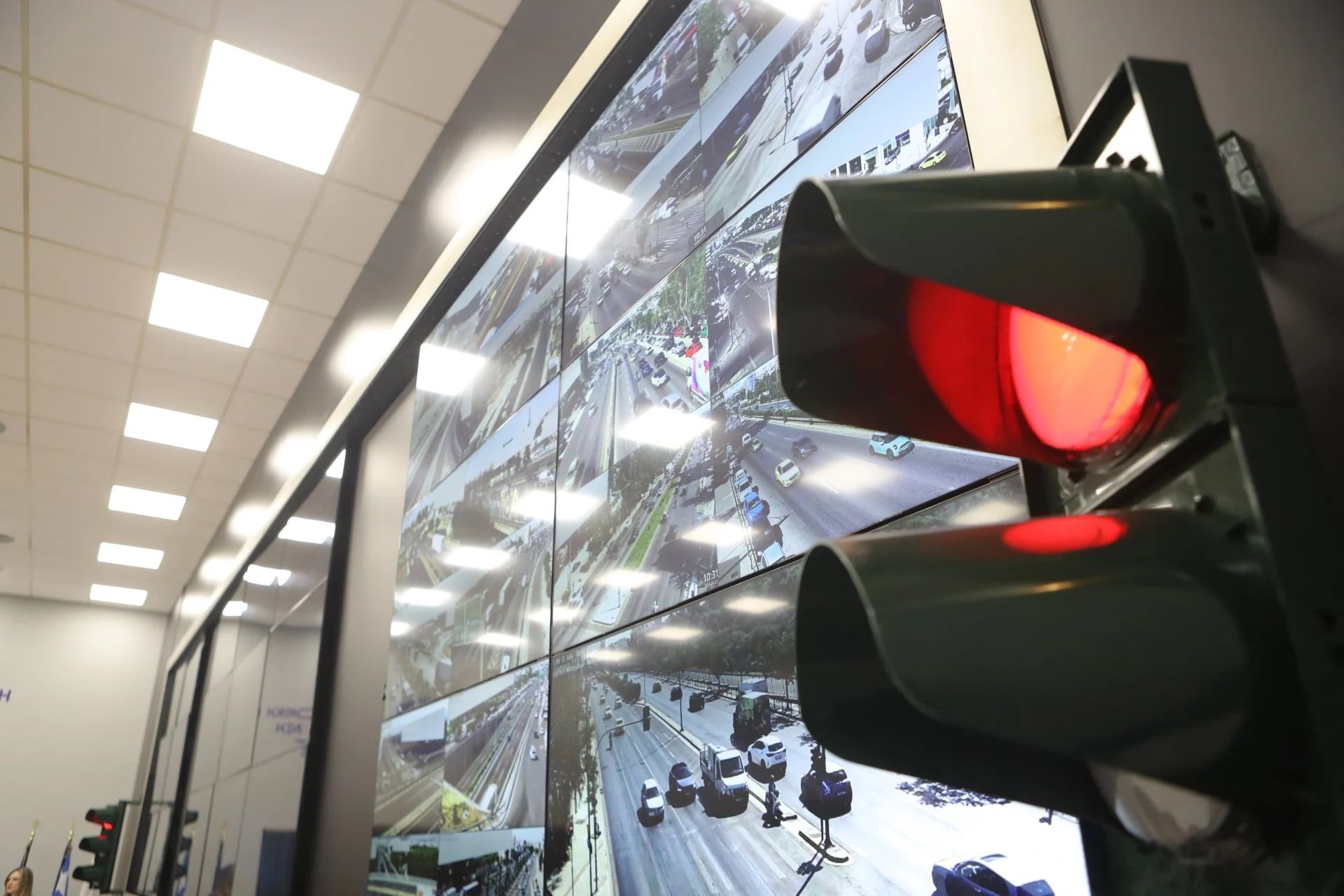
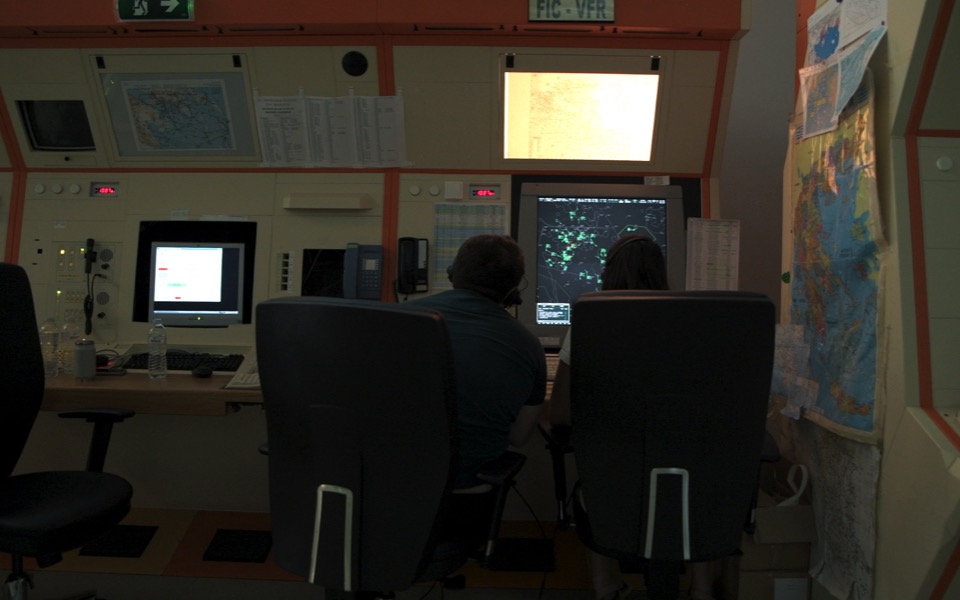
The hall is large and dimly lit, making one feel like the sense of outside time is lost. The scant light comes from computer screens that line the walls of the large room, leaving an empty space in the middle. In front of every screen sit the air traffic controllers, constantly monitoring the movement of airplanes in the Greek skies.
In this environment, only their steady voices are heard. They wear headsets and communicate in English with the aircraft pilots, using coded phrases unknown to the general public. In this exchange of words, the only familiar element for an outside observer are the names of the airlines. Air traffic controllers speak in low voices, but behind each sentence, one can discern the precision and confidence that their job requires. Every direction given follows a strict procedure, every decision is made within seconds.